Packing for Namibia can be surprisingly tricky. You might start your morning wrapped in a warm jacket, spend the afternoon under strong desert sunshine and finish the day on the cool Atlantic coast. Whether you're visiting Etosha, Sossusvlei or Swakopmund, this practical packing guide will help you bring what you need without overpacking.
At a glance
- Clothing: Lightweight layers, comfortable trousers and breathable tops
- Warm clothing: A fleece or jacket for early mornings and evenings
- Footwear: Comfortable closed shoes and sandals
- Sun protection: Sunscreen, sunglasses and a wide-brimmed hat
- Safari essentials: Binoculars, camera, water bottle and day bag
- Self-drive essentials: Offline maps, charging cables and drinking water
- Seasonal tip: Pack for temperature changes, not just the daytime forecast
What should you pack for a Namibia safari?
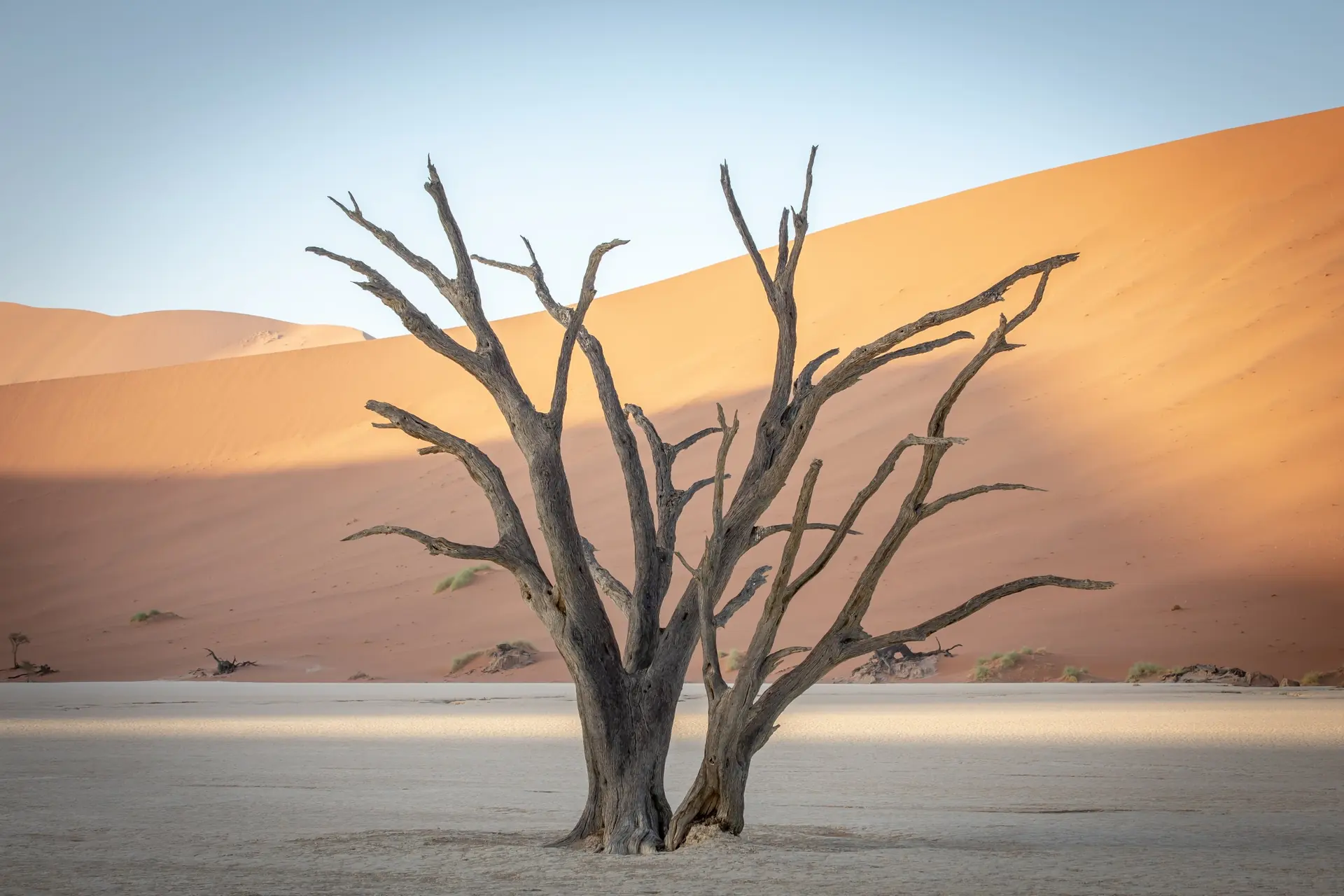
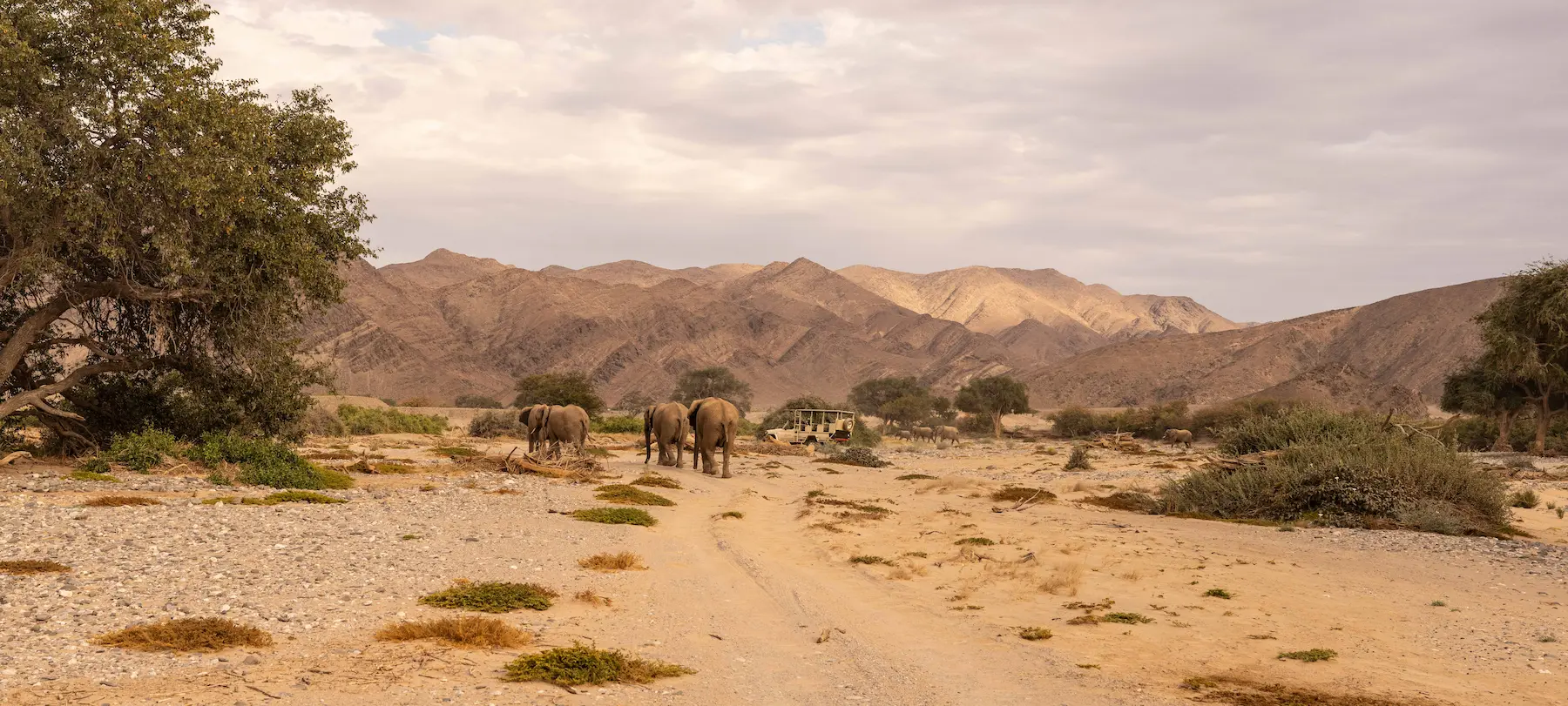
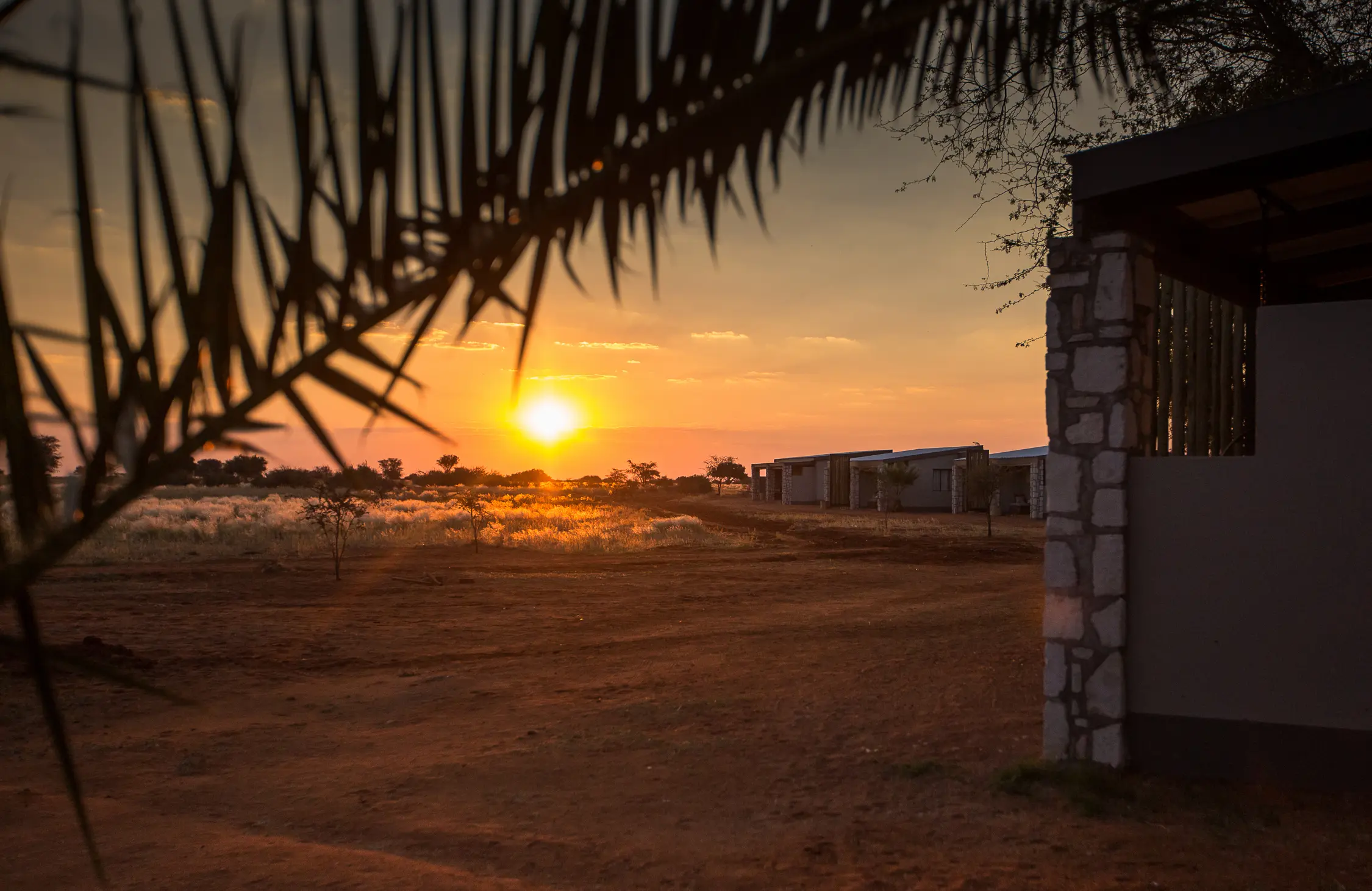
Namibia is a country of contrasts. One day you might be watching elephants at a waterhole in Etosha, and a few days later you're walking across the white clay pan of Deadvlei or exploring the Atlantic coastline.
These places have different weather conditions, so packing for Namibia requires a little more thought than simply filling your suitcase with summer clothes.
The good news? You don't need an enormous amount of luggage.
A few versatile outfits, comfortable shoes and the right travel essentials will cover most situations.
Here's what we recommend bringing for your Namibia holiday.
1. Clothing for a Namibia safari
The most useful thing you can pack is clothing that can be layered.
Temperatures can change significantly between early morning, midday and evening, particularly during Namibia's winter months.
Lightweight shirts and tops
Pack breathable T-shirts, lightweight shirts and comfortable tops for daytime activities.
Cotton and quick-drying fabrics are practical choices.
Long-sleeved shirts are especially useful because they provide additional protection from the sun.
Comfortable trousers and shorts
Lightweight trousers are ideal for game drives, sightseeing and travelling between destinations.
Shorts can be comfortable during warmer weather, while long trousers offer more protection from sun, dust and insects.
A warm jacket or fleece
This is one item we strongly recommend, even if you're visiting Namibia during a sunny period.
Early morning game drives can be cold, and desert temperatures may drop sharply after sunset.
A fleece, warm jacket or lightweight insulated layer can make a big difference.
What colours should you wear?
Neutral colours such as beige, khaki, brown and olive green are practical for safari activities.
You don't need an entirely new safari wardrobe, though. Comfortable everyday clothing is usually suitable for most sightseeing and lodge activities.
For guided walking activities, follow any clothing advice provided by your guide.
2. The best shoes to bring to Namibia
You don't need heavy hiking boots for every Namibia itinerary.
Your footwear should match the activities you're planning.
Comfortable walking shoes
A pair of well-fitting closed shoes is useful for sightseeing, short walks and exploring places such as Sesriem Canyon.
Choose shoes you've already worn rather than bringing a brand-new pair.
Sandals or casual shoes
Sandals are useful around your lodge, at the coast or during relaxed evenings.
Hiking shoes
If you're planning longer hikes or more demanding walking activities, bring footwear with suitable grip and support.
For a typical Etosha, Swakopmund and Sossusvlei itinerary, comfortable walking shoes are often sufficient.
3. What to pack for Etosha National Park
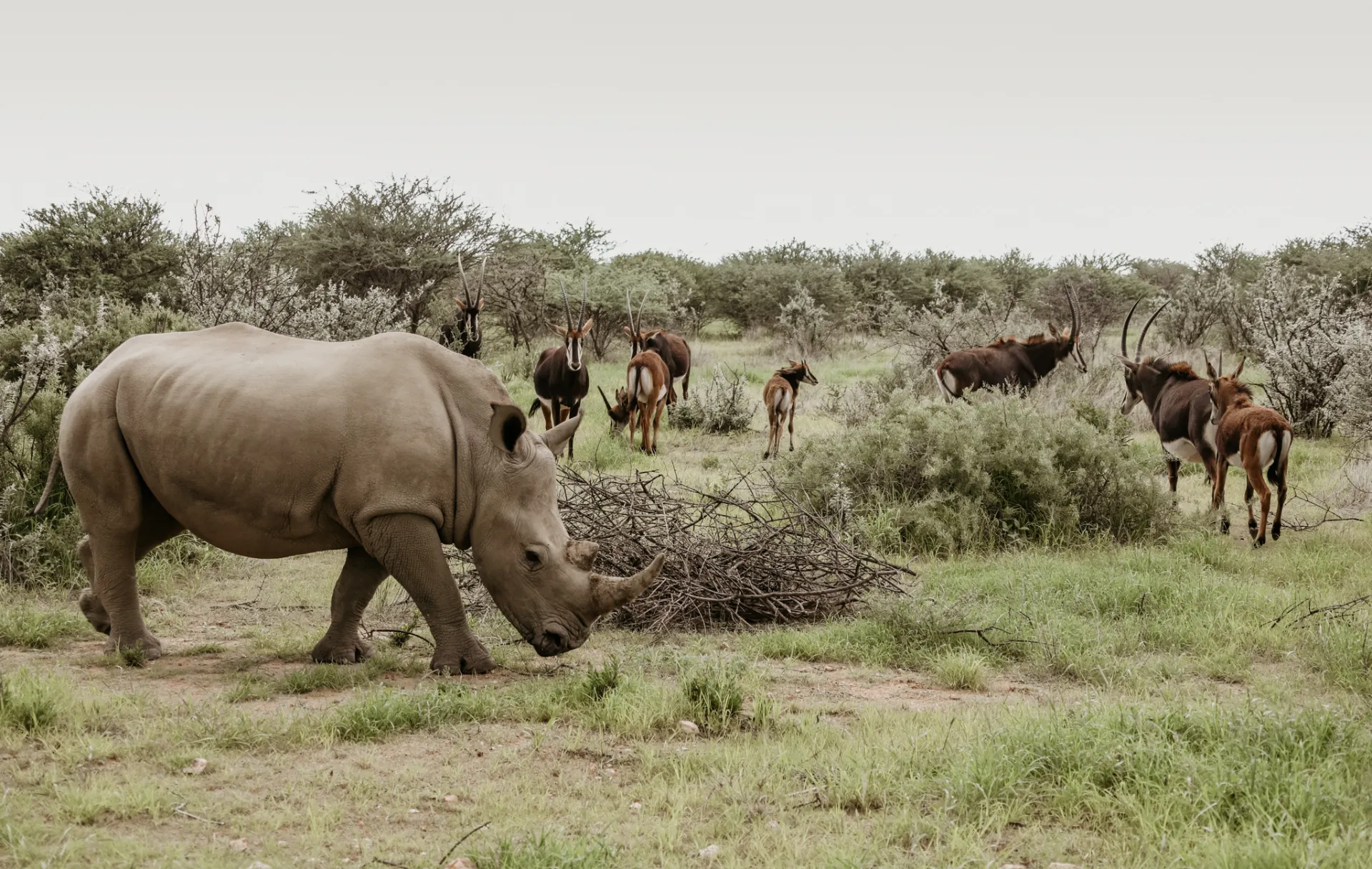
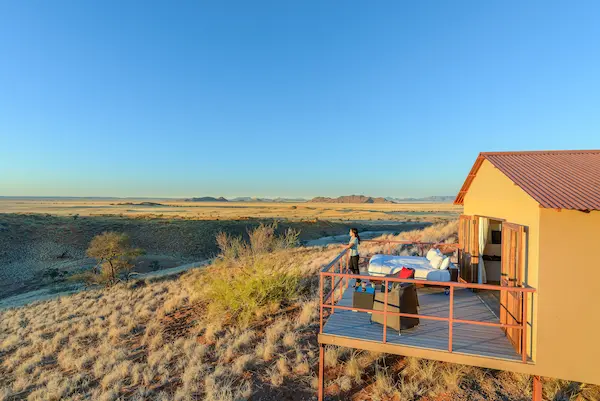
Etosha is one of Namibia's most popular wildlife destinations.
Many visitors spend several hours on game drives, so comfort matters.
Essential items for Etosha
- Binoculars for spotting wildlife
- Camera or phone with enough storage
- Warm layer for early morning drives
- Sunhat and sunglasses
- Sunscreen
- Refillable water bottle
- Comfortable clothing
- Small day bag
Why binoculars are worth bringing
Wildlife isn't always close to the vehicle.
Binoculars allow you to observe animals at distant waterholes and appreciate details you might otherwise miss.
You don't need professional equipment to enjoy Etosha, but binoculars can improve the experience considerably.
Our advice
Keep your most important items in a small bag that stays with you during game drives.
You don't want to unpack your entire suitcase every time you need sunscreen or your camera.
4. What to pack for Sossusvlei and Deadvlei
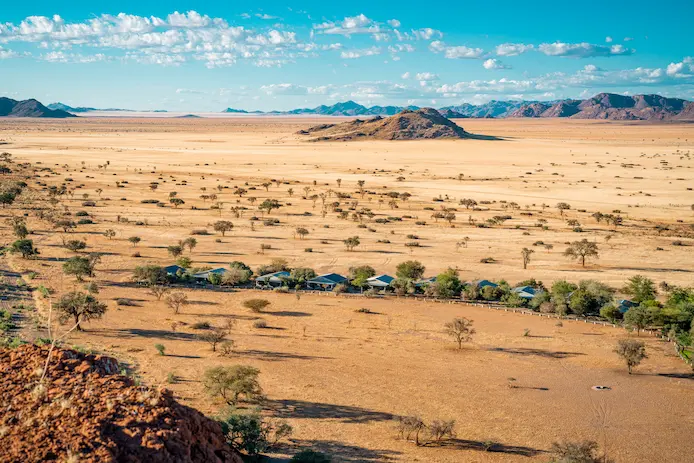
Sossusvlei is one of Namibia's most extraordinary destinations.
The towering dunes, desert sunshine and sandy walking conditions require a slightly different approach.
Bring plenty of sun protection
A wide-brimmed hat, sunglasses and sunscreen are particularly important.
The sun can be intense, and there is limited shade in many parts of the desert.
Wear comfortable walking shoes
Walking through sand can be tiring.
Choose footwear that feels secure and comfortable, particularly if you're planning to climb Dune 45 or walk to Deadvlei.
Carry enough drinking water
Desert excursions can involve walking in exposed conditions.
Carry drinking water and follow your guide's advice about the amount you'll need.
Protect your camera
Fine sand can get into camera equipment.
Keep your camera protected when you're not using it, and avoid changing lenses unnecessarily in windy conditions.
Don't forget a warm layer
Many Sossusvlei excursions begin early.
During winter, the desert can feel surprisingly cold before sunrise.
5. What to pack for Swakopmund and Walvis Bay
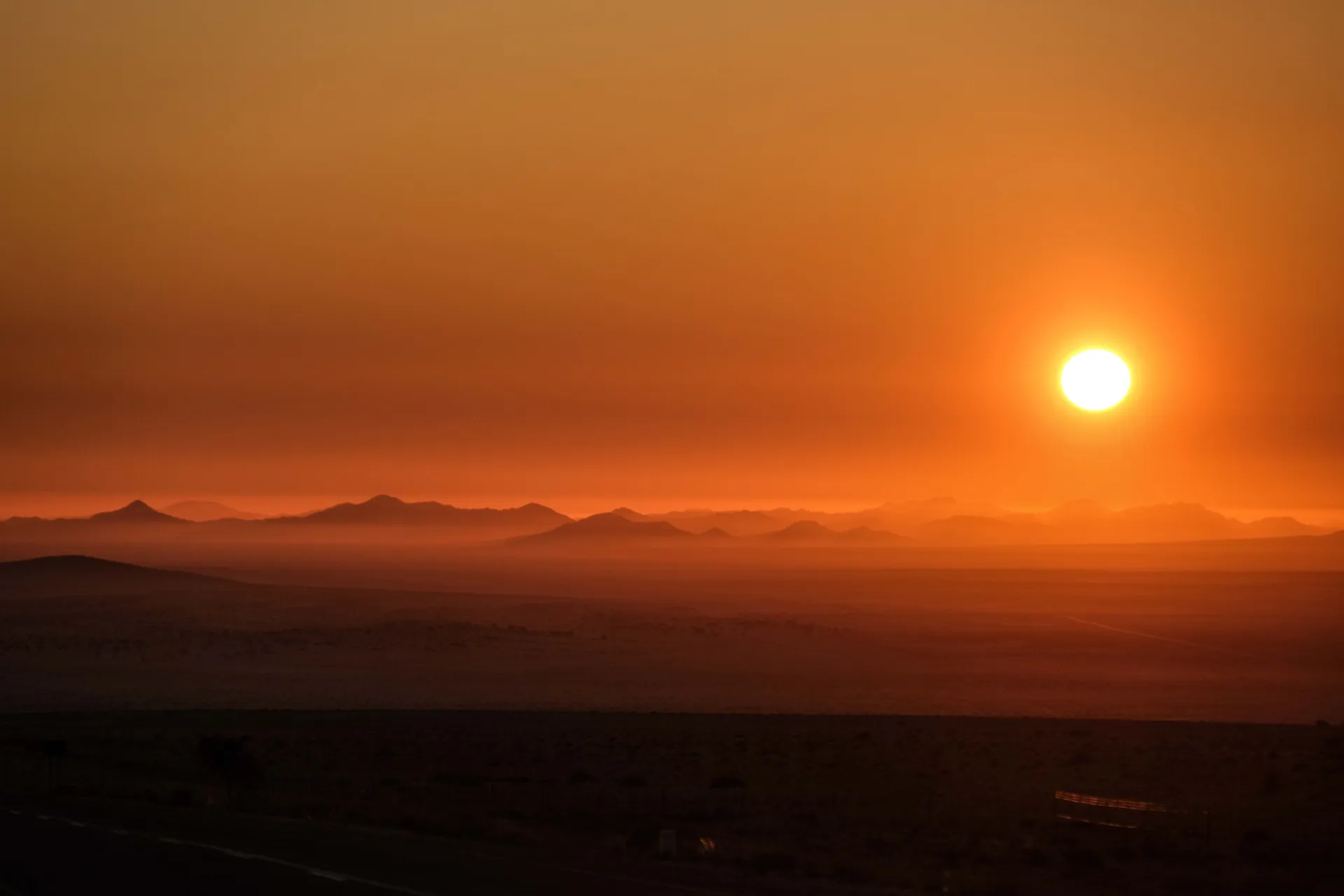
One of the surprises of visiting Namibia is how different the Atlantic coast can feel from the inland desert.
Swakopmund and Walvis Bay often experience cooler temperatures, wind and coastal fog.
Pack a windproof jacket
A lightweight windproof jacket is useful for beachfront walks, boat trips and outdoor excursions.
Bring an extra warm layer
Even when the rest of your itinerary is warm, coastal conditions may feel chilly.
Protect your belongings from sand and spray
If you're joining a marine excursion or visiting the dunes around Sandwich Harbour, consider a protective bag for your phone, camera and other valuables.
Dress for your activities
For quad biking, guided desert excursions or boat trips, follow the operator's specific clothing recommendations.
6. Packing for Namibia in winter: May to August
Namibia's winter months are generally dry across much of the country, but temperatures can be very different from what visitors expect.
Days may be sunny and pleasant, while nights and early mornings can become cold.
This is particularly noticeable in the desert and inland areas.
Winter packing essentials
- Warm jacket or fleece
- Long trousers
- Long-sleeved tops
- Comfortable closed shoes
- Warm sleepwear
- Scarf or beanie for particularly cold mornings
- Lightweight daytime clothing
- Sunscreen and sunglasses
Don't pack only winter clothing.
You may still need lighter outfits during the afternoon.
The key is layering.
7. Packing for Namibia in summer: November to April
Summer in Namibia generally brings warmer conditions, with rainfall possible in many inland regions.
The amount of rain varies by location and year.
Summer packing essentials
- Lightweight, breathable clothing
- Sunhat
- Sunglasses and sunscreen
- Light rain jacket
- Comfortable walking shoes
- Reusable water bottle
- Insect repellent
- A light warm layer for cooler locations
If you're visiting northern Namibia during the rainy season, check the expected weather and road conditions before travelling.
A light rain jacket is useful, but you usually won't need to fill your suitcase with heavy waterproof clothing for a standard sightseeing itinerary.
8. What to pack for Namibia in spring and autumn
September and October can bring increasingly warm daytime temperatures, while March and April may still have some summer rainfall.
Conditions vary across the country.
For these months, a combination of lightweight clothing, sun protection and a warm layer is usually practical.
Check the forecast for each destination shortly before departure.
Remember that Etosha, Windhoek, Swakopmund and Sossusvlei may have very different temperatures on the same day.
9. Essential toiletries and personal items
Some items are easy to forget until you need them.
Toiletries and personal care
- Sunscreen
- Lip balm
- Moisturiser
- Insect repellent
- Personal toiletries
- Hand sanitiser
- Any prescription medication
Namibia's dry air can leave your skin and lips feeling dehydrated, particularly after long days outdoors.
Health and medication
Bring enough of your regular medication for your trip, along with any required prescriptions or documentation.
Ask a qualified travel-health professional about recommended vaccinations and malaria precautions for your specific destinations and travel dates.
Malaria risk is not the same throughout Namibia, so advice should be based on your actual itinerary.
10. Cameras, electronics and charging equipment
Namibia is a wonderful destination for photography.
From Etosha's wildlife to the red dunes of Sossusvlei, you'll probably take more photographs than expected.
Useful electronics
- Camera or smartphone
- Charging cables
- Power bank
- Memory cards
- Spare camera batteries
- Travel plug adapter
- Headphones
- Protective cases
Namibia commonly uses Type D and Type M electrical sockets, with a 230V supply. Confirm your accommodation's socket types and whether your devices support the local voltage before departure.
Photography tip
Carry extra storage if you enjoy taking videos.
Wildlife sightings and desert landscapes can quickly fill your phone or camera memory.
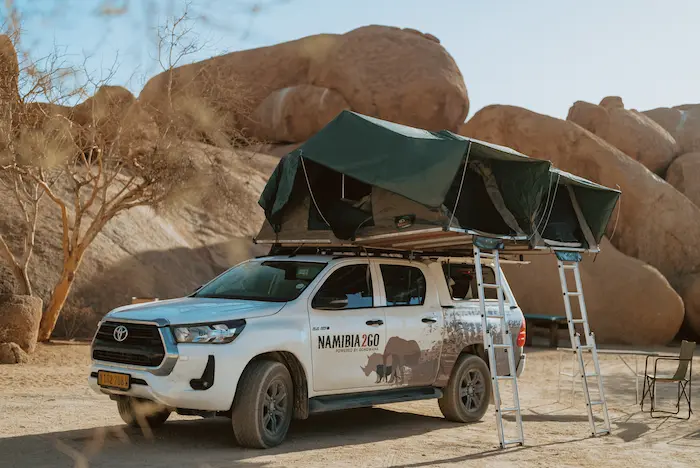
11. What to pack for a Namibia self-drive safari
Self-driving offers wonderful flexibility, but you should be prepared for long distances and remote areas.
Some routes have limited mobile coverage and few services between towns.
Self-drive essentials
- Valid driving licence and any additional documentation required by your rental company
- Offline navigation maps
- Phone charging cable and car charger
- Drinking water
- Snacks for long journeys
- Sun protection
- Emergency contact details
- Vehicle rental documents
- First-aid kit
Before setting off, check your vehicle's tyres, spare wheel and essential equipment.
Your rental company should explain the vehicle's features and any restrictions on the roads you may use.
Why offline maps matter
Mobile reception isn't reliable everywhere.
Download your maps before leaving Windhoek or another major town.
Even with navigation, allow extra time for gravel roads and unexpected stops.
Avoid driving after dark
For a typical Namibia self-drive holiday, plan your journeys so that you arrive before sunset.
Wildlife, livestock, limited lighting and road conditions can make night driving hazardous.
12. What to pack for a guided or shared-shuttle safari
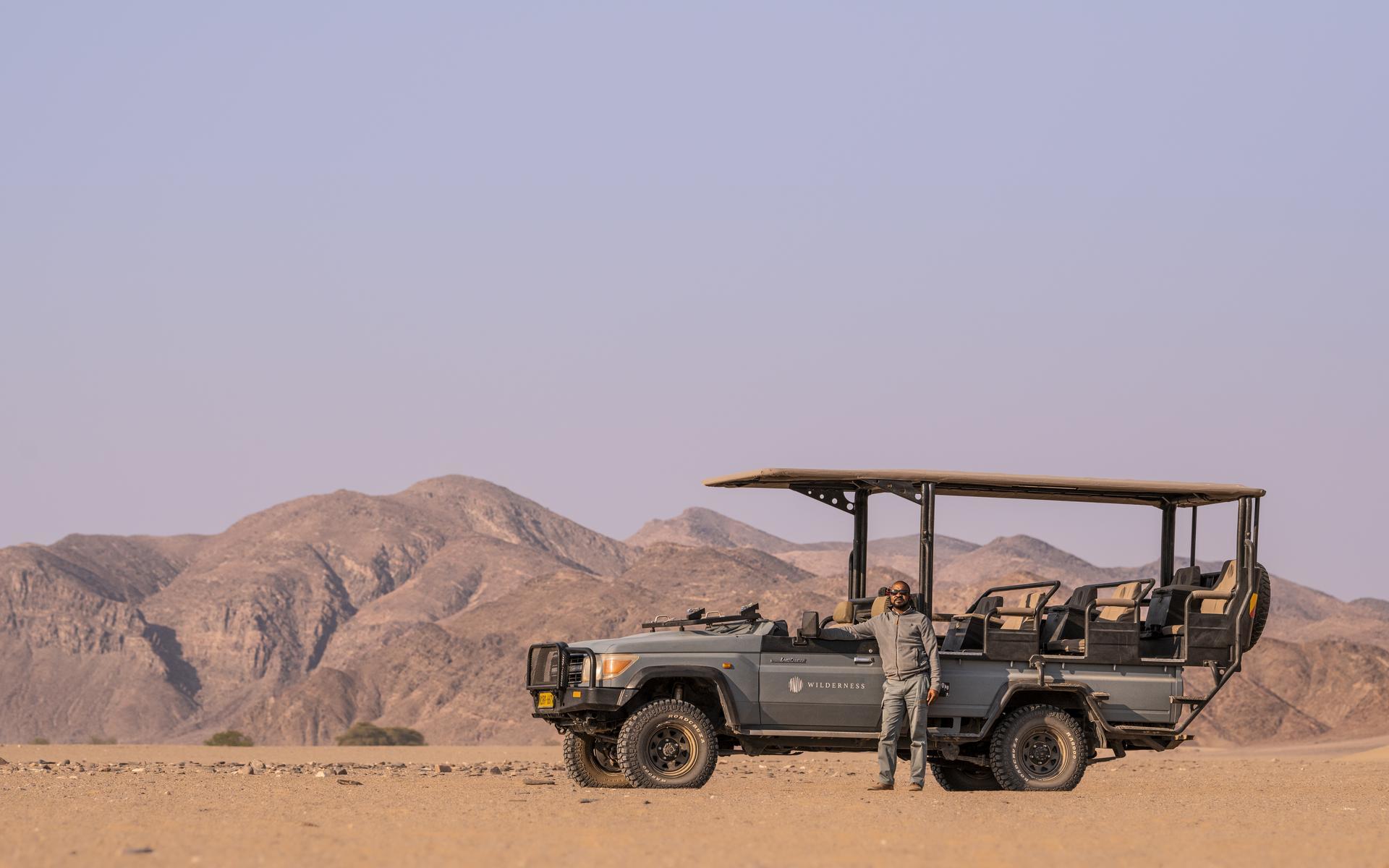
If you're travelling with a guide or using shared transfers, you won't need to worry about vehicle equipment in the same way as a self-drive traveller.
However, you should still pack for long travel days.
Keep a small day bag containing your water bottle, phone, medication, sunscreen and other essentials.
Check luggage limits
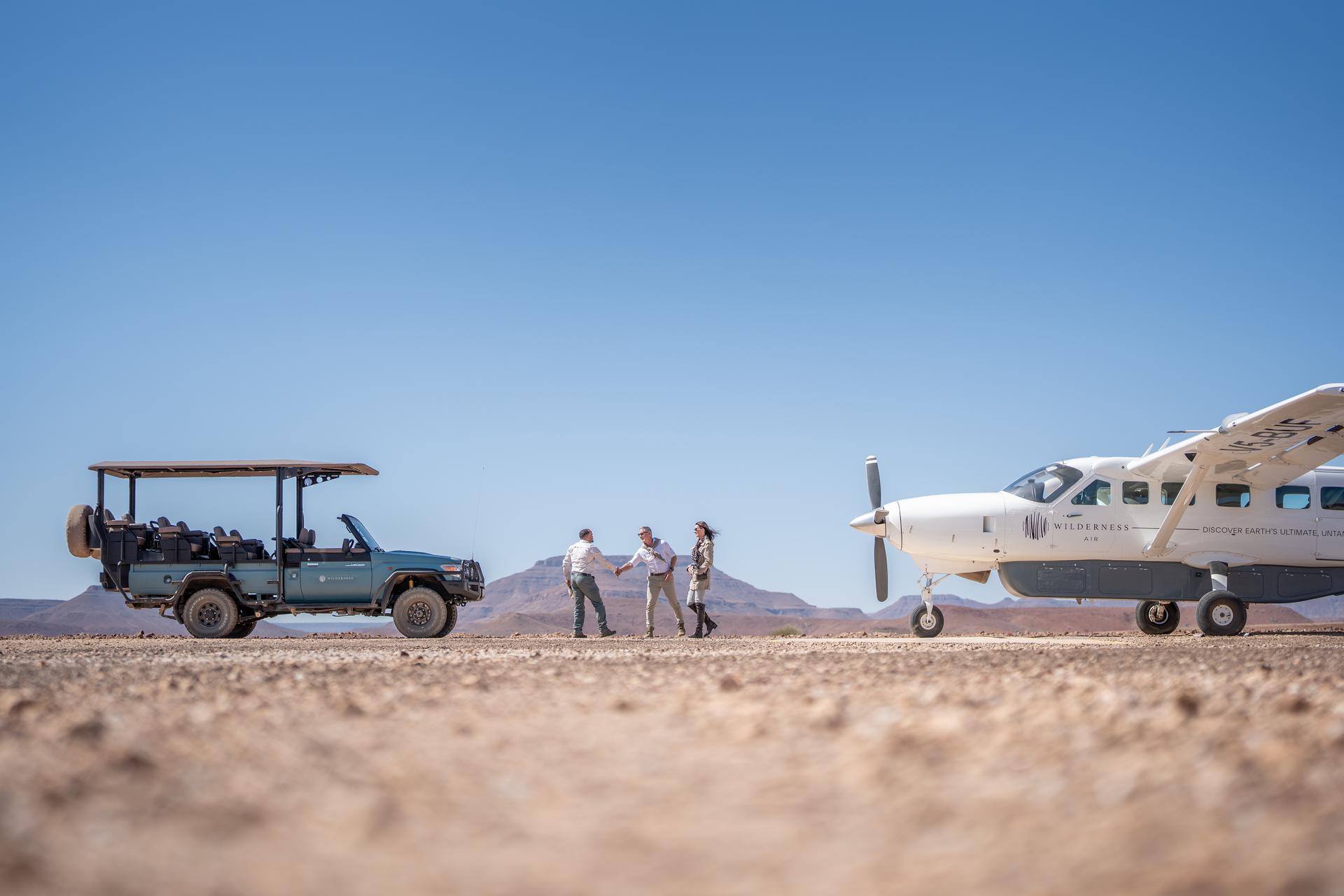
If your itinerary uses shared transport or light-aircraft flights, luggage size and weight restrictions may apply.
Confirm these before departure, especially if you're bringing large suitcases or camera equipment.
13. Important travel documents
Before leaving home, make sure your travel documents are organised.
Keep both digital and accessible backup copies where appropriate.
Travel document checklist
- Passport
- Visa or entry approval, if required
- Flight confirmations
- Accommodation and tour confirmations
- Travel insurance details
- Emergency contact information
- Driving documents, if self-driving
Visa requirements depend on your nationality and can change.
Always check the latest official Namibian entry requirements before travelling.
14. What not to pack for Namibia
Packing less can make travelling between destinations much easier.
For most standard safari itineraries, you can leave behind:
- Several pairs of formal shoes
- Too many heavy outfits
- Excessive jewellery or valuables
- Large amounts of unnecessary equipment
- Multiple bulky bags for a short trip
Some lodges offer laundry services, although availability and charges vary.
If your itinerary includes several destinations, packing light makes checking in and out much easier.
15. A simple Namibia packing checklist
If you're still unsure what to bring, use this as your starting point.
Clothing
- Lightweight tops
- Long-sleeved shirts
- Comfortable trousers
- Shorts
- Warm jacket or fleece
- Sleepwear
- Underwear and socks
- Swimwear, if your accommodation has a pool
Shoes
- Comfortable walking shoes
- Sandals or casual shoes
- Hiking footwear, if needed
Safari and outdoor essentials
- Sunhat
- Sunglasses
- Sunscreen
- Binoculars
- Camera
- Refillable water bottle
- Day bag
Personal and travel essentials
- Passport and relevant documents
- Travel insurance
- Medication
- Toiletries
- Charging cables
- Power bank
- Travel adapter
Adjust the list to match your travel season, accommodation and planned activities.
Final advice: Pack for your itinerary, not just the destination
There's no single perfect packing list for every Namibia holiday.
Someone spending a week on a guided safari in Etosha will have different needs from a traveller exploring the desert by rental car or flying between remote lodges.
Before packing, look at your itinerary day by day.
Consider the weather, activities, travel distances and accommodation facilities.
The most important things are comfortable clothing, suitable shoes, sun protection and a few warm layers.
Everything else depends on the journey you've planned.
Planning your Namibia safari with Tourgy Tourz Namibia
At Tourgy Tourz Namibia, we help travellers explore the country through self-drive holidays, guided safaris and carefully arranged travel experiences.
Whether you're planning your first visit or returning to discover more of Namibia, we'll help you choose an itinerary that suits your interests and travel style.
Once your trip is confirmed, you can prepare with a packing list tailored to your route, season and activities.
Ready to explore Namibia?
Get in touch with Tourgy Tourz Namibia to start planning your safari.Shuttle toursPrivate guided toursSelf-drive tours7-Day Namibia Highlights Safari
Frequently asked questions
What should I wear on a Namibia safari?
Wear comfortable, lightweight clothing in layers. Bring a warm jacket for early mornings, comfortable walking shoes, a sunhat and sunglasses.
Do I need warm clothes for Namibia?
Yes. Desert mornings and winter evenings can be cold, even when daytime temperatures are pleasant.
What shoes are best for Sossusvlei?
Comfortable closed walking shoes with good grip are a practical choice for walking on sand and exploring the dunes.
Can I wear shorts on a safari in Namibia?
Yes. Shorts can be comfortable during warm weather, although long trousers provide additional protection from sun, dust and insects.
Do I need binoculars for Etosha National Park?
Binoculars aren't compulsory, but they are highly recommended for observing wildlife at distant waterholes.
What should I pack for Namibia in June or July?
Pack warm layers, a jacket, long trousers and closed shoes, as well as lighter daytime clothing and sun protection.
What luggage should I bring for a Namibia safari?
A manageable suitcase or travel bag is suitable for many road-based trips. If your itinerary includes light-aircraft flights or shared transport, confirm luggage restrictions before departure.
Plan your Namibia trip
Tell us your dates and wish list, and our Namibia team will plan the rest.
WhatsApp Us Send your trip details