At a glance
WhereNorth-central Namibia
SizeAbout 22,270 km²
Etosha PanAbout 4,800 km² salt pan
Proclaimed1907, one of Africa's oldest parks
From WindhoekAbout 430 km to Andersson Gate, 4½–5 hours
GatesAndersson, Von Lindequist, King Nehale, Galton
Gate timesSunrise to sunset
Park fee (international adult)N$280 per day
Speed limit60 km/h
Animals114 mammal and 340+ bird species
Big FiveFour of five: no buffalo
MalariaLow risk, mainly November–May
What makes Etosha special?
Etosha National Park is Namibia's most famous wildlife park and one of the great safari destinations of Africa. At its centre lies the Etosha Pan, a flat, shimmering white salt pan so large it can be seen from space. The name comes from the Oshiwambo for "great white place". In years of good rain it fills with a shallow lake that draws thousands of flamingos.
Around the pan, grasslands and mopane woodland are dotted with natural springs and man-made waterholes. Because water is scarce, animals have to come to drink, so you can sit at a waterhole and watch elephants, lions, rhino, giraffe, zebra and antelope arrive one after another. It is also one of the best places in Africa to see black rhino.
Which animals can you see in Etosha?
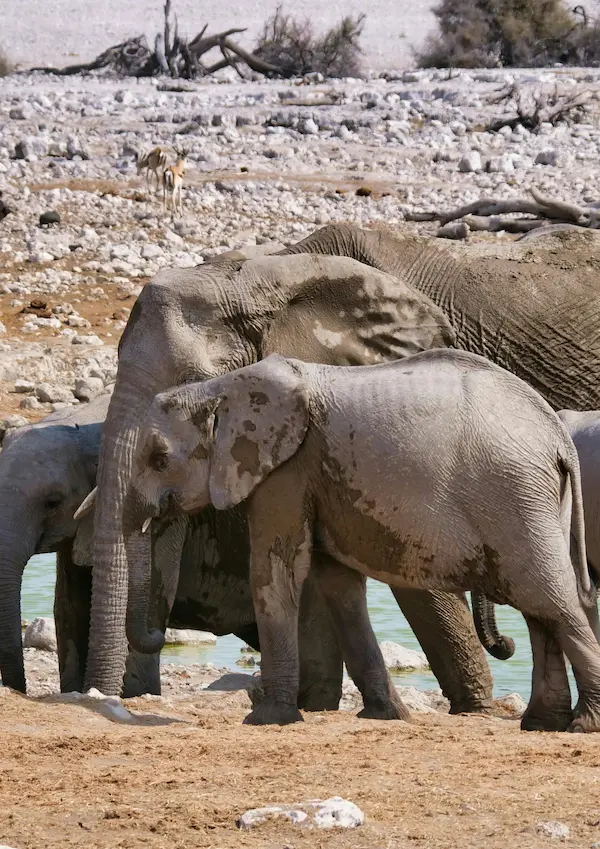
- Elephants, often in large breeding herds, covered in white dust from the pan.
- Lions, frequently seen at waterholes and on the open plains, plus leopard (shy and usually seen at night) and cheetah on the grasslands.
- Black and white rhino, best seen at the floodlit waterholes after dark.
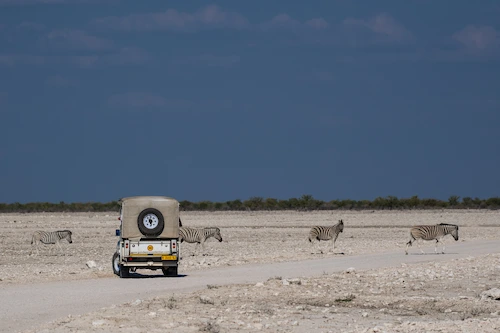
- Huge herds of springbok, zebra, blue wildebeest and oryx (gemsbok), plus giraffe, kudu, eland, red hartebeest and the tiny Damara dik-dik.
- Black-faced impala, a rare antelope found mainly in Etosha and north-west Namibia.
- More than 340 bird species, from ostrich, kori bustard and secretary birds to flamingos and pelicans when the pan is wet.
Etosha has four of the Big Five. There are no buffalo in the main tourist area.
Gates, gate times and park fees
Etosha has four main gates: Andersson Gate in the south (from Outjo and Windhoek, the busiest), Von Lindequist Gate in the east (from Tsumeb), King Nehale Gate in the north-east, and Galton Gate in the west (for the quieter western section and Dolomite Camp).
Gates open at sunrise and close at sunset. You must be inside a fenced camp or out of the park by sunset, and you cannot drive in the park at night except on guided night drives from the camps.
Park fees for international visitors are N$280 per adult per day at Etosha, the Namib-Naukluft (Sossusvlei), the Skeleton Coast and Cape Cross since 1 April 2026. Children aged 8 to 15 pay less and under-8s enter free. Our quotes always say whether park fees are included. Fees are paid per day at the gate or at the camp reception. Keep your permit, as you will need it to leave.
The best waterholes in Etosha
- Okaukuejo waterhole: floodlit at night, and famous for rhino, elephant and lions drinking side by side, just steps from your room.
- Halali (Moringa waterhole): a quieter floodlit waterhole on a rocky slope, good for leopard and rhino.
- Namutoni (Klein Namutoni and Chudop): in the east, good for elephants, giraffe and Damara dik-dik.
- Okondeka, Nebrownii, Gemsbokvlakte and Olifantsbad: reliable for big herds and lions around Okaukuejo.
- Rietfontein and Goas: between Okaukuejo and Halali, often busy with elephants in the dry season.
Read our full guide to the best waterholes in Etosha.
Where to stay: camps inside the park and lodges outside
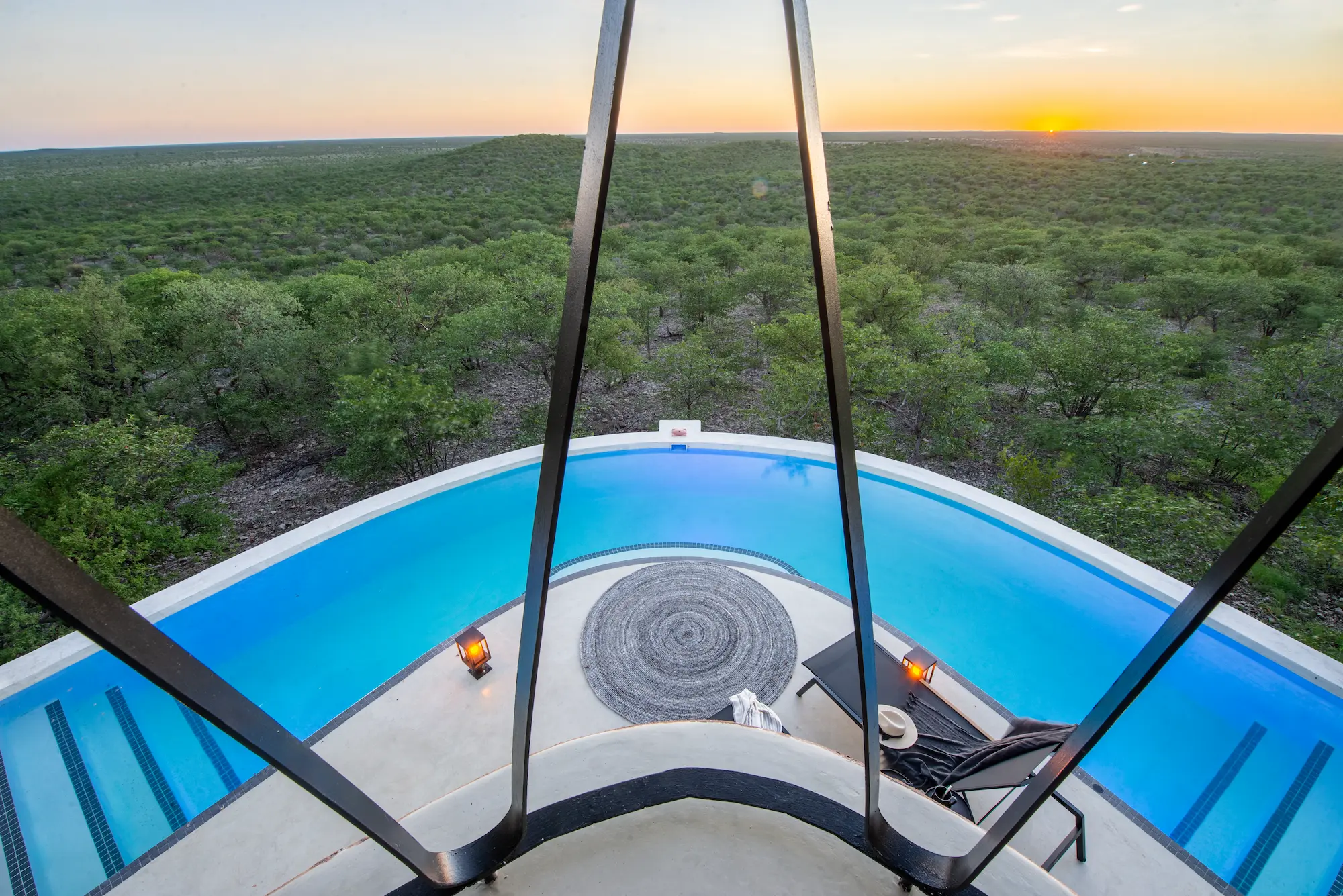
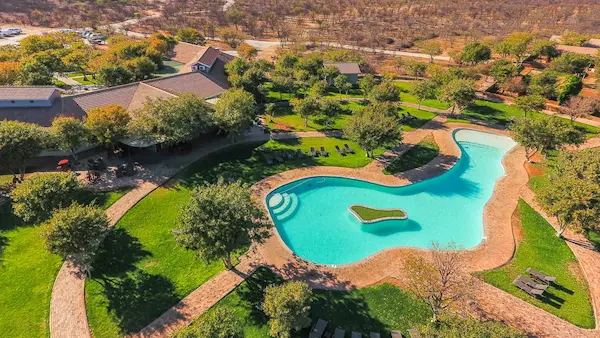
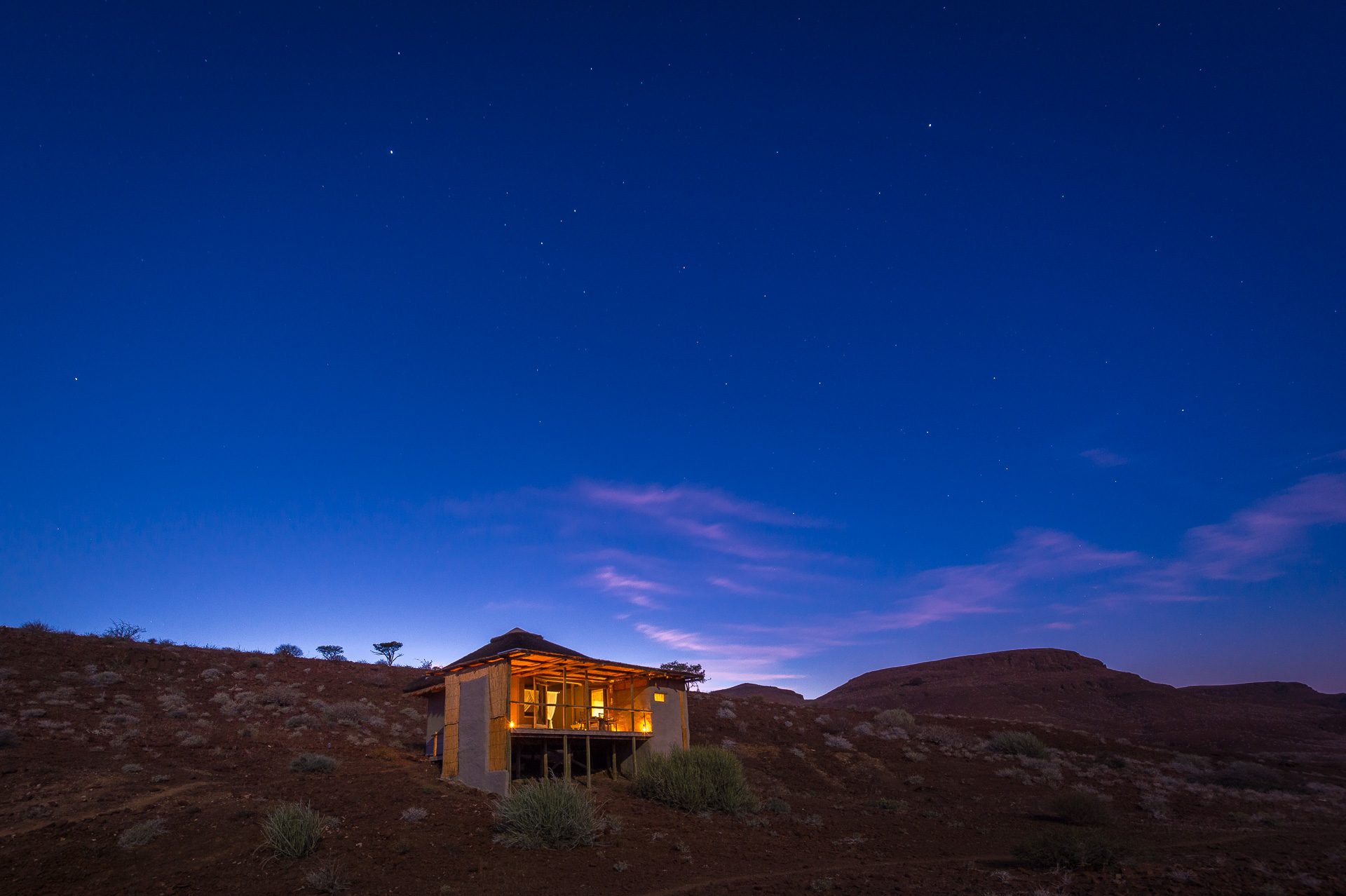
Namibia Wildlife Resorts runs the camps inside the park: Okaukuejo, Halali and Namutoni on the main road, Dolomite Camp and Olifantsrus in the west, and Onkoshi on the edge of the pan. Staying inside means you are at the waterholes at first light and can watch the floodlit waterhole at night. Lodges outside the gates, on private reserves near Andersson and Von Lindequist gates, are often more comfortable and offer guided drives. See where to stay in Etosha.
Etosha park rules and self-drive tips
- Stay in your vehicle at all times, except at fenced camps and marked toilet stops.
- Keep to the 60 km/h speed limit (many roads are gravel) and stay on marked roads.
- Plan your day so you are back in camp or out of the gate before sunset.
- Don't feed animals, and keep noise down at waterholes.
- Fuel is available at Okaukuejo, Halali and Namutoni. Fill up when you can.
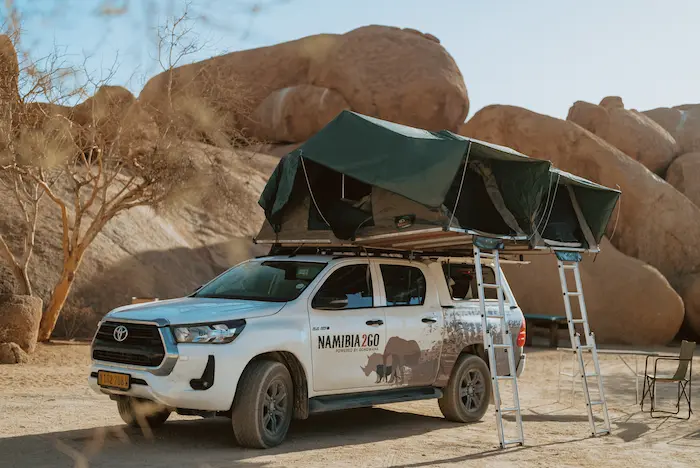
- A normal 2x4 car is fine on the main roads in the dry season. A higher vehicle gives better views over the grass.
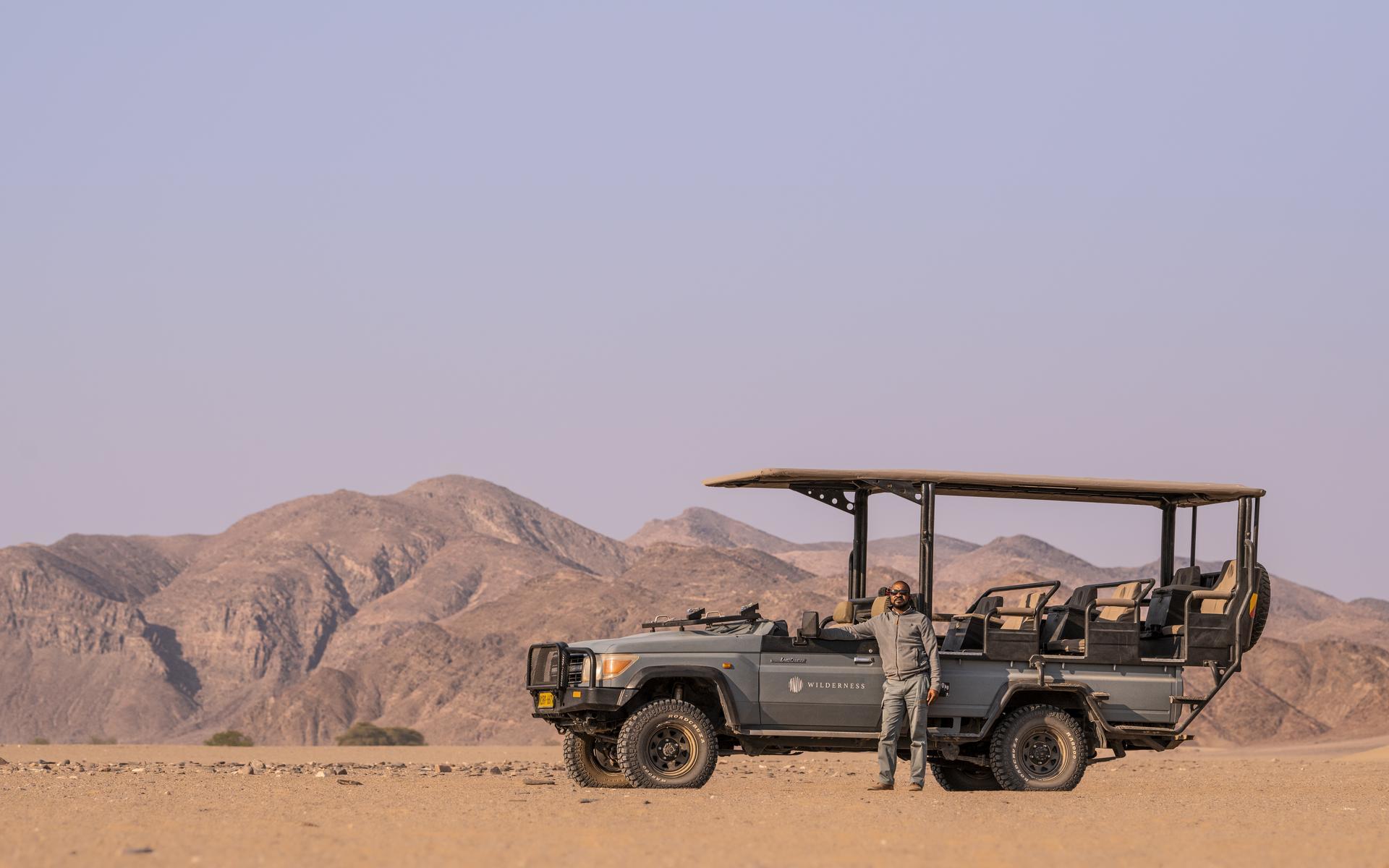
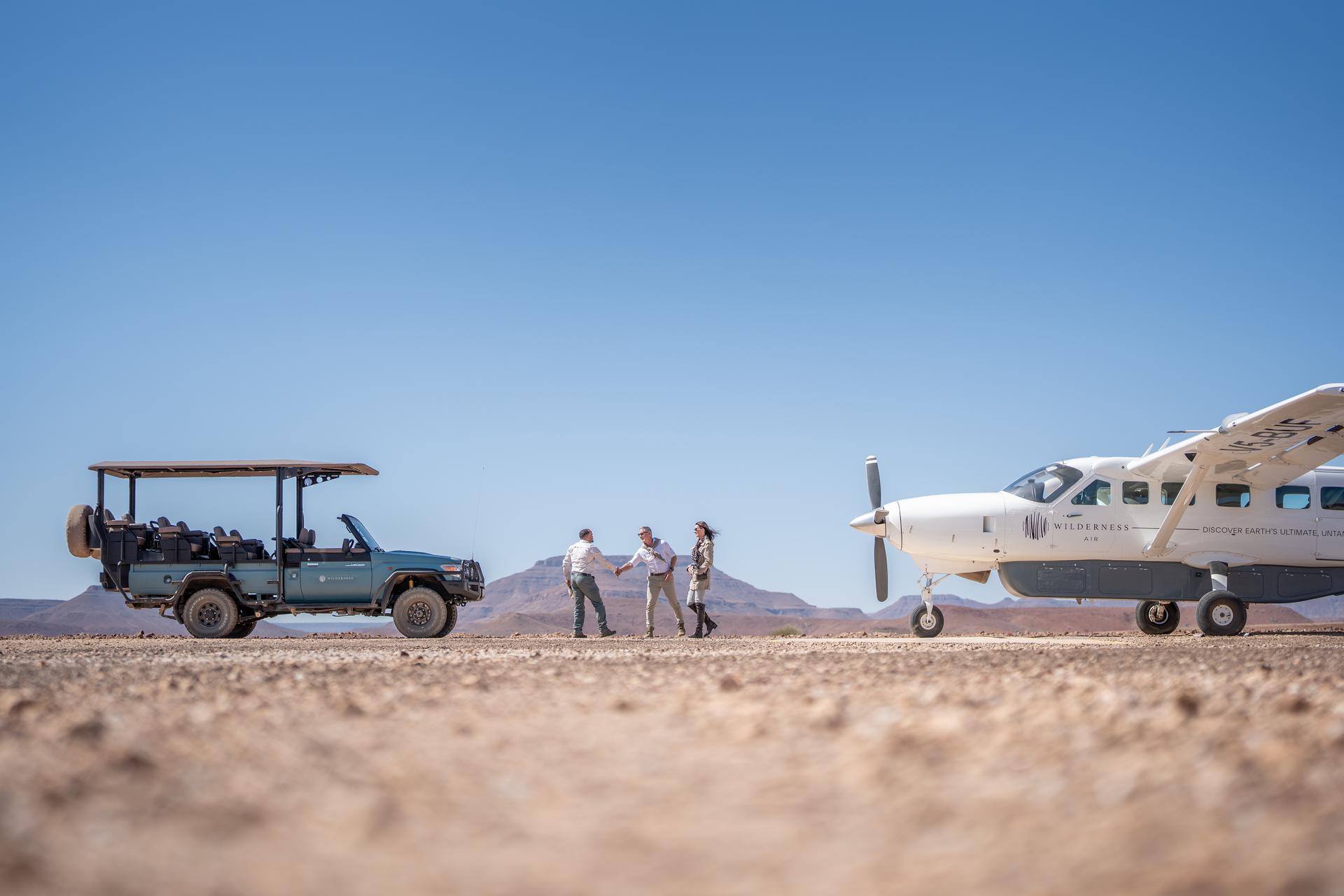
Prefer a guide? A guided game drive in an open vehicle gets you closer, as guides know where animals have been seen and you can watch rather than drive.
The best time for an Etosha safari
The dry season from June to October is the best time for game viewing: the bush thins out and animals gather at the waterholes. September and October are the hottest and best months for big numbers. The green season from November to April brings rain, lush grass, newborn animals, migrant birds and fewer visitors, but animals spread out and are harder to find. Most rain falls from January to March, and some gravel roads can be closed after storms.
Malaria and health in Etosha
Etosha is in a low-risk malaria area, with most risk in the rainy months from about November to May. Many visitors use insect repellent and cover up in the evening; speak to a travel clinic about anti-malaria tablets, especially if you are also visiting the Zambezi Region. Etosha is hot and dusty, so drink plenty of water and wear sunscreen.

 3 or 4 days