At a glance
WhereNamib-Naukluft National Park, south-west Namibia
Nearest villageSesriem (park gate)
From WindhoekAbout 350 km, 4½–5 hours
From SwakopmundAbout 350 km, 4½–5 hours
Gate to SossusvleiAbout 65 km (60 km tar + 5 km sand)
Tallest duneBig Daddy, about 325 m
Park fee (international adult)N$280 per day
GatesOpen sunrise to sunset
MalariaNone
Best lightSunrise and late afternoon
UNESCONamib Sand Sea, World Heritage Site since 2013
Nights to stay2–3 nights
What and where is Sossusvlei?
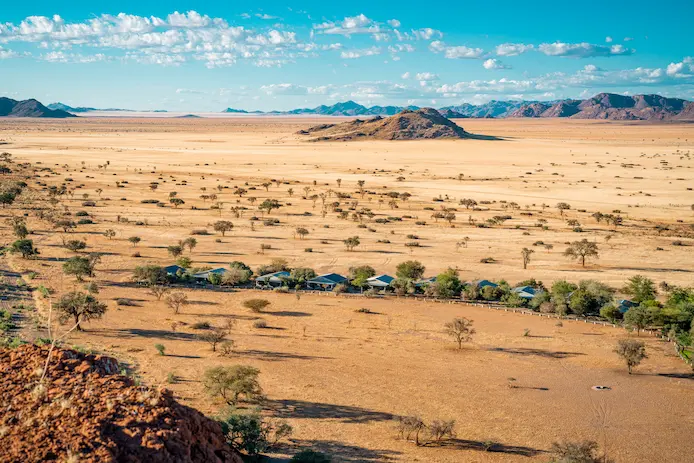
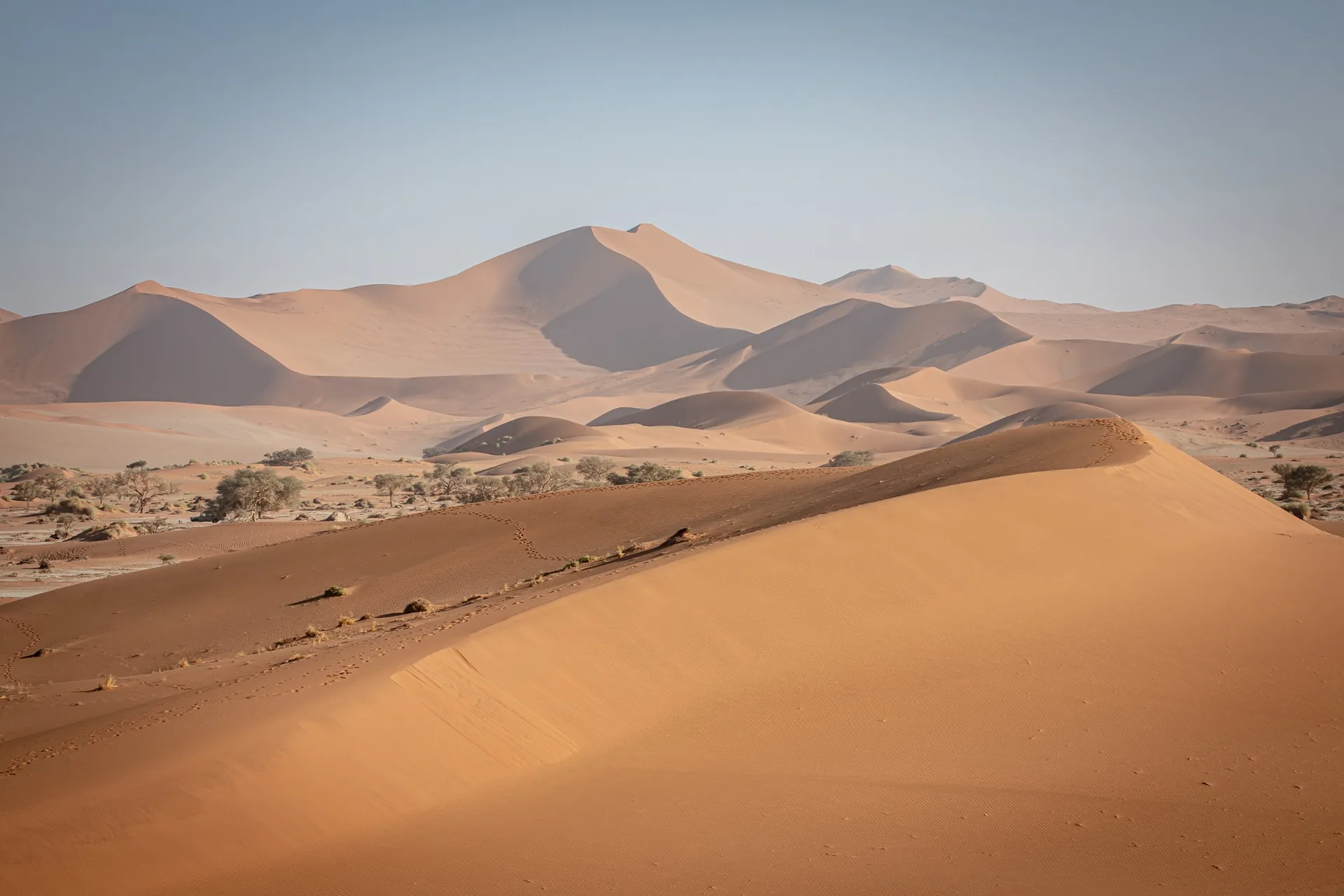
Sossusvlei is a white salt and clay pan surrounded by towering red sand dunes in the heart of the Namib Desert, inside the Namib-Naukluft National Park, one of the largest protected areas in Africa. The name mixes Nama and Afrikaans and roughly means "dead-end marsh": the Tsauchab River flows towards the sea here but the dunes block it, so in rare wet years the pan fills with water.
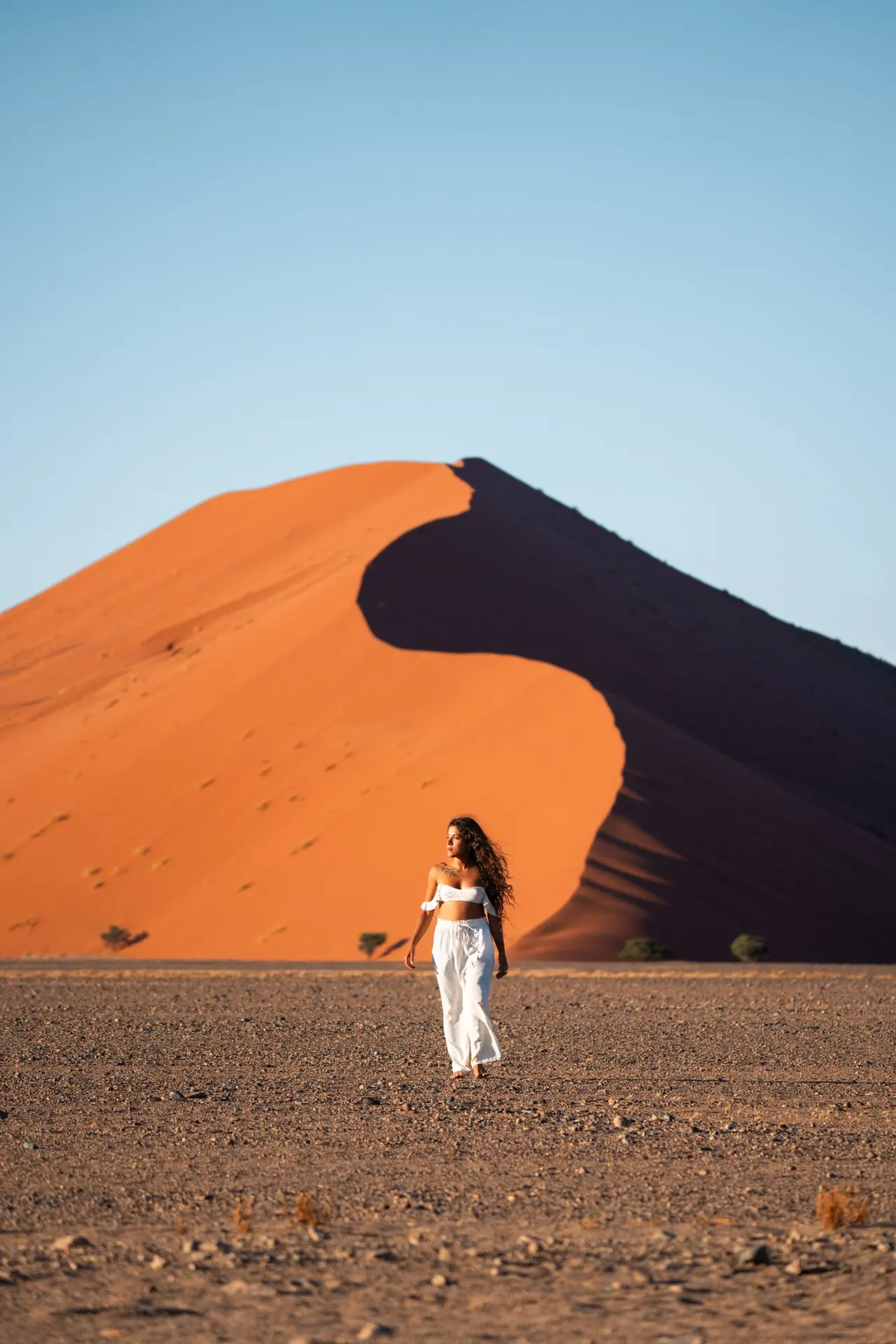
Today the name is used for the whole dune area along the 60 km road from the Sesriem gate, including Deadvlei, Hiddenvlei, Dune 45 and Big Daddy. The dunes are part of the Namib Sand Sea, a UNESCO World Heritage Site, and are among the tallest in the world. Their deep red-orange colour comes from iron oxide coating the sand, and they glow brightest in the low light just after sunrise.
Deadvlei: the white pan and the dead trees
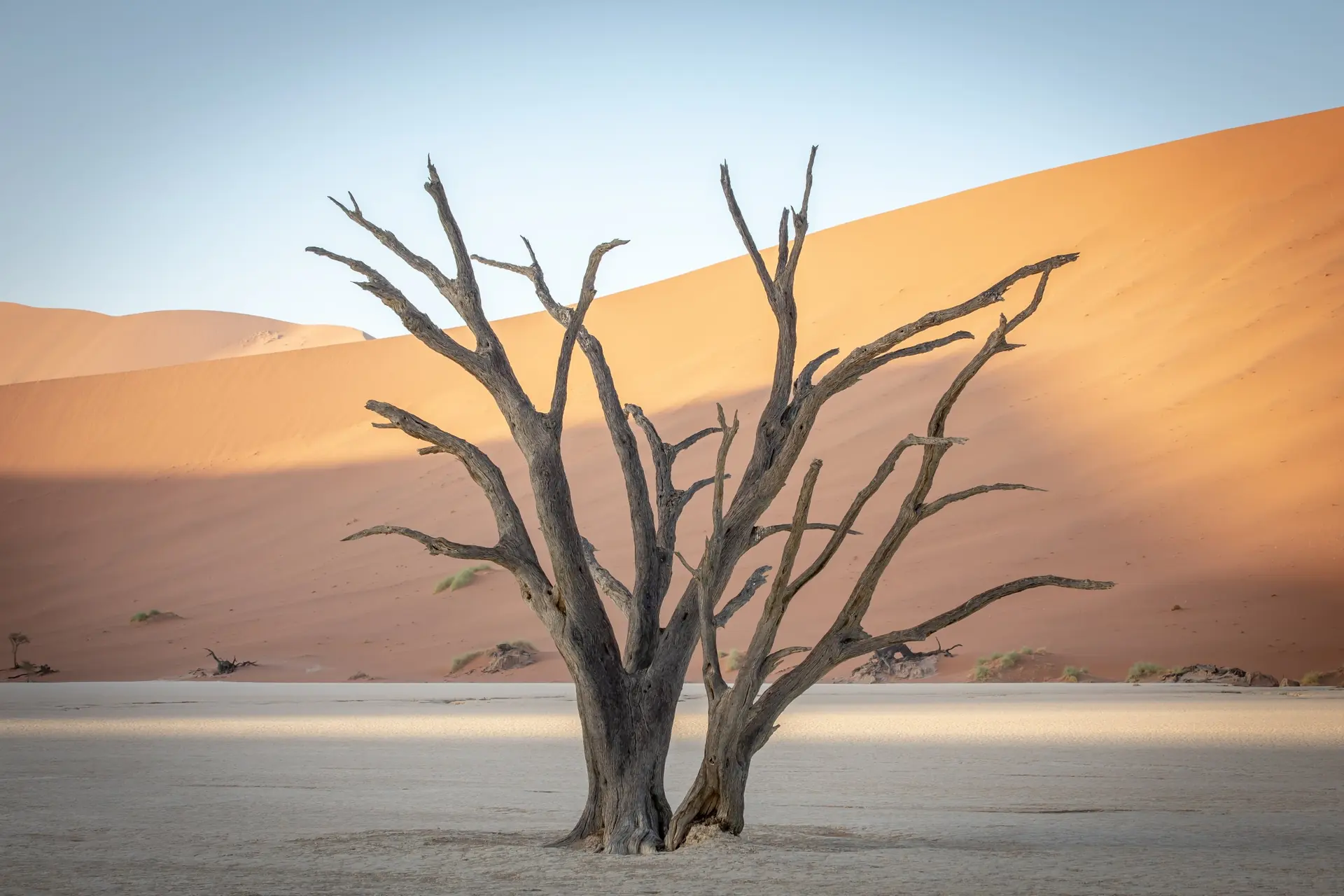
Deadvlei ("dead marsh") is the most photographed place in Namibia. About 600 to 900 years ago, the river that fed this pan was cut off by moving dunes. The camelthorn trees died, but the air is so dry that they never decayed. Today their blackened, twisted trunks stand on cracked white clay, framed by orange dunes and a deep blue sky.
Deadvlei lies about 1 km from the end of the road. The walk over soft sand takes 15 to 20 minutes each way. Go early, before the heat, and take water. The trees are protected, so don't touch or climb them.
Which dune should you climb?
- Dune 45 sits 45 km from the Sesriem gate, right next to the road. It is about 80 m high, with a clear ridge path, and is the classic sunrise climb (30–45 minutes up).
- Big Daddy, about 325 m high, towers over Deadvlei and is one of the tallest dunes in the area. The climb takes 1 to 1½ hours, and you can run straight down the steep face into Deadvlei at the end. Only for fit walkers, and start early.
- Big Mama is a shorter alternative near Sossusvlei itself, with views over the pan.
- Elim Dune, close to the Sesriem gate, is a good easy option for sunset when the inner road is closed.
Climbing is free, but there is no shade on the dunes. Wear closed shoes (the sand gets very hot), a hat and sunscreen.
How to get there: gate times, park fees and the last 5 km
All visits start at the Sesriem gate. It opens at sunrise and closes at sunset. Guests staying inside the gate (Sesriem Campsite, Sossus Dune Lodge and Dead Valley Lodge) can use the inner gate, which opens an hour before sunrise, so they reach Dune 45 for first light.
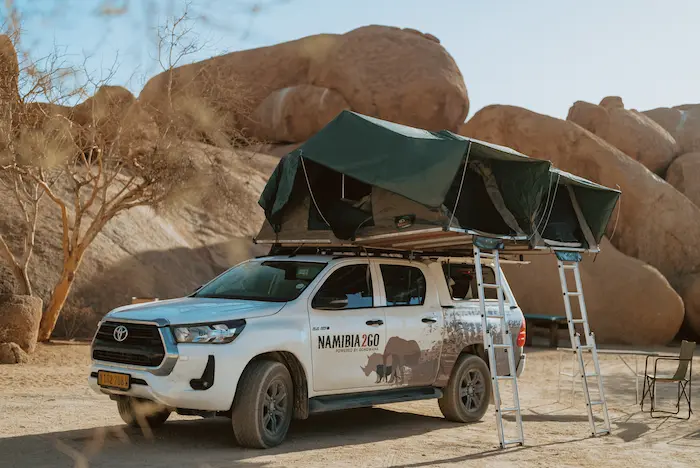
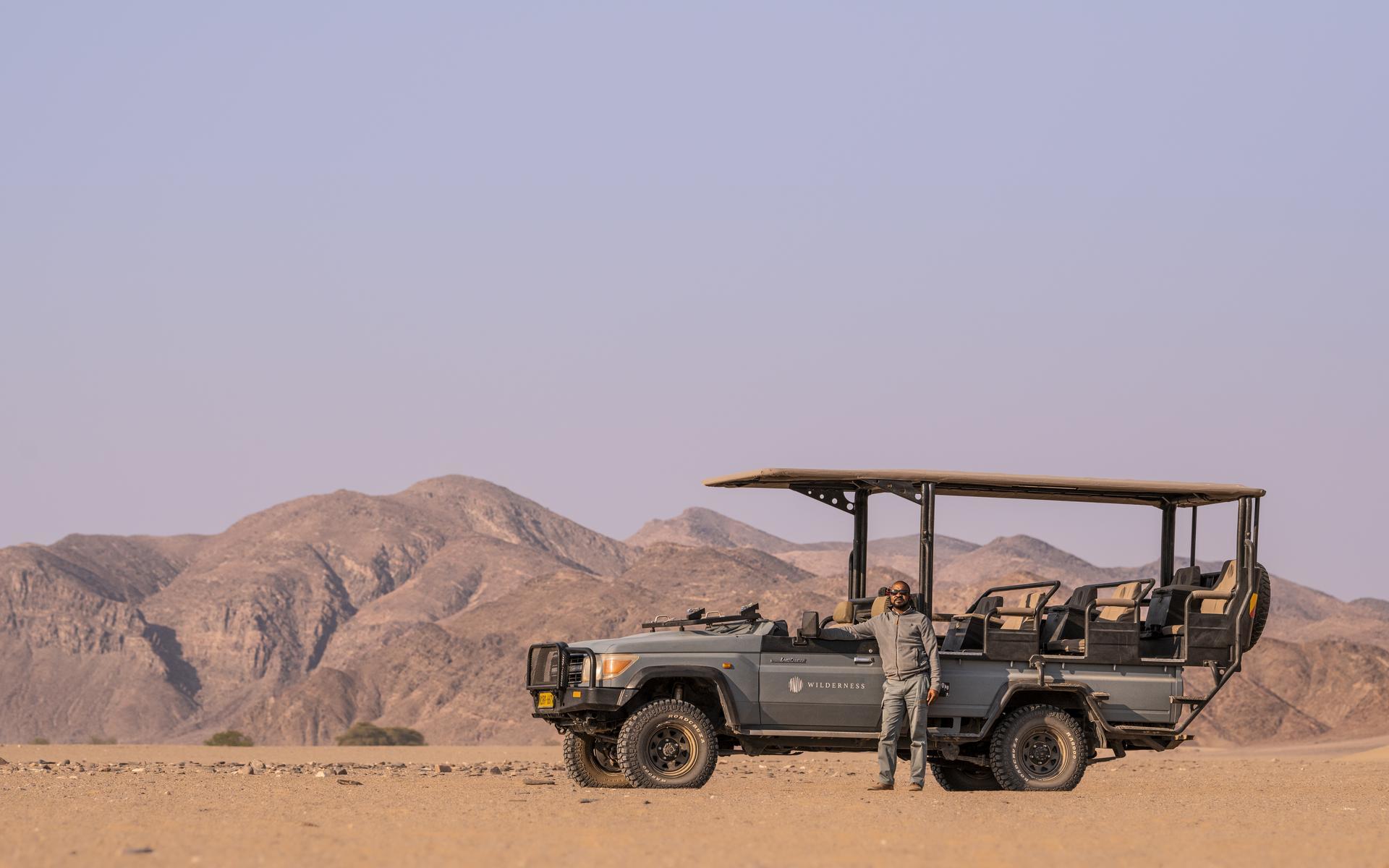
From the gate, a tarred road runs about 60 km to the 2x4 car park. The last 5 km to Sossusvlei and Deadvlei is deep sand. You can drive it yourself in a proper 4x4 with lowered tyre pressure, or park and take the shuttle (around N$250 per adult, return). On a guided trip, your guide drives you in.
Access rules here changed briefly in May 2026, when private vehicles were stopped at the 2x4 car park for a day. Always check the latest rules with your lodge before you go. Park fees for international visitors are N$280 per adult per day at Etosha, the Namib-Naukluft (Sossusvlei), the Skeleton Coast and Cape Cross since 1 April 2026. Children aged 8 to 15 pay less and under-8s enter free. Our quotes always say whether park fees are included.
Things to do at Sossusvlei
- Sunrise dune climb at Dune 45 or Big Daddy, then the walk to Deadvlei.
- Hot air balloon flight over the dunes at sunrise, finishing with a champagne breakfast in the desert.
- Scenic flight by light aircraft over the dune sea to the Atlantic coast and the shipwrecks.
- Sesriem Canyon, a narrow gorge about 1 km long and up to 30 m deep, carved by the Tsauchab River. An easy walk, best in the afternoon.
- Guided nature walks and drives to find oryx, springbok, ostrich, bat-eared foxes and the small desert creatures.
- Stargazing in the NamibRand Nature Reserve, an International Dark Sky Reserve, or simply from your lodge.
- E-biking, quad biking and sundowner drives on private reserves around Sesriem.
Where to stay: inside or outside the park
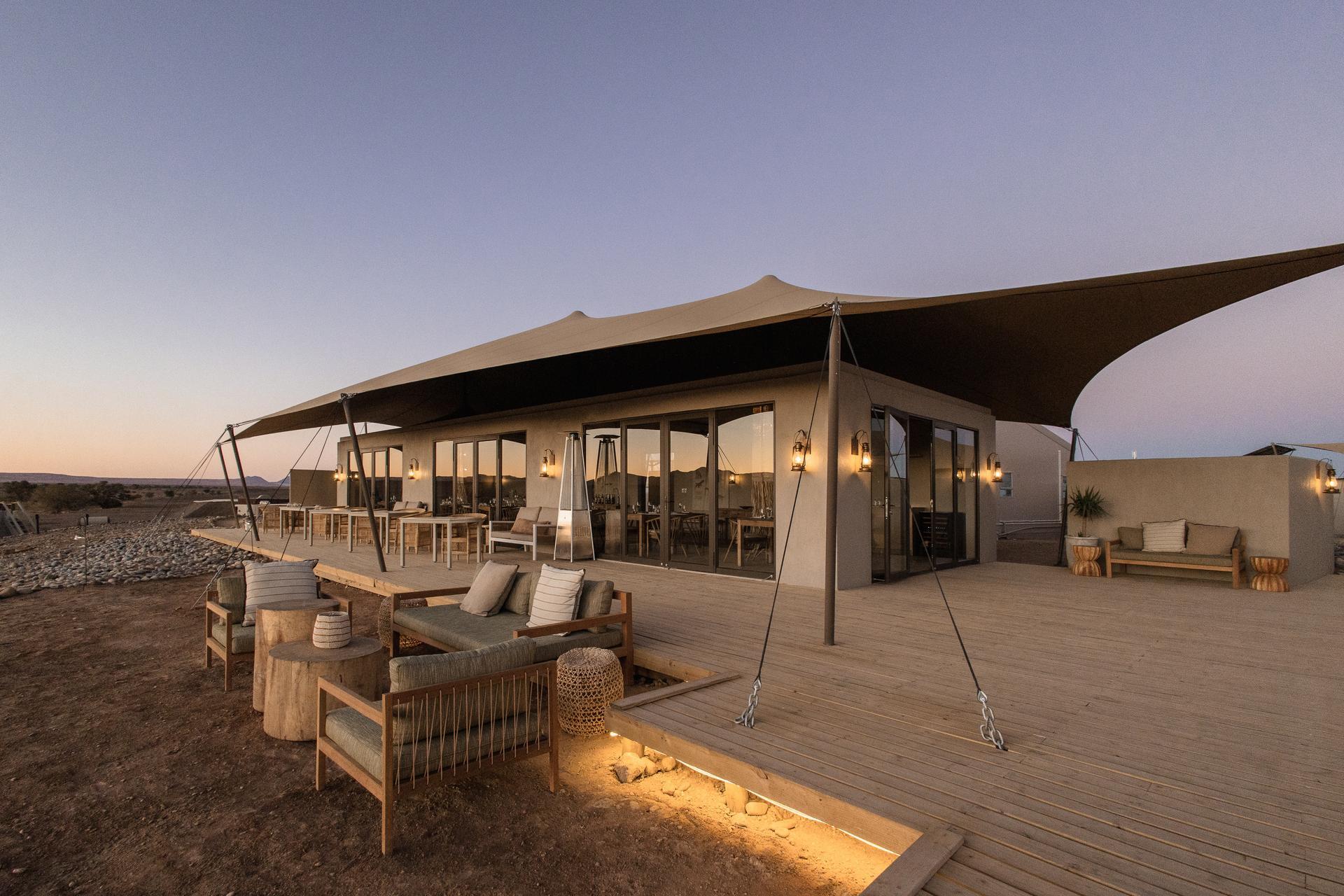
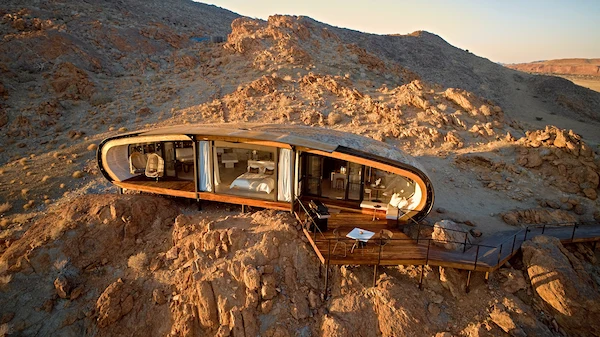
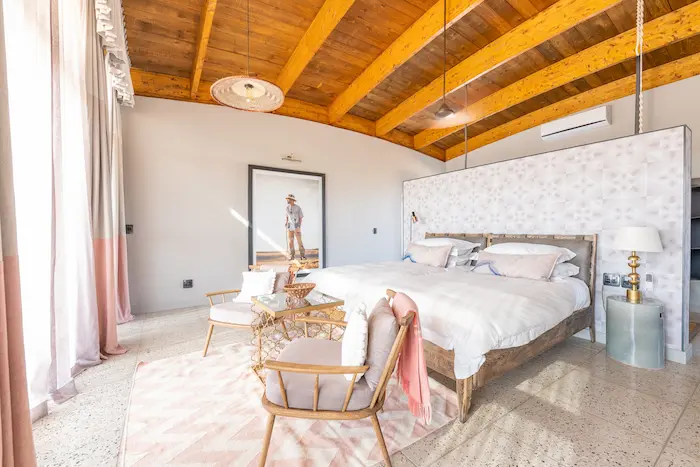
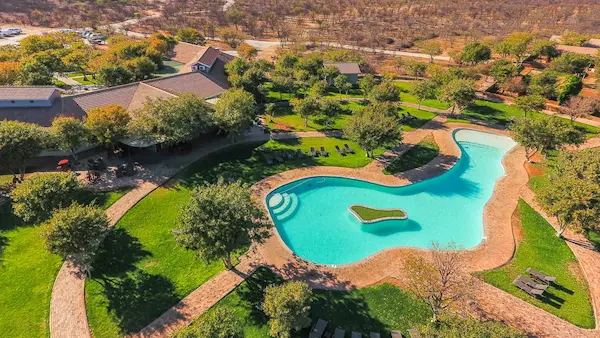
Staying inside the Sesriem gate (Sossus Dune Lodge, Dead Valley Lodge or Sesriem Campsite) gives you the earliest start and the best sunrise light. Lodges just outside the gate are a 5 to 30 minute drive away and offer more choice. Lodges on private reserves further away, such as in the NamibRand or around Solitaire, are quieter and more scenic, but mean an earlier wake-up. Read our guide to where to stay near Sossusvlei.
Weather and what to pack
Sossusvlei is dry all year and malaria-free. Summer (November to March) is very hot, often above 35°C by midday, so plan activities for early morning. Winter (May to August) has warm, sunny days around 20–25°C and cold nights that can drop below freezing. Strong winds can blow sand in August and September.
Pack: a warm jacket for early starts, sun hat, sunglasses, high-SPF sunscreen, closed shoes, a refillable water bottle (at least 1.5 litres per person for the dunes), a headlamp and a camera with a zoom and a wide lens. See our Namibia packing list.
How to combine Sossusvlei with the rest of Namibia
Sossusvlei fits naturally between Windhoek and Swakopmund on the coast, then north to Damaraland and Etosha. That loop is our 7-Day Namibia Highlights Safari. From the south, you can come up from the Fish River Canyon and the Kalahari. Short on time? Our 3-day Sossusvlei shuttle safari runs from Windhoek or the coast.

 3 days · 2 nights