
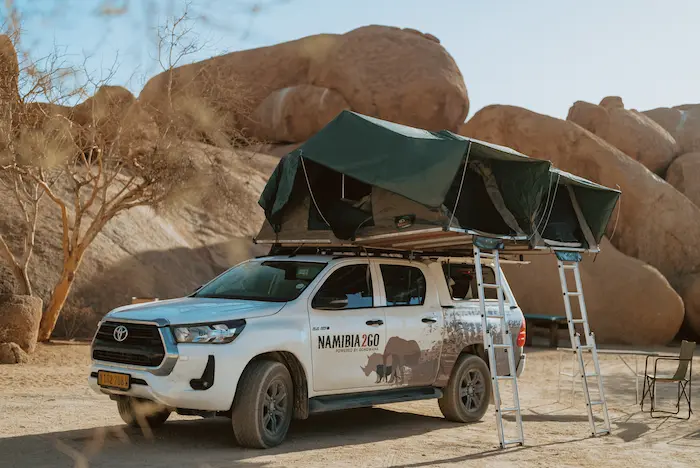
 Self-drive · Shuttle · Fly-in7 days
7-Day Namibia Highlights Safari
Windhoek · Etosha · Swakopmund · Sossusvlei
FromN$33,700per person sharing · low season
View tour
Shuttle, self-drive, private guide or fly-in. Tell us how you like to travel and our Namibia team plans the rest.
Ready-made itineraries with real prices. Every one can be changed: more nights, other lodges, a different way of travelling.
Self-drive · Shuttle · Fly-in7 daysWindhoek · Etosha · Swakopmund · Sossusvlei
 Guided tour10 days
Kalahari · Sossusvlei · Swakopmund · Damaraland · Etosha
 Shuttle4 days
Windhoek · Kalahari · Fish River Canyon
 Shuttle7 days
Windhoek · Kalahari · Fish River Canyon · Sossusvlei
 Shuttle10 days
Kalahari · Fish River Canyon · Sossusvlei · Swakopmund
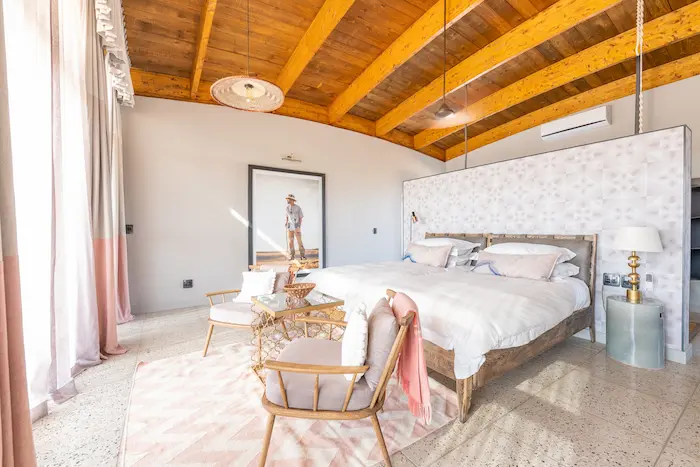 Shuttle3 nights
Windhoek · Sossusvlei · Windhoek
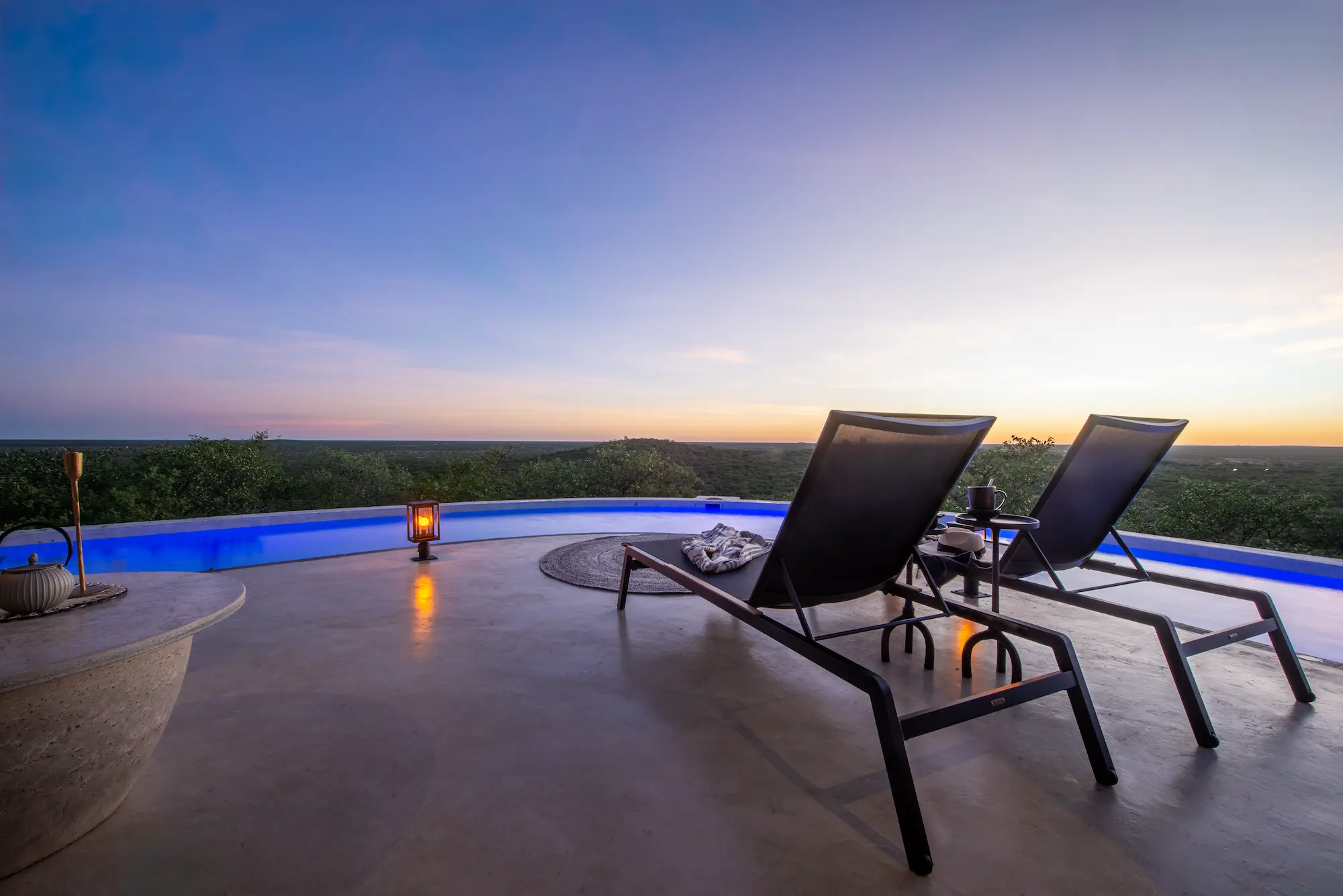 Self-drive · Shuttle · Fly-in2 nights
Windhoek · Etosha (Andersson Gate)
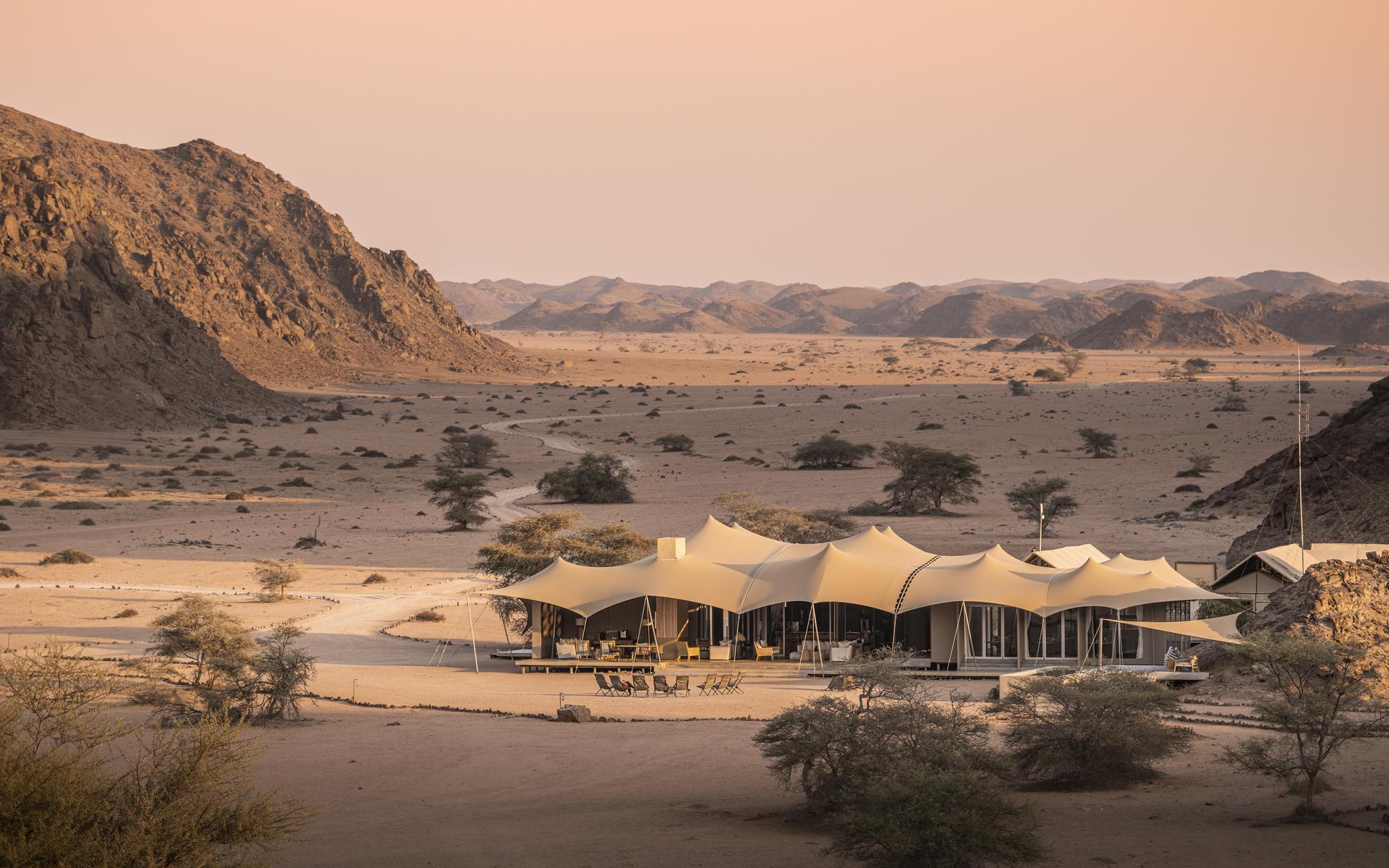 Fly-in7 nights
Luna · Hoanib Skeleton Coast · Desert Rhino Camp
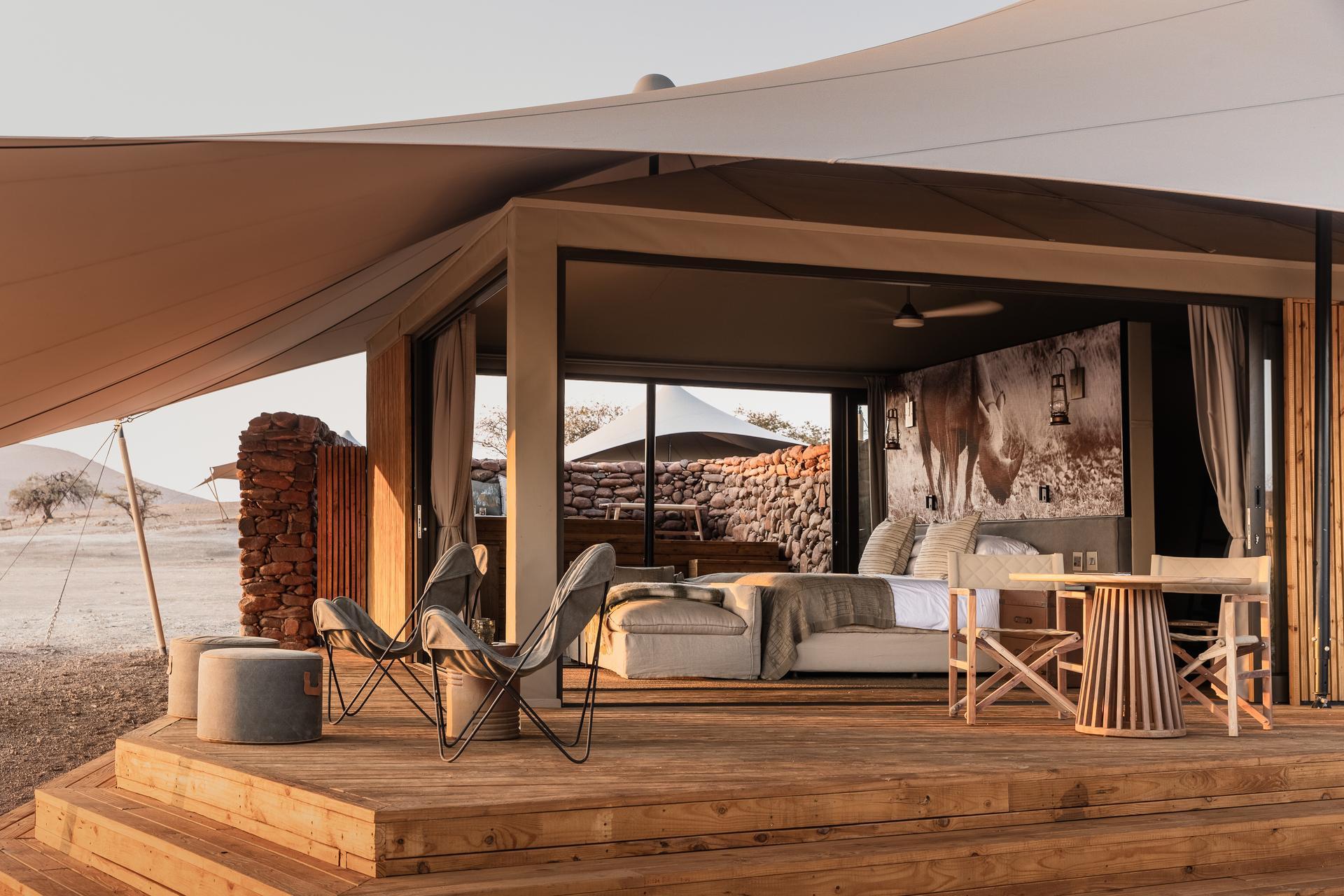 Fly-in10 nights
Sossusvlei · Skeleton Coast · Kunene River · Etosha
Prices are per person sharing and depend on availability and season. Your final price is confirmed when you book. See our terms & conditions.
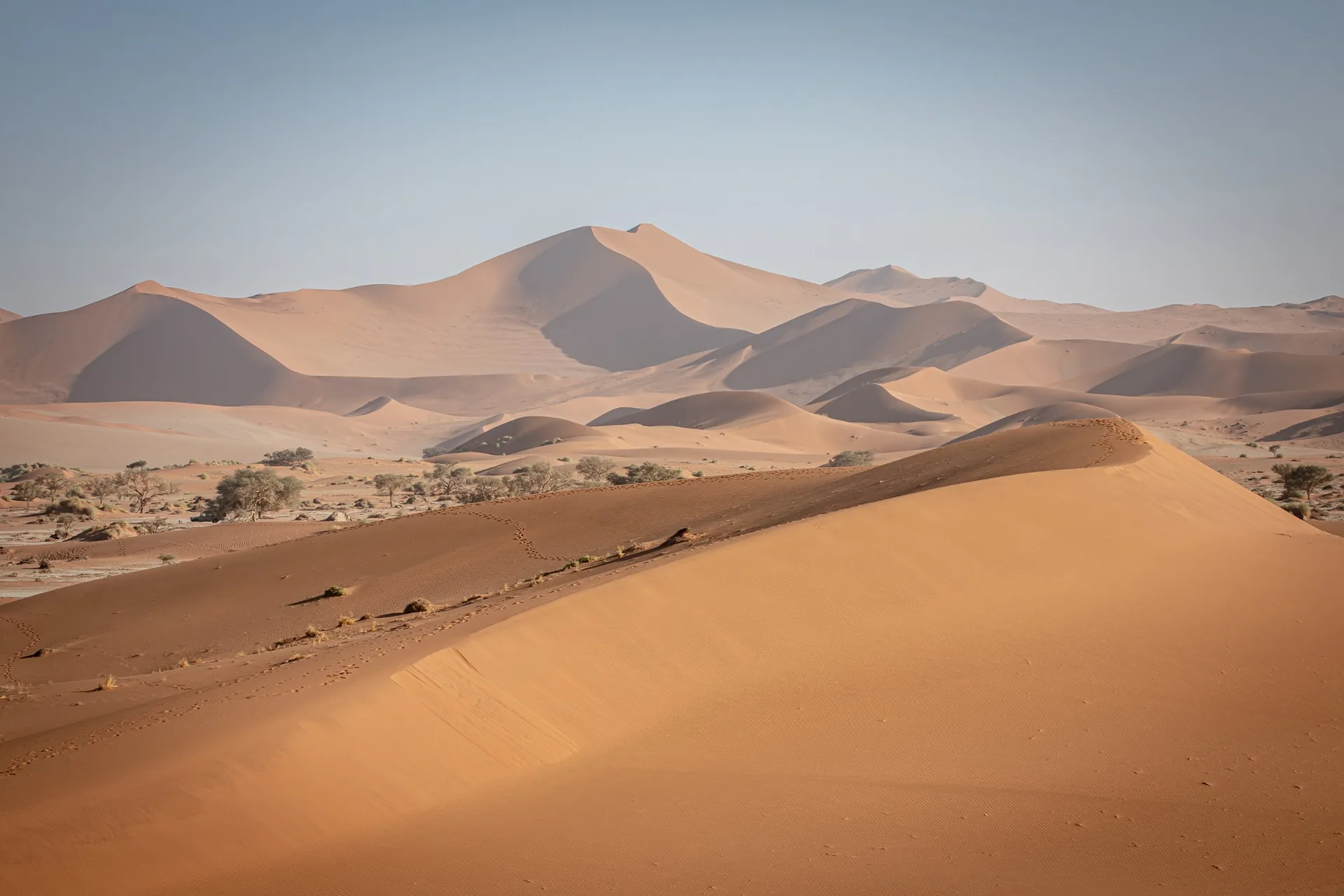
Red dunes at sunrise and the ancient trees of Deadvlei
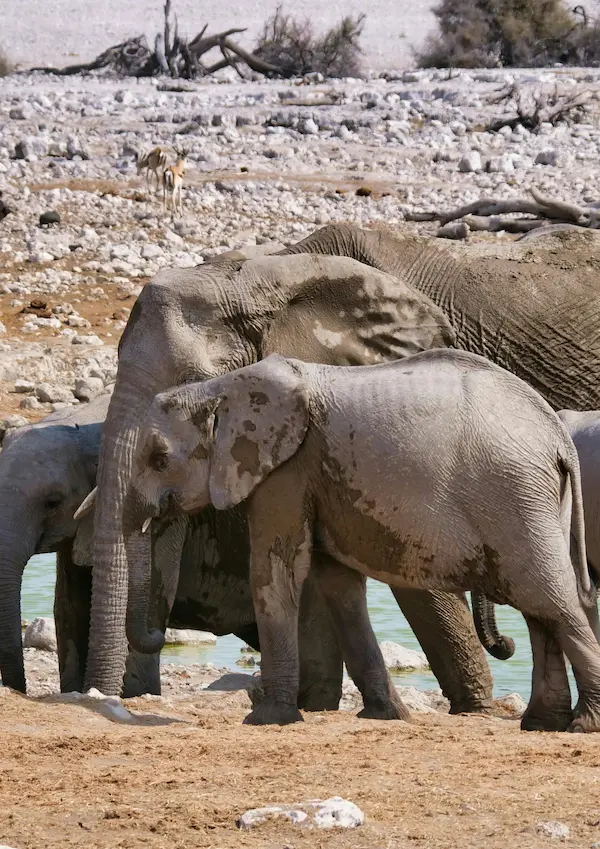
Wildlife at the waterholes
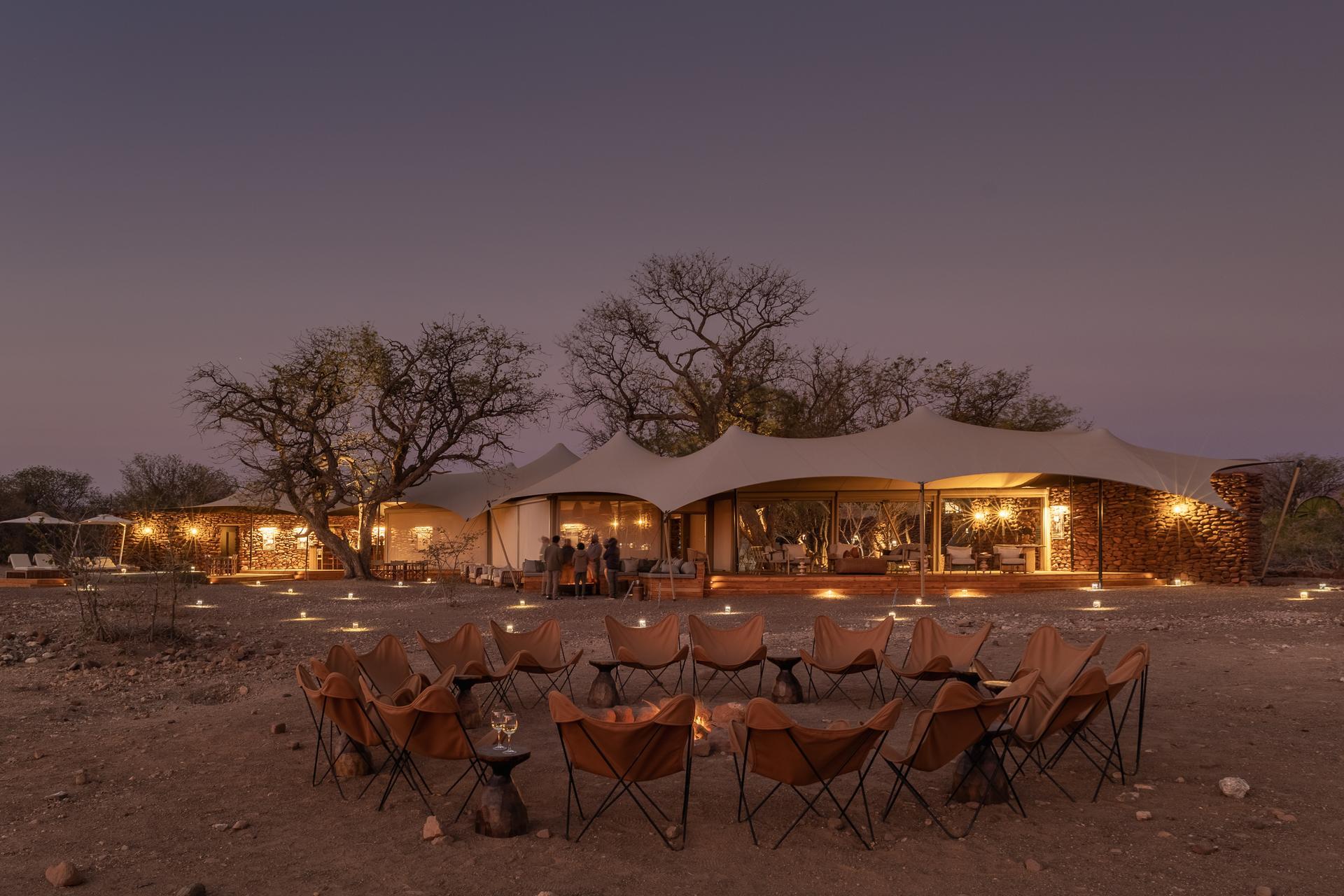
Desert elephants and rhino
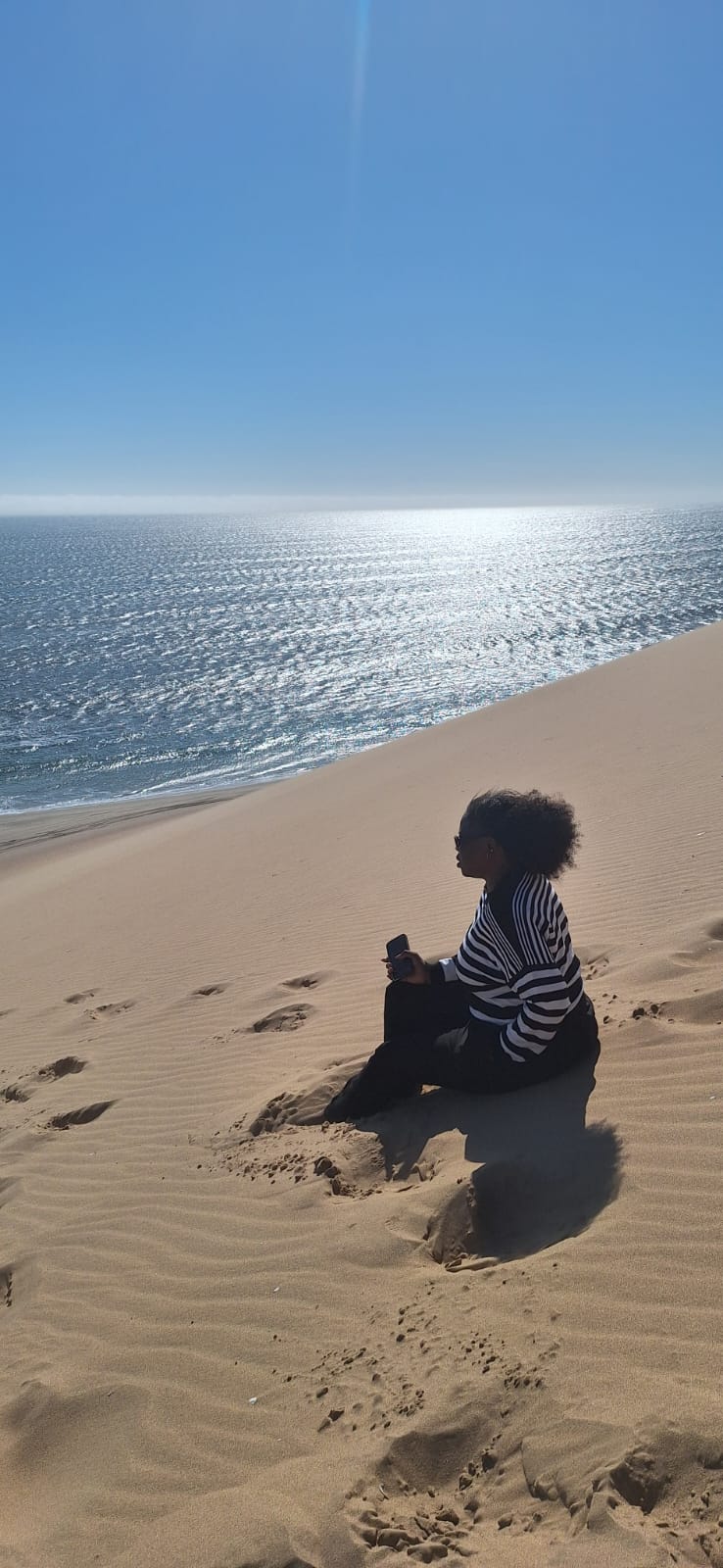
The Atlantic coast
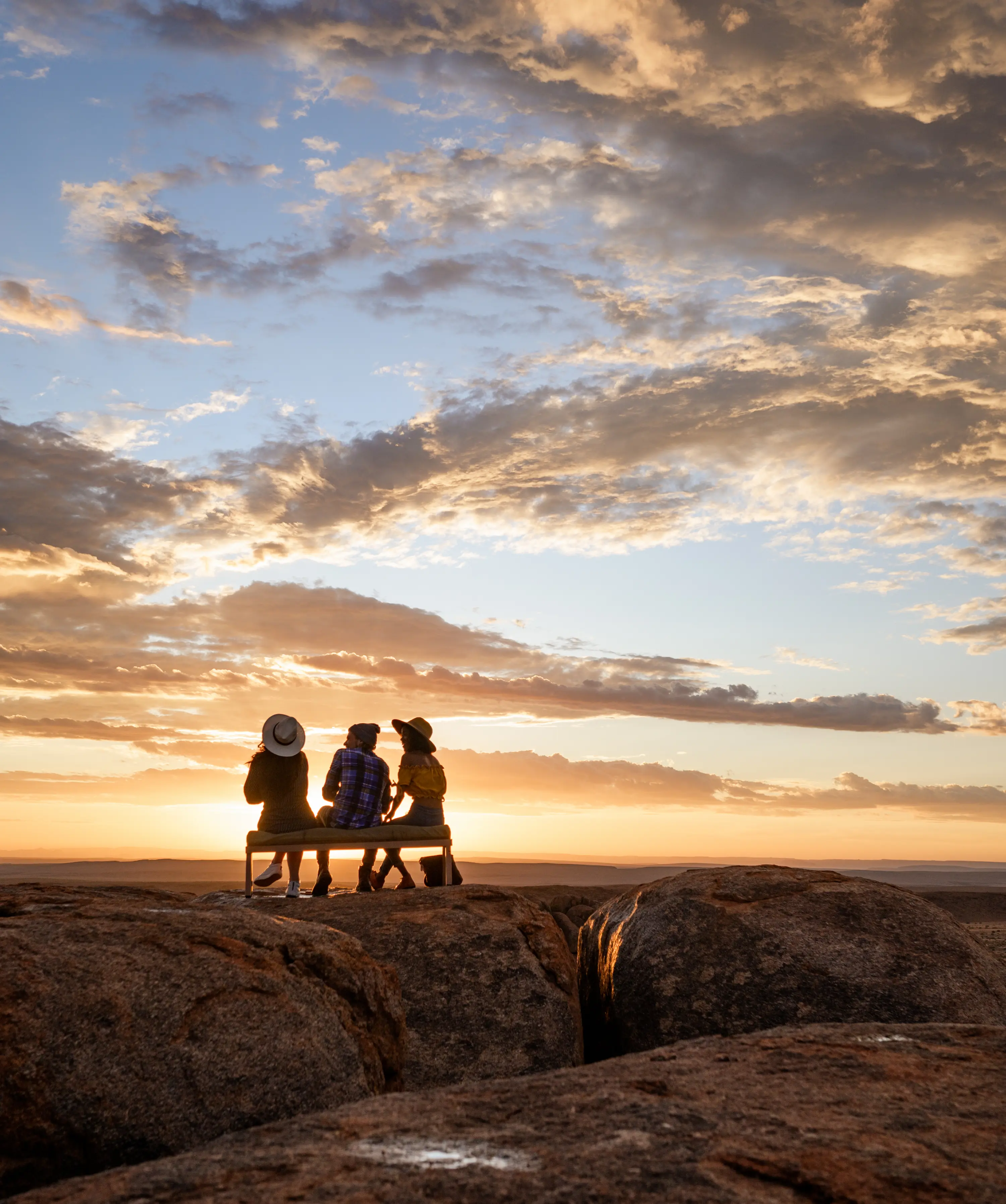
Africa's largest canyon
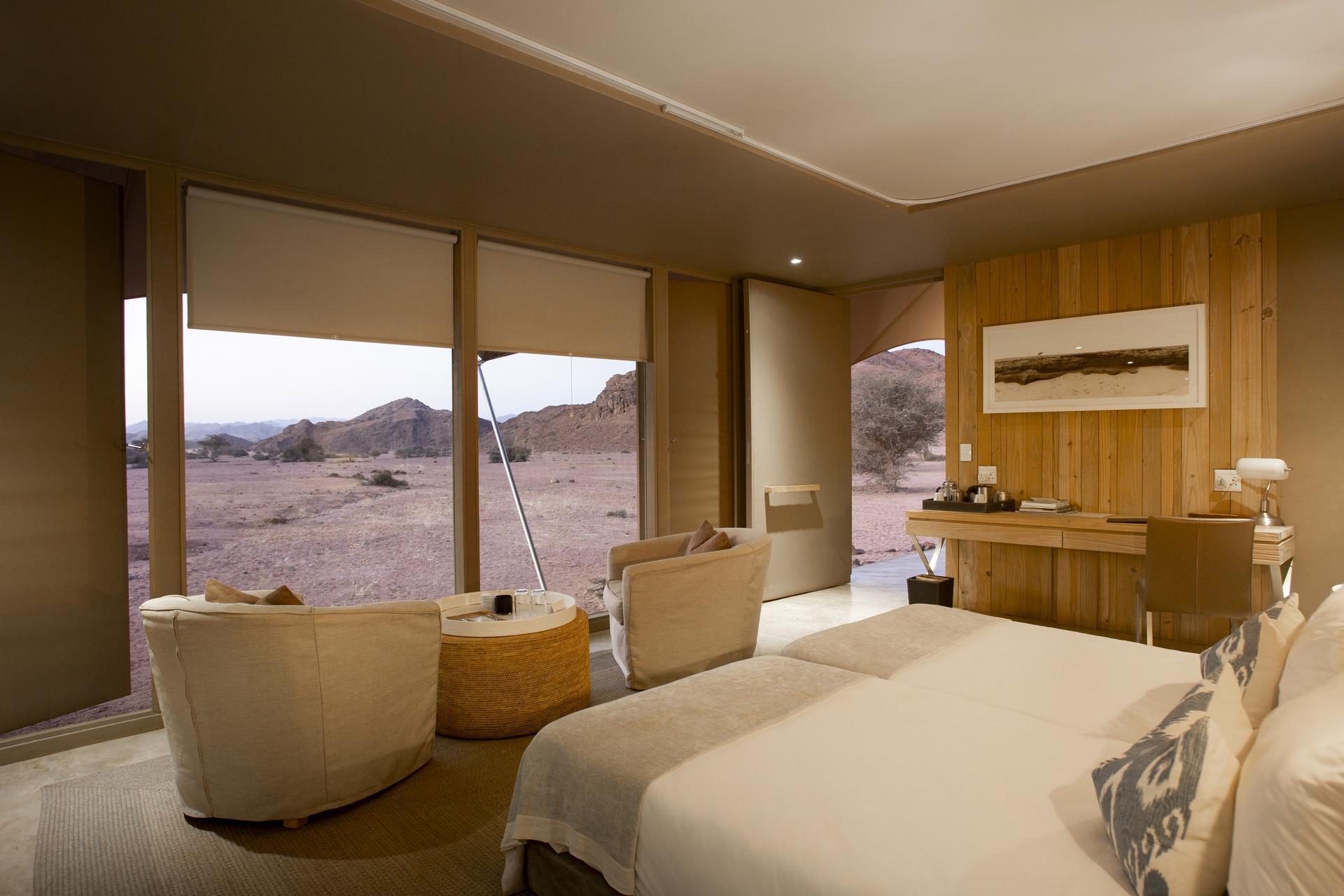
Remote, wild and best reached by air
Where every Namibia trip begins
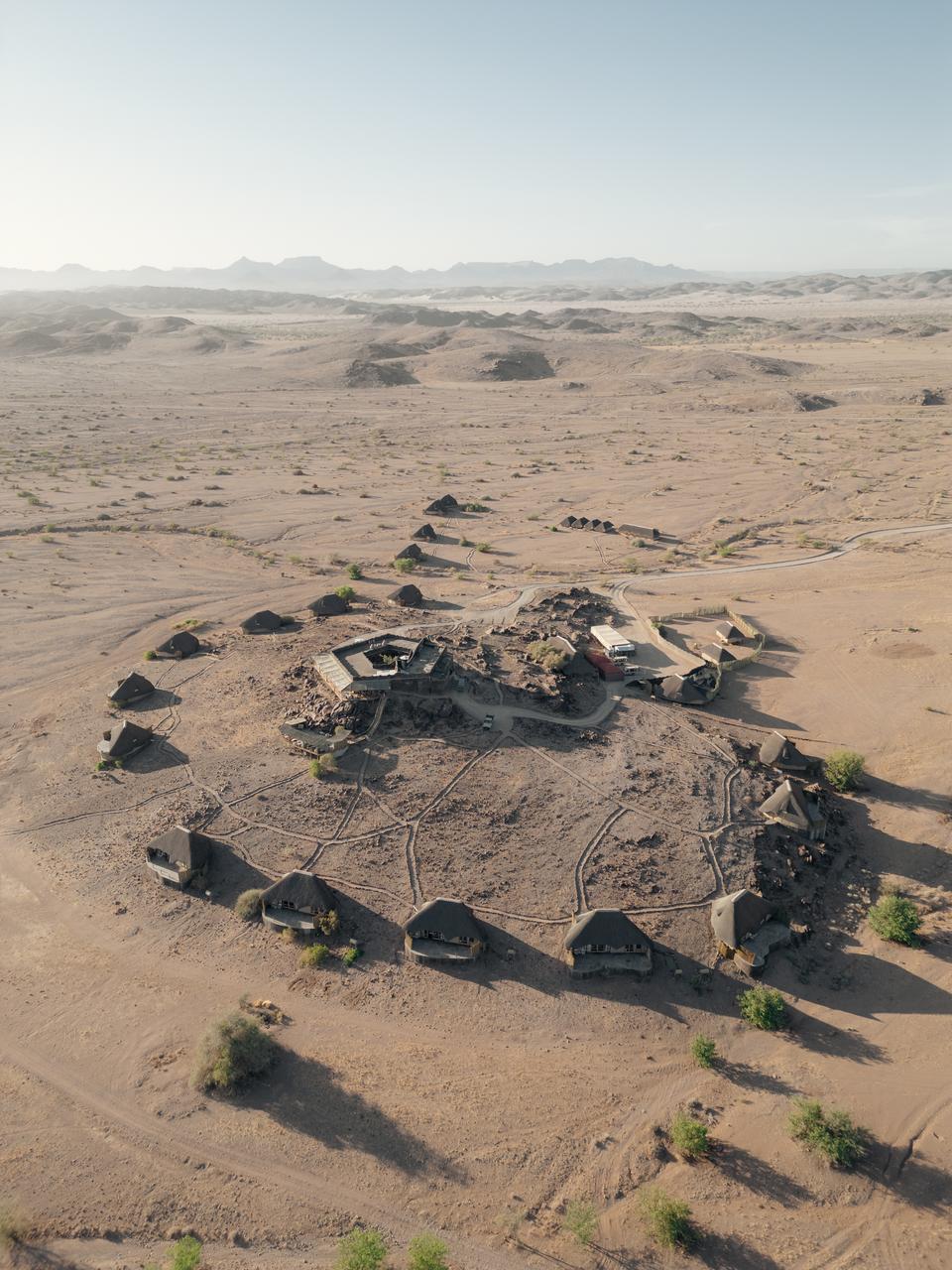
We plan one country only: Namibia. That means specific, honest advice on routes, lodges, seasons and driving times, from a team that knows the country well.
Your dates, budget and pace decide the route, not a brochure.
From the shared shuttle and camping to exclusive fly-in camps.
German, French and Spanish-speaking guides on request.
A Namibian WhatsApp number before and during your trip.
Reviews and memberships of Tourgy Tourz, the Southern and East Africa tour operator behind Tourgy Tourz Namibia.
Planning a Namibia safari or self-drive holiday? Here are the facts and practical tips our Namibia team gives every traveller, from where Namibia is and how big it is, to visas, malaria, safety, money, driving and the best time to visit.
Namibia lies on the Atlantic coast of south-western Africa. It borders South Africa to the south, Botswana to the east, Angola and Zambia to the north. The narrow Zambezi Region in the far north-east ends just a short drive from Victoria Falls. Its whole western edge is the Namib Desert running down to the cold Atlantic Ocean.
At 825,615 km², Namibia is more than twice the size of Germany and over three times the size of the United Kingdom, yet only about three million people live here. That makes it one of the least densely populated countries on Earth, with fewer than four people per square kilometre. For travellers this means huge empty landscapes, dark night skies and roads where you may drive an hour without seeing another car. It also means distances are long: plan for 4 to 6 hours of driving between most highlights.
Most first trips combine three or four of these areas in a loop from Windhoek. Click a region for tours, lodges and prices.
Red dunes, sunrise climbs and Sesriem Canyon.
Big game around a vast white salt pan.
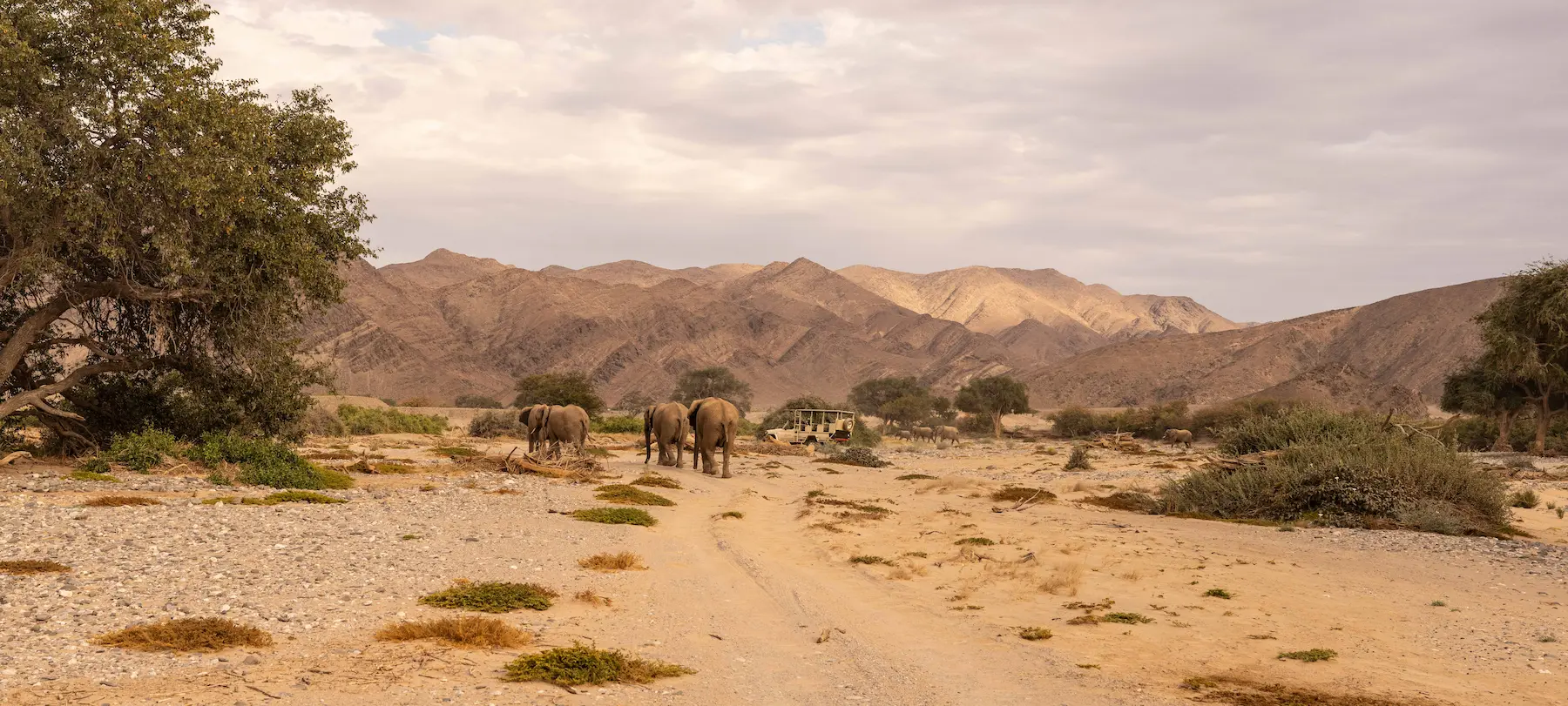
Desert elephants, rhino and Twyfelfontein rock art.
Seals, dolphins, Sandwich Harbour and adventure.
Shipwrecks, desert lions and fly-in camps.
Africa's largest canyon, the Kalahari and Lüderitz.
Windhoek, the small, relaxed capital in the central highlands, is where almost every trip starts and ends. In the far north-east, the green Zambezi Region (once the Caprivi Strip) has rivers, hippos and elephants, and links easily to Chobe in Botswana and Victoria Falls.
Namibia is home to many cultures. The Ovambo people of the north are the largest group, alongside the Kavango, Herero, Damara, Nama, Caprivian, San (the first people of southern Africa) and the semi-nomadic Himba of the Kunene Region, as well as Namibians of German, Afrikaans and mixed heritage. English is the official language, and you will also hear Oshiwambo, Afrikaans, Otjiherero, Khoekhoegowab and German.
The San have lived here for thousands of years, and their rock engravings at Twyfelfontein are a UNESCO World Heritage Site. From 1884 the territory was a German colony, a period remembered for the genocide of the Herero and Nama people between 1904 and 1908. After the First World War it was run by South Africa. Following a long liberation struggle, Namibia became independent on 21 March 1990, and it has been a stable democracy ever since. You still see the German past in Swakopmund's architecture and in some town names and bakeries.
If you visit a Himba or San community, go with a guide on a respectful, community-run visit, and always ask before taking photos.
Namibia's visa rules changed on 1 April 2025. Travellers from many countries that used to enter visa-free now need a visa, including the UK, USA, Canada, Germany, France, the Netherlands, Italy, Spain, Switzerland, Australia and New Zealand.
Visa rules can change at short notice. Always check the current rules for your passport with the Namibian authorities or your nearest Namibian embassy before you book flights. Our team will remind you when you book.
Yes. Namibia is one of the safest and easiest countries in Africa to travel in. It is politically stable, people are friendly and helpful, and serious crime against visitors is rare. Use the same common sense as anywhere:
Much of Namibia is malaria-free or very low risk, which makes it a good choice for families. The Namib Desert and Sossusvlei, Swakopmund, Walvis Bay, the coast, Windhoek and the south (including the Fish River Canyon) are not malaria areas.
There is a risk in the north and north-east, mainly the Zambezi and Kavango regions, the Ovambo regions near Angola, Kunene and the area around Etosha, highest in the rainy season from about November to May. If your trip includes these areas, speak to a travel clinic or doctor about anti-malaria tablets, use insect repellent and wear long sleeves in the evening.
Other health tips: drink plenty of water (the desert is very dry), use strong sunscreen and a hat, and pack layers because desert nights are cold. Tap water is safe in most towns and lodges, but bottled water is easy to find. Good private hospitals are in Windhoek, Swakopmund and Walvis Bay, and comprehensive travel insurance with medical evacuation is essential, because lodges and parks are far from hospitals.
Namibia is Africa's favourite self-drive destination. Main roads are tarred, and most routes to the highlights are well-kept gravel. A 4x4 or high-clearance vehicle is strongly recommended, and essential for remote areas such as Damaraland, the Kaokoveld and parts of the Skeleton Coast.
Not keen to drive? Our shared shuttle tours, private guided tours and fly-in safaris take care of the driving for you.
Namibia has a sunny, dry climate with more than 300 days of sunshine a year. The dry season from May to October is the most popular time. Days are warm and clear, nights are cold (often below freezing in the desert in June and July), and wildlife gathers at Etosha's waterholes, giving the best game viewing from about July to October.
The green season from November to April is hot, with short afternoon thunderstorms mainly in the north and centre. The landscape turns green, newborn animals and migrant birds arrive, and prices and crowds are lower. Sossusvlei and the coast stay dry all year. The coast is cooler and often foggy in the morning, a welcome break from the desert heat.
Read our full month-by-month guide to the best time to visit Namibia.
To see the classic highlights of Sossusvlei, Swakopmund, Damaraland and Etosha, allow 10 to 14 days. With 7 days you can comfortably combine Sossusvlei, the coast and Etosha. With 3 to 4 days, choose one area, such as a 3-day Sossusvlei safari or a 3-day Etosha safari.
Costs depend mostly on how you travel and where you stay. As a guide, our shared shuttle tours start from about N$13,110 per person for 4 days, a 7-day self-drive safari starts from about N$33,700 per person, a 10-day guided tour from about N$72,950 per person, and luxury fly-in safaris are quoted on request. See all Namibia tour packages and prices, or read how much a Namibia safari costs.
Since 1 April 2025, visitors from many countries, including the UK, USA, Canada, most of Europe, Australia and New Zealand, need a visa. You can apply online for an e-visa (N$1,600) before travelling, or get a visa on arrival at main entry points. South Africans and citizens of most SADC countries do not need a visa for a holiday. Check the current rules for your passport before booking.
Yes. Namibia is one of Africa's safest and most stable countries for tourists. Take normal precautions against petty theft in towns, and be careful on gravel roads, which are the main risk for visitors.
Sossusvlei, the coast, Windhoek and the south are malaria-free. There is a risk in the north and north-east, including the Zambezi and Kavango regions and the area around Etosha, mainly from November to May. Ask a travel clinic about anti-malaria tablets if you visit those areas.
The Namibian dollar (N$), which is equal to the South African rand. Rand is accepted everywhere in Namibia, and Visa and Mastercard are widely accepted at lodges and in towns.
May to October is the dry season, with clear skies and the best wildlife viewing in Etosha from July to October. November to April is the green season, with fewer visitors, lower prices and newborn animals. Sossusvlei and the coast can be visited all year.
Ten to fourteen days lets you see Sossusvlei, Swakopmund, Damaraland and Etosha at a relaxed pace. Seven days covers Sossusvlei, the coast and Etosha, and three or four days is enough for one region such as Sossusvlei or Etosha.
A 4x4 or high-clearance vehicle is strongly recommended because many roads are gravel, and it is essential for remote areas like Damaraland and the Kaokoveld. A normal car can manage the main tarred roads and some well-kept gravel routes.
Yes. Namibia's Zambezi Region borders Botswana and is close to Victoria Falls, so it is easy to add Chobe or the Falls at the end of a Namibia trip. Ask us to include it in your quote.
English is the official language and is spoken at all lodges, shops and parks. Afrikaans, German and Oshiwambo are also widely spoken, and we can arrange German, French and Spanish-speaking guides.
Yes. Much of the country is malaria-free, it is safe, and lodges welcome children. Dune climbing, quad biking, dolphin cruises and game drives are favourites with families. Some lodges and fly-in camps have minimum ages, so tell us your children's ages when you enquire.
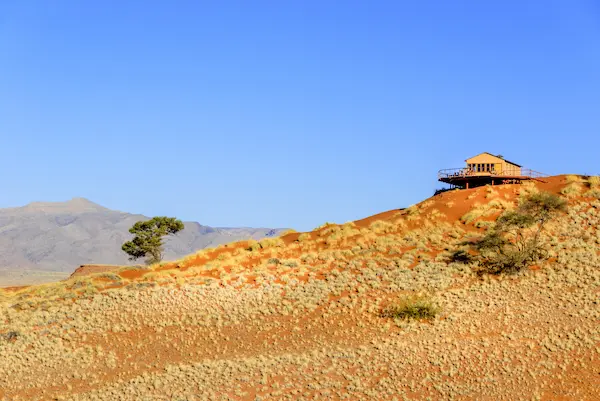 When to go
Dry season or green season, and the best time for Etosha and the dunes.
Where to stayInside the park or outside the gate, from camping to luxury.
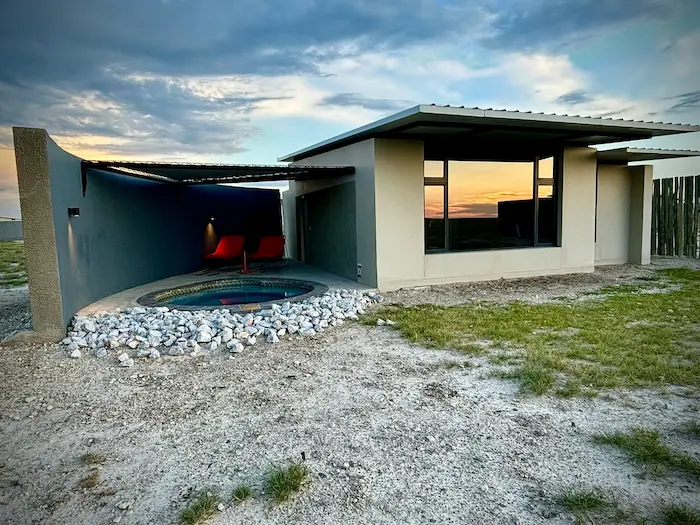 Etosha
Camps inside the park versus lodges outside the gates.
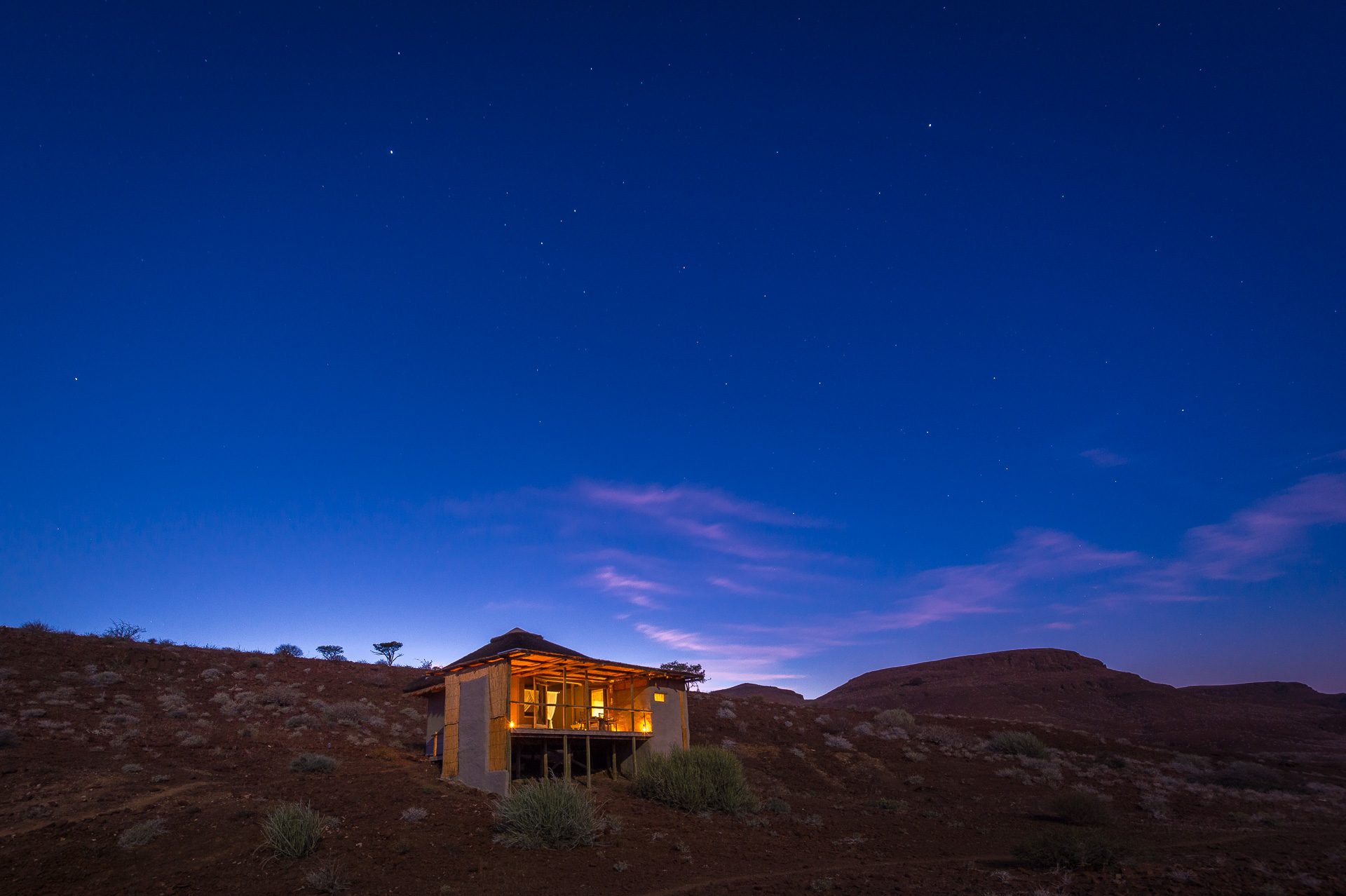
Send us a few details and a Namibia specialist will reply with ideas and a personal quote. Planning is free, and you only pay a deposit once you're ready to book.