When travellers think of wildlife in Namibia, Etosha National Park usually comes first. But Namibia's wildlife experiences extend far beyond its famous salt pan. From desert-adapted elephants in Damaraland to hippos along the rivers of the Zambezi Region and enormous seal colonies on the Atlantic coast, the country offers remarkable opportunities to experience wildlife in very different landscapes. Here are seven places worth exploring beyond Etosha.
At a glance
- Best for desert-adapted elephants: Damaraland
- Best for river wildlife: Bwabwata National Park
- Best for wetland safaris: Nkasa Rupara National Park
- Best for a quieter river safari: Mudumu National Park
- Best for seals: Cape Cross Seal Reserve
- Best for desert wildlife and wilderness: Skeleton Coast National Park
- Best for rhino conservation experiences: Palmwag and surrounding conservancies
Where can you see wildlife in Namibia besides Etosha?
Etosha National Park is often the first destination travellers think of when planning a Namibia safari.
And for good reason. Its famous waterholes, expansive salt pan and wildlife populations make it one of southern Africa's best-known safari destinations.
But Namibia's wildlife story doesn't end at Etosha.
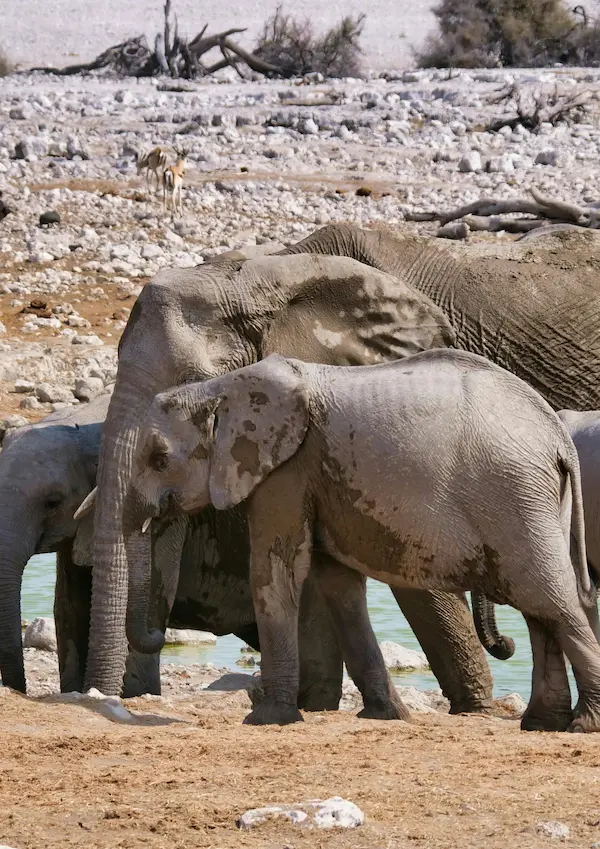
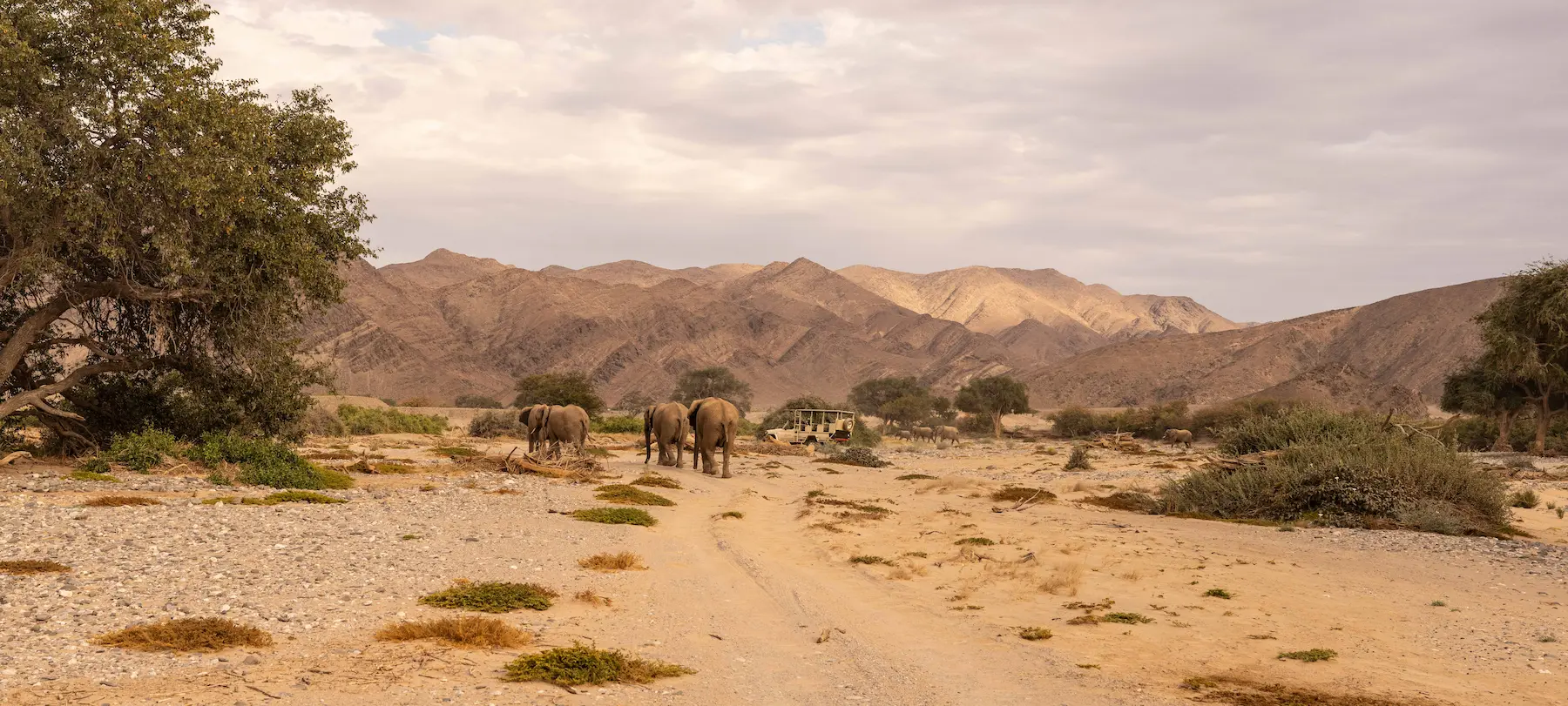
Travel west towards Damaraland, and you enter a landscape where desert-adapted elephants move through dry riverbeds.
Head northeast to the Zambezi Region, and the scenery changes completely. Rivers, floodplains and woodlands provide habitats for hippos, buffalo, elephants and numerous bird species.
Along the Atlantic coast, enormous colonies of Cape fur seals gather on rocky beaches.
These different environments make Namibia an extraordinary destination for travellers interested in more than one type of safari.
Here are seven wildlife destinations worth considering beyond Etosha.
1. Damaraland: Desert-adapted elephants and dramatic landscapes
Damaraland is one of Namibia's most fascinating regions.
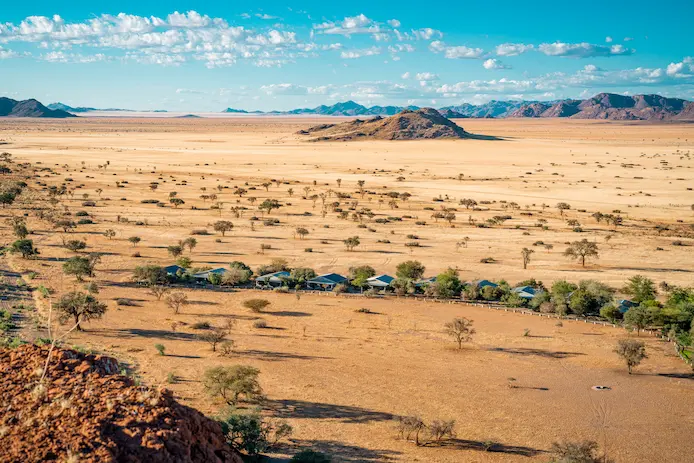
Unlike the open plains of Etosha, this area is characterised by rocky mountains, dry riverbeds and vast semi-arid landscapes.
One of its most remarkable wildlife experiences is searching for desert-adapted elephants.
What makes Damaraland's elephants special?
These elephants have adapted their behaviour and movements to survive in an environment where water and vegetation can be scarce.
They travel through seasonal river systems in search of food and water, sometimes covering considerable distances.
They're African savanna elephants, not a separate species, but their ability to live in these dry conditions makes observing them particularly memorable.
What wildlife might you see?
Depending on the location and conditions, you may encounter:
- Desert-adapted elephants
- Giraffes
- Oryx
- Springbok
- Mountain zebras
- Various birds and smaller mammals
Wildlife sightings are unpredictable, and elephants may move far from areas where they were seen previously.
How should you explore Damaraland?
We recommend joining an experienced local guide for desert elephant tracking.
Guides understand the terrain and animal movements, and they can help visitors observe wildlife responsibly.
Never approach elephants closely or attempt to follow them independently through sensitive riverbed habitats.
How long should you stay?
Two nights is a good starting point, although three nights allows more flexibility.
Damaraland also offers attractions such as Twyfelfontein's ancient rock engravings and extraordinary geological landscapes.
Best for: Travellers who enjoy remote landscapes, unusual wildlife experiences and photography.
2. Bwabwata National Park: Namibia's river safari experience
Bwabwata National Park lies in northeastern Namibia and forms part of the wider Kavango-Zambezi conservation landscape.
It's very different from the country's famous desert destinations.
Here, rivers and woodlands support wildlife associated with wetter habitats.
What animals live in Bwabwata?
Depending on the section of the park, season and animal movements, visitors may see:
- Elephants
- Buffalo
- Hippos
- Crocodiles
- Antelope
- Numerous bird species
Predators also occur in the wider landscape, although sightings aren't guaranteed.
Why visit Bwabwata?
The park offers the opportunity to experience Namibia's greener side.
In suitable areas, visitors can combine game drives with river-based activities offered by nearby lodges and operators.
The scenery alone makes the journey worthwhile.
When is the best time to visit?
The dry season often provides good opportunities for wildlife viewing, but water levels, vegetation and animal movements vary.
Some river activities and access routes are affected by seasonal conditions.
Best for: Travellers interested in elephants, birdlife, river scenery and a different side of Namibia.
3. Nkasa Rupara National Park: Wetlands and wilderness
Nkasa Rupara National Park is located in Namibia's Zambezi Region, close to the Botswana border.
It's one of the country's lesser-known wildlife destinations.
The park's wetlands and seasonal floodplains create a completely different safari environment from Etosha.
What wildlife can you see?
The park provides habitat for animals including:
- Buffalo
- Elephants
- Hippos
- Crocodiles
- Various antelope species
- Waterbirds
Predators are also present, but sightings depend on conditions and luck.
What makes Nkasa Rupara different?
The park's seasonal flooding is central to its character.
At certain times of year, water can affect access and the areas visitors are able to explore.
This is not a destination where you should assume every road will be accessible in every season.
Our travel advice
Choose accommodation and activities carefully, and confirm local access conditions before travelling.
Guided excursions can be particularly valuable in this remote wetland environment.
Best for: Experienced safari travellers, birdwatchers and visitors looking for quieter wilderness experiences.
4. Mudumu National Park: Wildlife along the Kwando River
Mudumu National Park is another rewarding destination in the Zambezi Region.
The park protects woodland and riverine habitats associated with the Kwando River system.
It offers a peaceful alternative for travellers who want to explore northeastern Namibia.
What animals might you encounter?
Wildlife in the area includes elephants, buffalo, various antelope species and an impressive variety of birds.
Hippos and crocodiles occur in suitable river habitats.
As always, sightings depend on season, location and animal movements.
What can you do in the area?
Depending on your lodge and the activities available, you may enjoy guided game drives, birdwatching and river excursions.
How does Mudumu compare with Etosha?
Etosha is particularly well known for its open landscapes and waterhole viewing.
Mudumu offers a more wooded, river-influenced environment.
The two destinations complement each other rather than offering identical safari experiences.
Best for: Travellers seeking river scenery, birdlife and a quieter safari atmosphere.
5. Cape Cross Seal Reserve: Thousands of seals on the Atlantic coast
Not every wildlife experience in Namibia involves a game drive.
Cape Cross Seal Reserve, north of Swakopmund, is home to a large breeding colony of Cape fur seals.
It's one of the country's most unusual wildlife attractions.
What can you expect at Cape Cross?
Visitors can observe seals resting, swimming, interacting and moving along the shoreline.
During the breeding season, large numbers gather in the colony.
It's a fascinating opportunity to observe marine mammals in their natural coastal habitat.
When should you visit?
Seals can be seen throughout the year.
The breeding season, generally around November and December, can be especially active, although conditions and numbers vary.
What should you bring?
Bring a warm jacket, as the coast can be windy and cold.
A camera with a zoom lens is useful for photographing the animals without getting too close.
Be prepared for the colony's strong smell!
Can you visit from Swakopmund?
Yes. Cape Cross can be included in a coastal sightseeing excursion, provided you allow sufficient travel time.
Check opening hours and road conditions before departure.
Best for: Wildlife photography, marine wildlife and travellers looking for an unusual day trip.
6. Skeleton Coast National Park: Wildlife in an extreme environment
Namibia's Skeleton Coast is famous for its remote coastline, shipwrecks, fog and dramatic desert scenery.
But it's also part of a fascinating ecosystem.
What wildlife lives here?
Wildlife varies by location and habitat.
The wider coastal desert supports species such as brown hyenas, jackals, oryx and other animals adapted to arid conditions.
Marine birds and seals can also be found along the coast.
Some wildlife is difficult to observe, particularly in remote areas.
Is the Skeleton Coast a traditional safari destination?
Not really.
Visitors should think of it primarily as a wilderness and landscape experience, with wildlife encounters as an added possibility.
It's not comparable to Etosha's established waterhole safari experience.
Can you explore independently?
Access restrictions apply to different sections of Skeleton Coast National Park.
Some areas are accessible by road under specific conditions, while more remote sections require special arrangements or authorised operators.
Always confirm current access rules before planning your visit.
Best for: Adventurous travellers, photographers and visitors interested in remote desert ecosystems.
7. Palmwag: Rhino conservation and desert wildlife
Palmwag and its surrounding conservancy landscapes offer some of Namibia's most memorable conservation-focused experiences.
The area is known for rugged scenery, desert wildlife and opportunities to learn about the protection of endangered animals.
What makes Palmwag special?
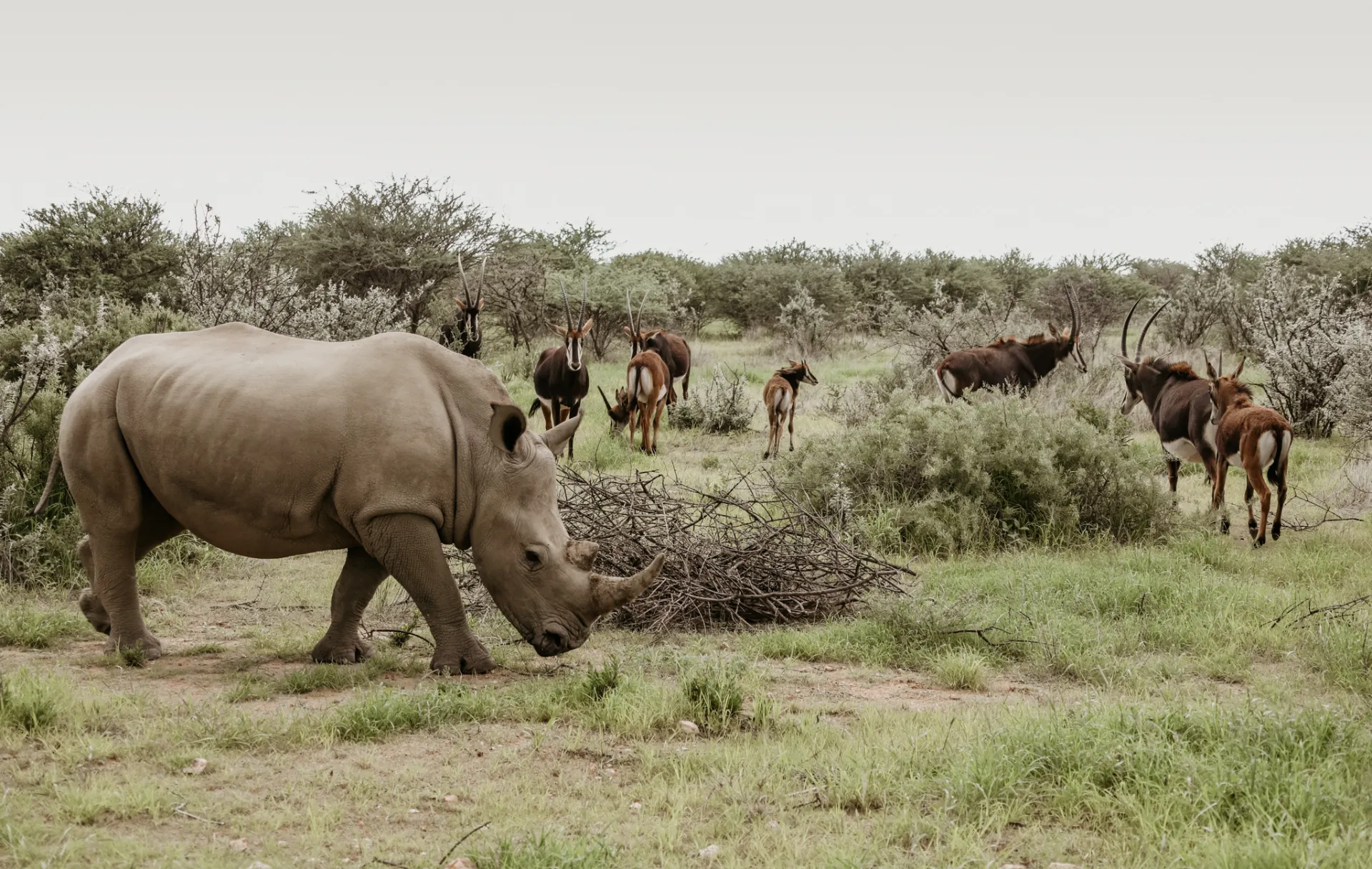
The wider region is important for the conservation of free-ranging black rhinos.
Some authorised operators offer guided rhino-tracking experiences that support conservation and responsible tourism.
Can you see black rhinos?
There are opportunities to see black rhinos in suitable areas, but sightings are never guaranteed.
Because rhinos are endangered and vulnerable to poaching, their exact locations should not be publicly shared.
Visitors should only participate in authorised activities led by qualified guides.
Other wildlife in the area
Depending on location and conditions, visitors may encounter giraffes, mountain zebras, oryx and other desert-adapted animals.
How long should you stay?
Two nights or more allows time to enjoy the landscapes and participate in available guided activities.
Best for: Conservation-minded travellers, remote safari experiences and desert wildlife.
Which wildlife destination in Namibia should you choose?
Each destination offers something different.
If your priority is seeing desert-adapted elephants, Damaraland is a strong choice.
For river wildlife and birdwatching, consider Bwabwata, Mudumu or Nkasa Rupara in the Zambezi Region.
If you're travelling along the Atlantic coast, Cape Cross is a worthwhile addition.
For remote landscapes and specialist wildlife experiences, consider Palmwag or the Skeleton Coast.
The best choice depends on your interests, travel dates, budget and how much time you have available.
Can you combine Etosha with other wildlife destinations?
Absolutely.
In fact, combining Etosha with another wildlife region can make your Namibia safari much more varied.
A 10-day Namibia itinerary
A longer classic itinerary might include:
- Windhoek
- Etosha National Park
- Damaraland or Palmwag
- Swakopmund
- Sossusvlei
- Return to Windhoek
This route combines traditional wildlife viewing, desert-adapted animals, coastal scenery and the Namib Desert.
Allow enough time for travel between destinations.
A 14-day wildlife-focused Namibia itinerary
If wildlife is your main priority, consider spending more time in Etosha, Damaraland and northeastern Namibia.
However, the Zambezi Region is far from Namibia's central and western tourist routes.
Combining all these destinations with Sossusvlei and the coast requires a carefully planned itinerary, and often more time than travellers initially expect.
Rather than rushing, choose the regions that interest you most.
What is the best time to see wildlife beyond Etosha?
The ideal travel season depends on the habitat and species you want to experience.
May to October: Dry-season wildlife viewing
Across many parts of Namibia, the dry season offers favourable conditions for game viewing.
Vegetation may be less dense, and animals often gather around available water sources.
This can be particularly useful in inland wildlife areas.
November to April: Green-season experiences
Rainfall can transform parts of northern and northeastern Namibia.
The landscapes become greener, and birdwatching can be particularly rewarding.
However, flooding and muddy roads may affect access to some remote parks.
What about coastal wildlife?
Cape Cross can be visited throughout the year, although breeding activity changes seasonally.
For marine excursions, weather and ocean conditions are important considerations.
Is it better to explore these places with a guide?
Some wildlife destinations are suitable for independent travellers who have the right vehicle, preparation and experience.
Others are best explored with qualified local guides.
Guided experiences are particularly valuable when tracking desert-adapted elephants, visiting sensitive conservation areas or travelling through remote wetland environments.
Guides can also help visitors understand wildlife behaviour and local conservation efforts.
If you're planning to self-drive, confirm road access, vehicle requirements and accommodation availability before departure.
Responsible wildlife tourism in Namibia
Namibia is internationally recognised for its community-based conservation initiatives.
In many areas, local conservancies play an important role in wildlife management and tourism.
As a visitor, you can support responsible tourism by choosing reputable operators, respecting wildlife and following local regulations.
Never feed wild animals, approach them for photographs or pressure a guide to get closer than is safe.
Wildlife experiences should benefit conservation and local communities wherever possible.
Final thoughts: Namibia offers much more than one safari destination
Etosha deserves its reputation, but some of Namibia's most fascinating wildlife experiences happen far beyond the national park.
Imagine following the tracks of desert-adapted elephants in Damaraland, watching hippos along a river in the Zambezi Region or standing near a vast colony of seals on the Atlantic coast.
Each experience reveals a different side of Namibia.
And that's what makes exploring beyond Etosha so rewarding.
Explore Namibia's wildlife with Tourgy Tourz Namibia
At Tourgy Tourz Namibia, we help travellers plan wildlife-focused holidays that go beyond the usual safari routes.
Whether you're interested in Etosha, Damaraland, the Zambezi Region or a longer journey combining several destinations, we can help you build an itinerary around your interests and travel dates.
We arrange self-drive holidays, guided safaris and selected transport and accommodation services.
Ready to discover more of Namibia?
Contact Tourgy Tourz Namibia to start planning your wildlife adventure.
Frequently asked questions
Where can you see wildlife in Namibia besides Etosha?
Popular alternatives include Damaraland, Bwabwata National Park, Mudumu National Park, Nkasa Rupara National Park, Palmwag and Cape Cross Seal Reserve.
Where can you see desert-adapted elephants in Namibia?
Damaraland is one of the best-known regions for guided desert-adapted elephant tracking. Sightings depend on animal movements and local conditions.
Can you see hippos in Namibia?
Yes. Hippos occur in river and wetland habitats in northeastern Namibia, particularly in parts of the Zambezi Region.
Where can you see seals in Namibia?
Cape Cross Seal Reserve, north of Swakopmund, is famous for its large colony of Cape fur seals.
Can you see rhinos outside Etosha?
Yes. The Palmwag region and surrounding conservancy landscapes are important for black rhino conservation. Authorised guided tracking experiences may be available.
Is the Zambezi Region worth visiting for wildlife?
Yes. Its rivers, wetlands and woodlands provide opportunities to see elephants, buffalo, hippos, birds and other wildlife in a very different setting from Etosha.
How many days do you need for a Namibia wildlife safari?
Seven days can cover a few highlights, while ten to fourteen days allows more destinations. Exploring both western Namibia and the Zambezi Region usually requires additional time or a carefully focused route.
Plan your Namibia trip
Tell us your dates and wish list, and our Namibia team will plan the rest.
WhatsApp Us Send your trip details