July to October is one of the most popular periods for exploring Namibia, particularly for travellers planning wildlife safaris in Etosha National Park. Dry conditions, clear skies and exceptional landscapes make these months attractive, but there are important differences between a cold July morning and a hot October afternoon. Here's how to plan your Namibia holiday during the peak safari season.
At a glance
- Travel period: July to October
- Best known for: Dry-season wildlife viewing
- Etosha: Animals often concentrate around permanent waterholes
- July–August: Cold mornings and nights, generally pleasant days
- September: Dry conditions with warming temperatures
- October: Often hot, with the possibility of early rains
- Accommodation: Book popular lodges well ahead
- Best suited to: Wildlife lovers, first-time visitors and photographers
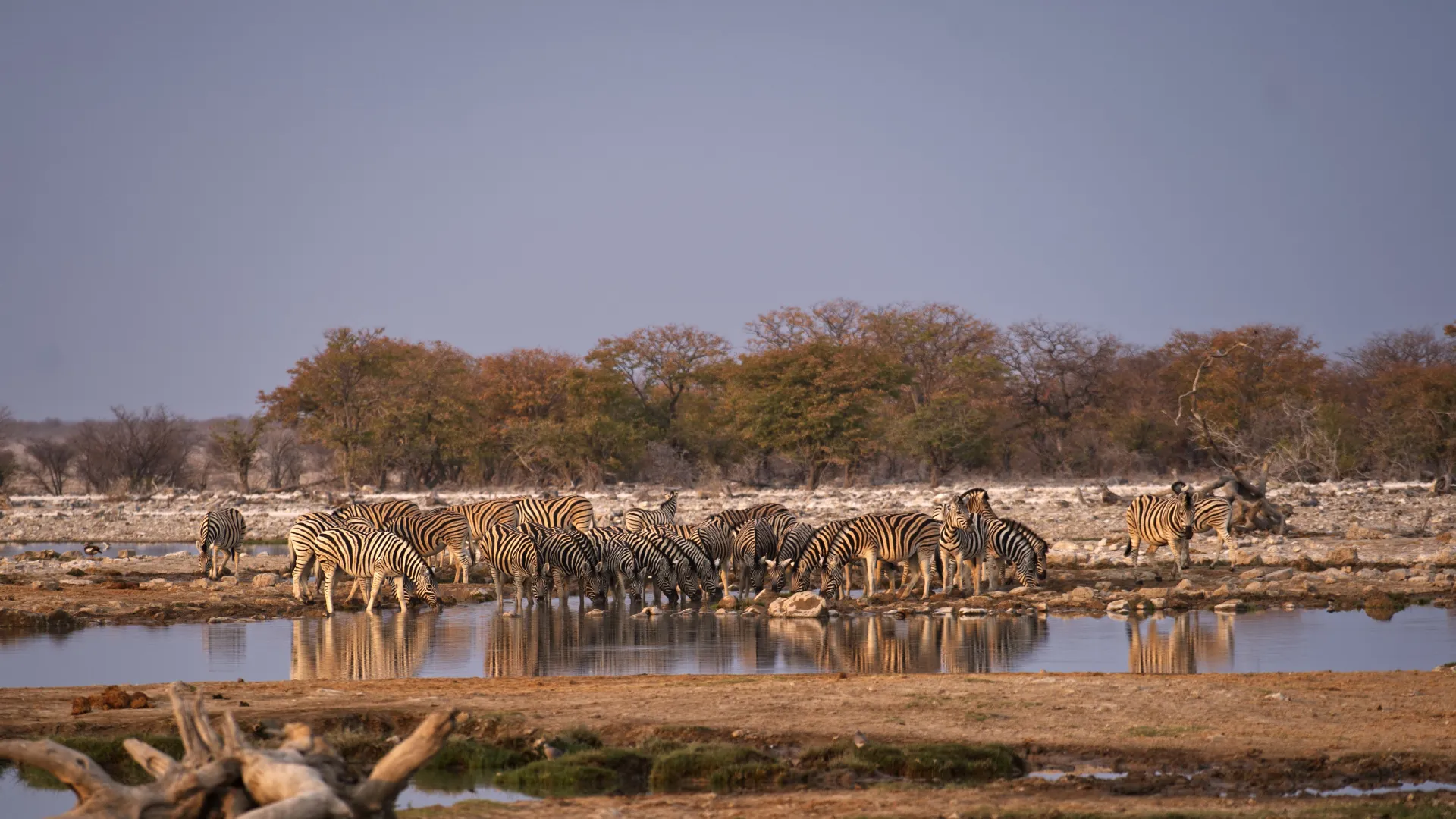
7-Day Namibia Highlights SafariAll Namibia toursPHOTO: etosha-king-nehale-waterhole.webp | Looking over a natural water source for zebras and other wildlife in Namibia.
Why is July to October a popular time to visit Namibia?
If you're planning your first Namibia safari, you've probably noticed that July, August, September and October appear frequently in travel recommendations.
There's a good reason.
These months fall within the country's dry-season safari period, when wildlife viewing in Etosha National Park can be particularly rewarding.
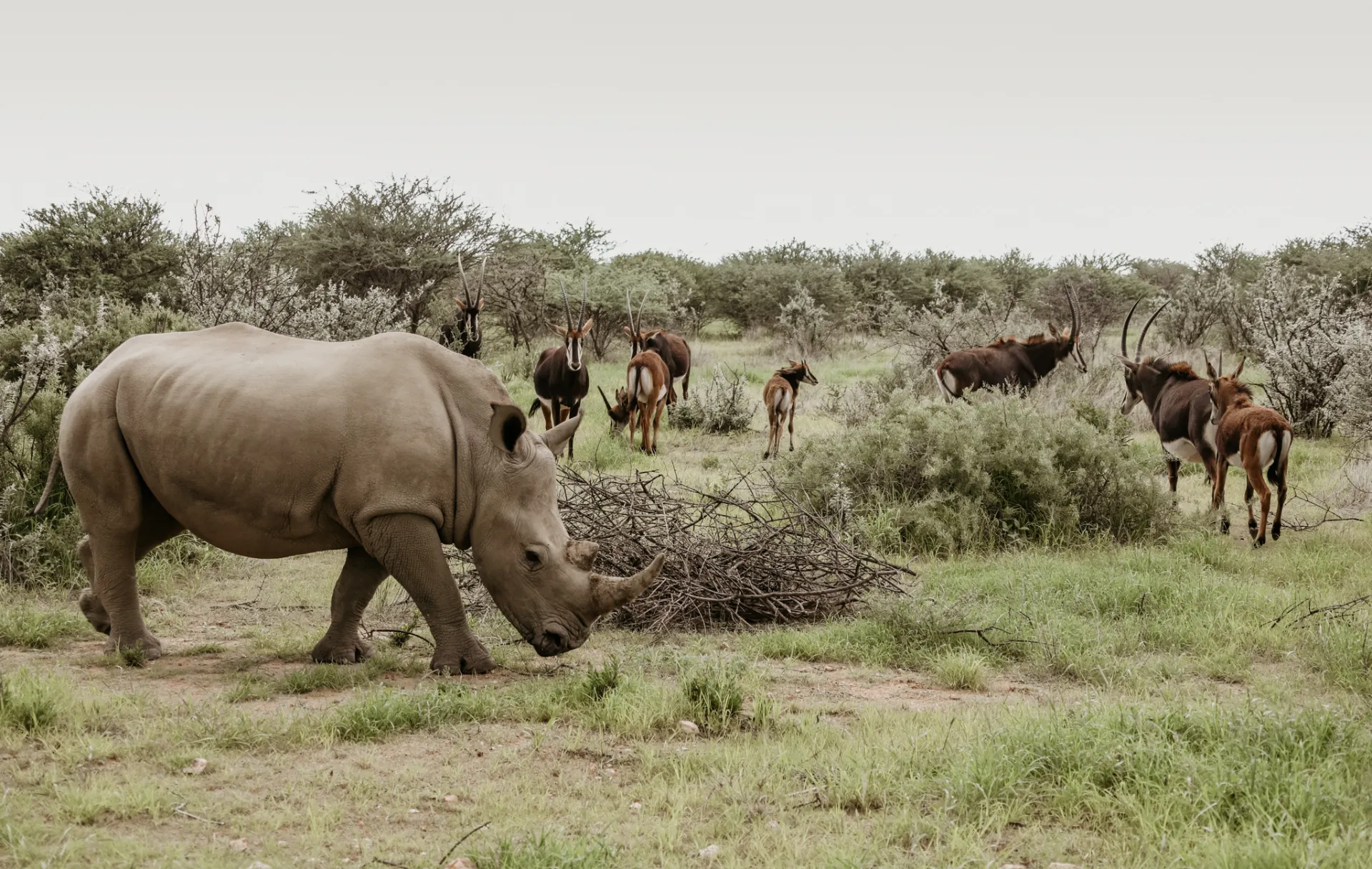
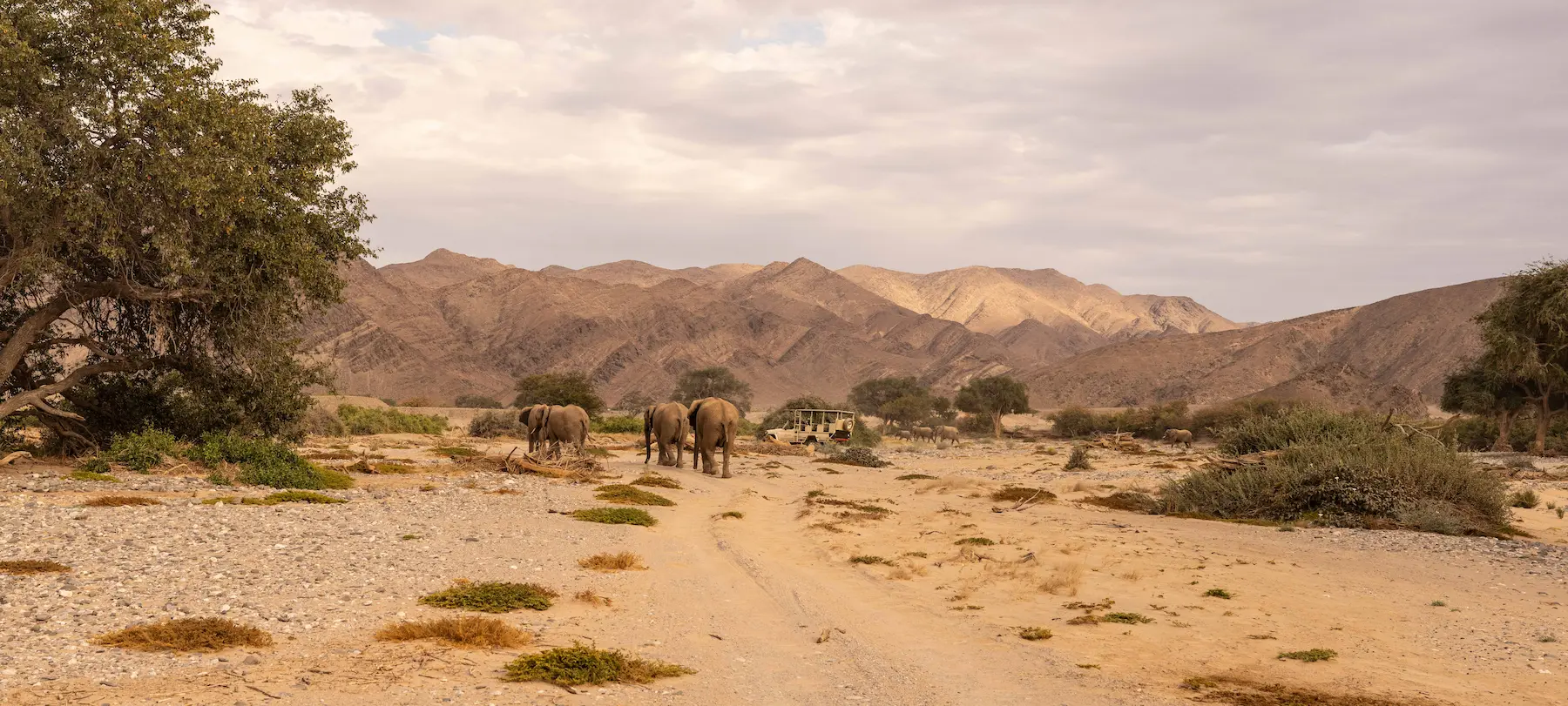
As seasonal water sources dry up, animals increasingly visit permanent waterholes. This gives visitors opportunities to observe elephants, giraffes, zebras, antelope and sometimes predators.
The weather also makes a difference. July and August generally offer cooler daytime conditions, while September and October bring warmer temperatures.
But peak season comes with trade-offs. Popular accommodation may be fully booked, rates can be higher and travellers need to plan further ahead.
At Tourgy Tourz Namibia, we believe the best holiday isn't simply about choosing the most popular month. It's about choosing the right month for the experiences you want.
When is peak season in Namibia?
For classic wildlife safaris, July to October is commonly described as Namibia's high season.
However, tourism demand varies across the country.
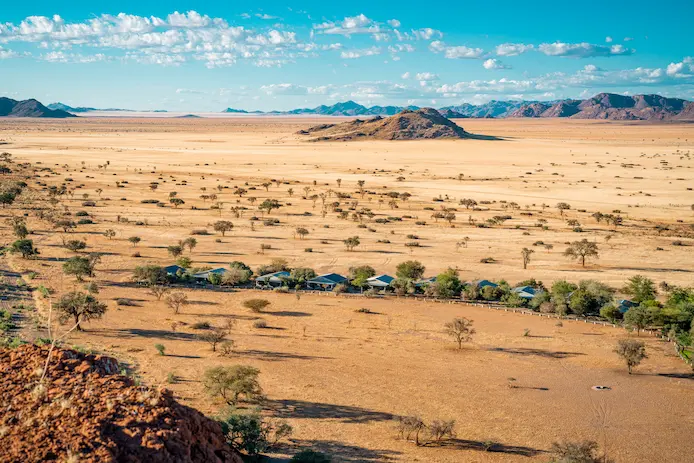
Etosha, Sossusvlei and well-known safari lodges often experience strong demand during these months. Coastal destinations can also become busy during holiday periods outside this window.
The country's busiest tourism months are not identical every year, and December can be especially popular with regional holidaymakers.
For travellers interested primarily in wildlife, though, July to October remains an important planning period.
Namibia in July: Winter safari conditions
July is firmly within Namibia's winter.
Rainfall is generally very low across most inland areas, and the skies are often clear.
Daytime conditions can be comfortable for sightseeing, but early mornings and evenings can be extremely cold.
In some desert and inland areas, overnight temperatures may approach or fall below freezing.
Wildlife viewing in July
As the dry season progresses, animals become increasingly dependent on reliable water sources.
Etosha can offer rewarding wildlife sightings, particularly around established waterholes.
However, sightings depend on rainfall patterns, animal movements and luck.
What to pack in July
Bring warm jackets, long trousers and layers for early game drives.
You will still need sunscreen, sunglasses and lightweight clothing for sunny afternoons.
Who should visit in July?
July suits travellers who enjoy cooler weather, wildlife safaris and outdoor sightseeing.
It's particularly appealing if you prefer avoiding the intense heat of late spring and summer.
Namibia in August: Excellent wildlife opportunities
August is one of the most sought-after months for a Namibia safari.
Conditions are generally dry, and wildlife viewing in Etosha can be excellent.
Animals may gather around permanent waterholes, while thinner vegetation can make some sightings easier.
What is the weather like?
August mornings can still be cold, especially on open safari vehicles.
Daytime temperatures gradually increase as the month progresses.
Dry winds and dust are also possible.
Why book August early?
Many international travellers visit Namibia during this period.
Accommodation around Etosha, Sossusvlei and other popular destinations can be in high demand.
If you have a particular lodge in mind, it's worth checking availability as early as possible.
Namibia in September: Wildlife and warmer days
September is one of our favourite months to consider for a wildlife-focused itinerary.
The landscape is generally dry, temperatures begin rising and wildlife may be strongly concentrated around reliable water sources.
What makes September special?
In Etosha, waterhole viewing can be particularly rewarding.
The warmer weather also makes some early mornings more comfortable than in midwinter.
However, afternoons can become hot, particularly towards the end of the month.
Is September busy?
Yes, it can be.
September remains a popular safari month, and sought-after accommodation may be booked well in advance.
Don't assume that travelling after the European summer holiday period automatically means lower prices or easier availability.
Namibia in October: Hot weather and rewarding safaris
October is a transition month.
It's often one of the hottest periods of the year in inland Namibia, particularly before the first substantial rains arrive.
Wildlife viewing can remain excellent while dry conditions continue.
But once seasonal rains begin, animals may gradually spread away from permanent waterholes.
Is October too hot for Namibia?
Not necessarily, but travellers should prepare for high temperatures.
In some inland and desert areas, daytime temperatures can exceed 35°C.
Plan strenuous activities for cooler parts of the day, carry drinking water and allow time to rest.
Is October still peak season?
For many safari itineraries, October is treated as part of the high season.
However, some properties use different seasonal pricing periods.
Always check the specific dates and rates rather than assuming that every lodge follows the same calendar.
Is Etosha better during peak season?
If your main goal is to observe large mammals, the dry season generally provides some of the best opportunities.
Etosha's permanent waterholes become increasingly important as temporary water sources disappear.
This can make wildlife movements more predictable.
You may see elephants drinking, herds of zebra and springbok gathering or giraffes approaching cautiously.
Lions and other predators are present, although sightings are never guaranteed.
How many nights should you spend in Etosha?
For a first visit, we generally recommend at least two nights.
Three nights or more allows you to explore additional areas and spend more time at waterholes.
Remember that wildlife viewing is about patience. A longer stay gives you more opportunities without rushing.
Is Sossusvlei worth visiting during peak season?
Absolutely.
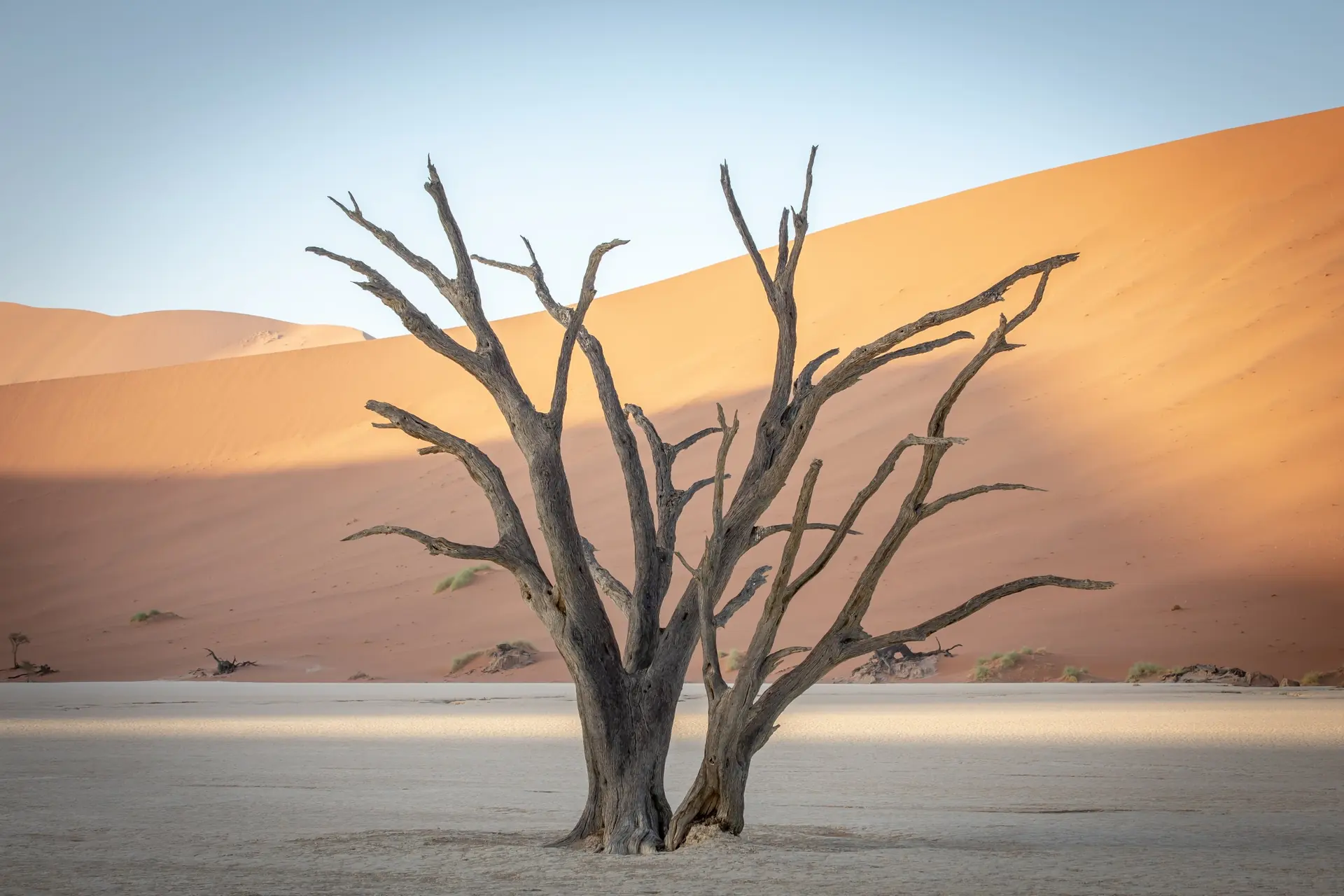
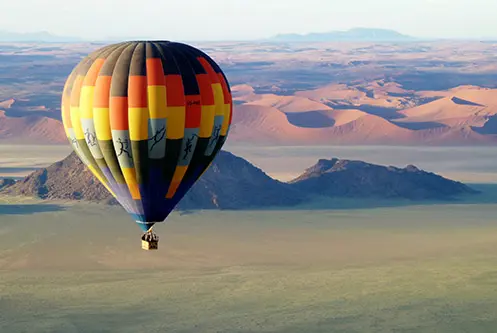
Sossusvlei and Deadvlei are spectacular throughout the year.
During July and August, cooler daytime temperatures can make walking among the dunes more comfortable.
September becomes warmer, while October can be very hot.
Visiting Dune 45 and Deadvlei
Early morning is usually a good time to explore.
The low sunlight creates beautiful contrasts across the red dunes, and temperatures are generally more manageable.
Bring comfortable walking shoes, sunscreen, a hat and drinking water.
If you want to photograph sunrise from within the park, check accommodation location and gate access arrangements before booking.
Not all lodges have the same access privileges.
What about Swakopmund and Walvis Bay?
The Atlantic coast is an excellent addition to a peak-season Namibia itinerary.
Swakopmund offers coastal sightseeing, restaurants and adventure activities.
Nearby Walvis Bay is known for marine excursions and the dramatic landscapes around Sandwich Harbour.
However, coastal weather is different from inland weather.
Fog, wind and cool temperatures are common, even when the desert interior is warm.
Pack a jacket regardless of which month you travel.
Are Namibia safaris more expensive in peak season?
They can be.
Many popular lodges use seasonal pricing, and some accommodation categories cost more during periods of strong demand.
However, there is no single peak-season price increase that applies to every property.
Your total holiday cost depends on accommodation, transport, activities, meals, park fees and travel dates.
How to manage your budget
Start by deciding which experiences matter most.
If Etosha wildlife viewing is your priority, you may prefer to spend more on accommodation near the park and choose simpler accommodation elsewhere.
If you're interested in Sossusvlei, consider how your lodge's location affects excursion times.
A thoughtfully planned itinerary can offer better value than choosing accommodation based only on the nightly rate.
How far ahead should you book?
For travel between July and October, we recommend beginning your planning approximately six to twelve months ahead where possible, especially if your dates are fixed or you want specific lodges.
This is planning advice, not a guarantee that accommodation will be unavailable later.
Some properties may still have space closer to departure, while particularly popular lodges can fill up much earlier.
What if your preferred lodge is unavailable?
Don't assume you have to cancel your trip.
An alternative lodge in the same area may work just as well, depending on location, facilities and your planned activities.
At Tourgy Tourz Namibia, we look at the overall itinerary rather than treating one accommodation choice as the entire holiday.
Is peak season suitable for self-drive travellers?
Yes.
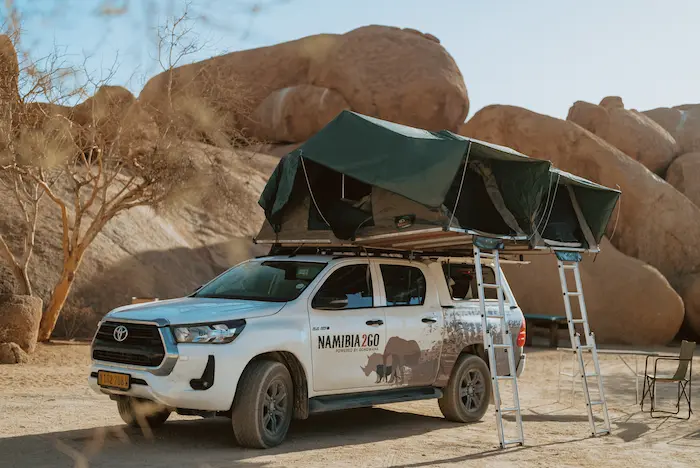
Dry conditions often make many established routes easier to manage than during periods of heavy rain.
However, Namibia's gravel roads still require careful driving.
Allow realistic travel times, carry sufficient water and avoid driving after dark.
If you're travelling in July or August, remember that daylight hours are shorter than in summer.
Prefer not to drive?
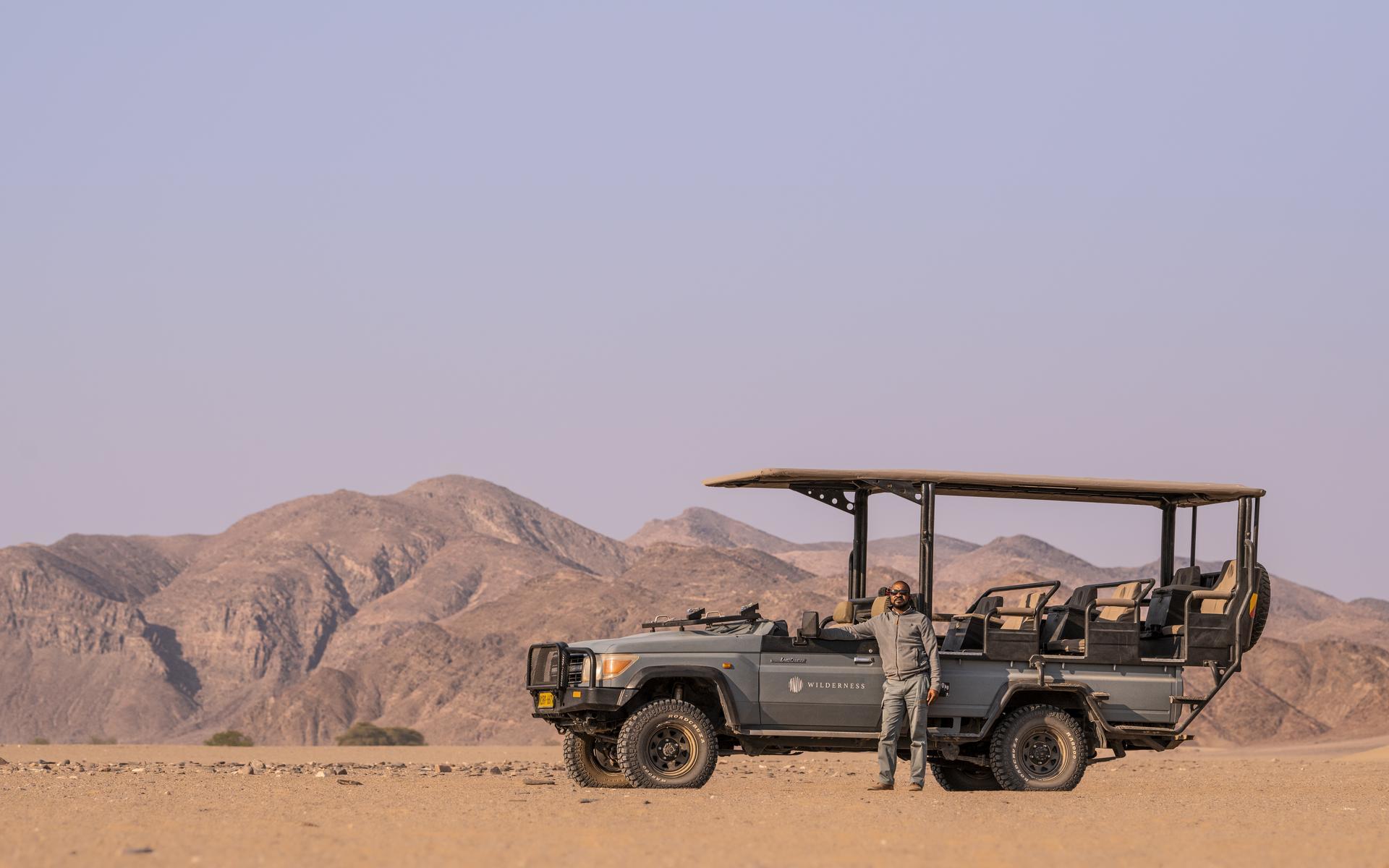
You can explore Namibia using guided tours, private transfers or shared-shuttle arrangements on suitable routes.
This can be particularly appealing for travellers who want to enjoy the scenery without managing long driving days.
Our recommended peak-season itinerary
For a first-time visitor with seven days, we recommend considering Namibia's classic highlights:
Days 1–2: Etosha National Park
Enjoy wildlife viewing and explore the park's waterholes.
Days 3–4: Swakopmund
Discover the Atlantic coast, with optional marine or desert activities.
Days 5–6: Sossusvlei
Explore the Namib Desert, Deadvlei and the surrounding landscapes.
Day 7: Return to Windhoek
Travel back to Windhoek for your onward arrangements.
This is a compact itinerary with some long travel days. If you have ten to twelve days, we recommend slowing the pace or including Damaraland.
Is peak season the best time for everyone?
Not necessarily.
July and August suit travellers who prefer cooler days and don't mind cold mornings.
September is attractive for wildlife viewing and warmer conditions.
October can be rewarding for safari travellers who are comfortable with hotter weather.
But if you're interested in green landscapes, birdwatching or potentially lower accommodation rates, another season may suit you better.
Plan your peak-season Namibia safari with Tourgy Tourz Namibia
Namibia's peak safari season is popular for a reason.
The wildlife, landscapes and clear winter skies create wonderful opportunities for a memorable holiday.
But planning ahead makes a difference, particularly when accommodation availability and long travel distances need to be considered.
At Tourgy Tourz Namibia, we help travellers create self-drive holidays, guided safaris and journeys using pre-arranged transport.
Whether you're planning seven days or a longer exploration, we'll help you choose a route that fits your travel dates, interests and budget.
Planning to visit Namibia between July and October?
Contact Tourgy Tourz Namibia with your preferred dates and number of travellers, and we'll help you explore the available options.
Frequently asked questions
When is peak safari season in Namibia?
July to October is commonly regarded as Namibia's peak safari period, especially for dry-season wildlife viewing. However, tourism demand and accommodation pricing vary by destination.
Which month is best for wildlife in Etosha?
August and September are often excellent months for waterhole viewing, although July and October can also be rewarding. Wildlife sightings are never guaranteed.
Is Namibia cold in July?
Yes. Early mornings and nights can be very cold, especially in desert and inland areas. Sunny afternoons are often much warmer.
Is Namibia too hot in October?
October can be extremely hot inland. Travel is still possible, but activities should be planned around the heat.
Are Namibia lodges more expensive in peak season?
Many properties charge higher seasonal rates, but prices vary by lodge and travel date.
How early should I book a Namibia safari for August?
For fixed dates and popular lodges, beginning six to twelve months ahead is sensible. Some accommodation may require even earlier planning.
Can I self-drive in Namibia during peak season?
Yes. Dry conditions are often favourable, but gravel roads, long distances and night driving still require caution.
Plan your Namibia trip
Tell us your dates and wish list, and our Namibia team will plan the rest.
WhatsApp Us Send your trip details