Namibia's quieter travel months offer a very different experience from the famous dry-season safari. Between November and April, summer temperatures rise, seasonal rains can transform inland landscapes and wildlife viewing takes on a different character. While some travellers prefer the dry season, the green months have plenty to offer, from dramatic skies and birdlife to potentially better accommodation value. Here's what to consider before booking.
At a glance
- Travel period: November to April, broadly the green season
- Quietest periods: Often January to March, depending on destination
- Weather: Hot inland, with seasonal rainfall in many regions
- Wildlife: More dispersed after good rains, with breeding activity and birdlife
- Sossusvlei: Beautiful year-round, but summer heat requires planning
- Coast: Cooler than inland regions, with busy festive holiday periods
- Pricing: Some lodges offer lower seasonal rates, but not all
- Best suited to: Photographers, birdwatchers and flexible travellers
Is Namibia worth visiting during the low season?
Absolutely, provided you choose the right itinerary for the time of year.
Many travellers associate Namibia with dry landscapes, clear skies and wildlife gathering around Etosha's waterholes.
But the country has another side.
During the summer months, rainfall can bring fresh vegetation to parts of the interior, clouds gather over the desert and seasonal water sources return.
The landscapes can look completely different from those seen in the middle of the dry season.
For travellers who enjoy photography, birdwatching, quieter experiences and flexible itineraries, this can be a rewarding time to visit.
However, the green season also brings higher temperatures, unpredictable rainfall and occasional road-access challenges.
Understanding these differences is the key to planning a successful holiday.
When is Namibia's low season?
Namibia's green or rainy season broadly runs from November to April.
However, low season and rainy season don't mean exactly the same thing.
The main rainfall period is generally concentrated between December and April, although the timing varies considerably.
Many safari properties regard parts of this period as low season, but pricing calendars differ.
December is particularly important to understand.
While some safari destinations may be quieter, the Christmas and New Year holiday period can be extremely busy, especially along the coast.
For travellers seeking lower rates and fewer visitors, January to March may offer better opportunities at selected properties.
Always check the dates and accommodation before assuming that low-season prices apply.
What is Namibia's weather like from November to April?
Summer in Namibia is generally hot.
In inland areas, daytime temperatures can exceed 35°C, particularly before rainfall brings some relief.
Rain often arrives as localised showers or thunderstorms, rather than continuous rain throughout the day.
However, rainfall varies greatly between regions and from one year to another.
Northern and northeastern Namibia generally receive more rain than the arid western and southern regions.
The Atlantic coast follows a different weather pattern, with cooler conditions influenced by the ocean.
Does it rain every day?
No.
A visit during the rainy season doesn't necessarily mean days of uninterrupted rain.
You may experience sunny mornings, afternoon clouds and occasional thunderstorms.
Other days may remain completely dry.
That said, heavy rain can occur, and remote roads or low-water crossings may become unsafe or impassable.
Keep some flexibility in your itinerary.
Namibia in November: The transition into summer
November is a transition month.
Temperatures can be very high, especially inland.
The first substantial rains may arrive, although their timing is unpredictable.
What should you expect?
Some areas may still look very dry, while others begin turning green after early rainfall.
Wildlife viewing in Etosha can remain rewarding, particularly before widespread rain creates additional water sources.
Once rain becomes more established, animals may spread into a wider area.
Is November a cheap month to travel?
Not automatically.
Some properties may begin offering different seasonal rates, while others maintain high-season pricing.
November can also attract substantial visitor numbers, so don't assume it will always be quiet.
Namibia in December: Summer holidays and changing landscapes
December brings summer temperatures and the possibility of thunderstorms across much of inland Namibia.
After sufficient rain, vegetation begins recovering and seasonal landscapes become greener.
Is December low season?
Not everywhere.
The festive period attracts holidaymakers, particularly from Namibia and neighbouring countries.
Swakopmund, Walvis Bay and other coastal destinations can be busy.
Accommodation prices may rise during Christmas and New Year, and availability can become limited.
Who should visit in December?
December can suit families travelling during school holidays and visitors who enjoy the summer atmosphere.
However, advance booking is important, especially for coastal accommodation.
Namibia in January: Green landscapes and birdlife
January is part of the main summer rainfall period.
In areas that receive good rain, vegetation can become lush, seasonal pans may hold water and wildlife movements change.
What is Etosha like in January?
Etosha can look very different from its dry-season appearance.
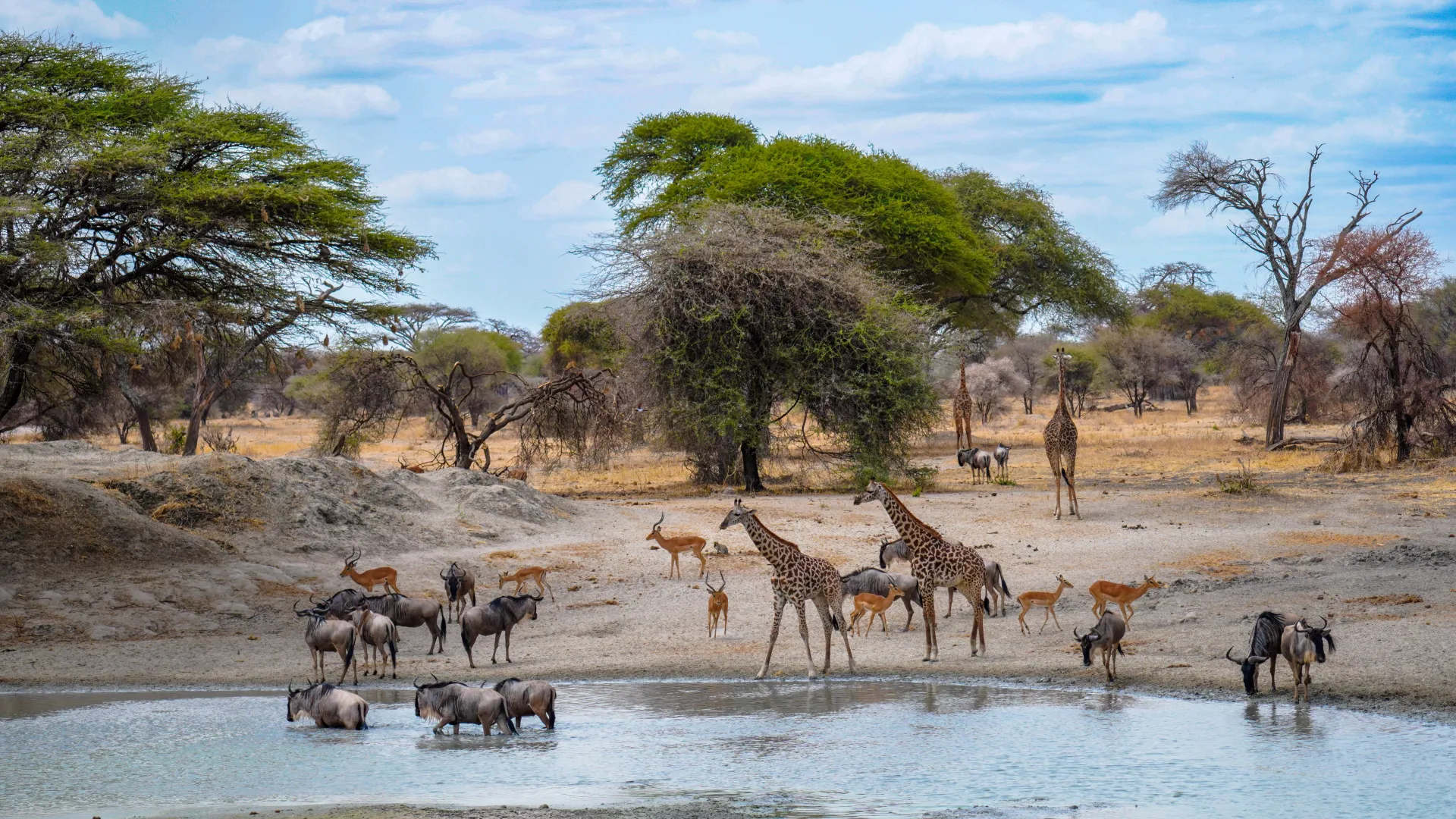
After sufficient rain, animals may spread across the park instead of gathering around permanent waterholes.
This can make large-mammal sightings less predictable.
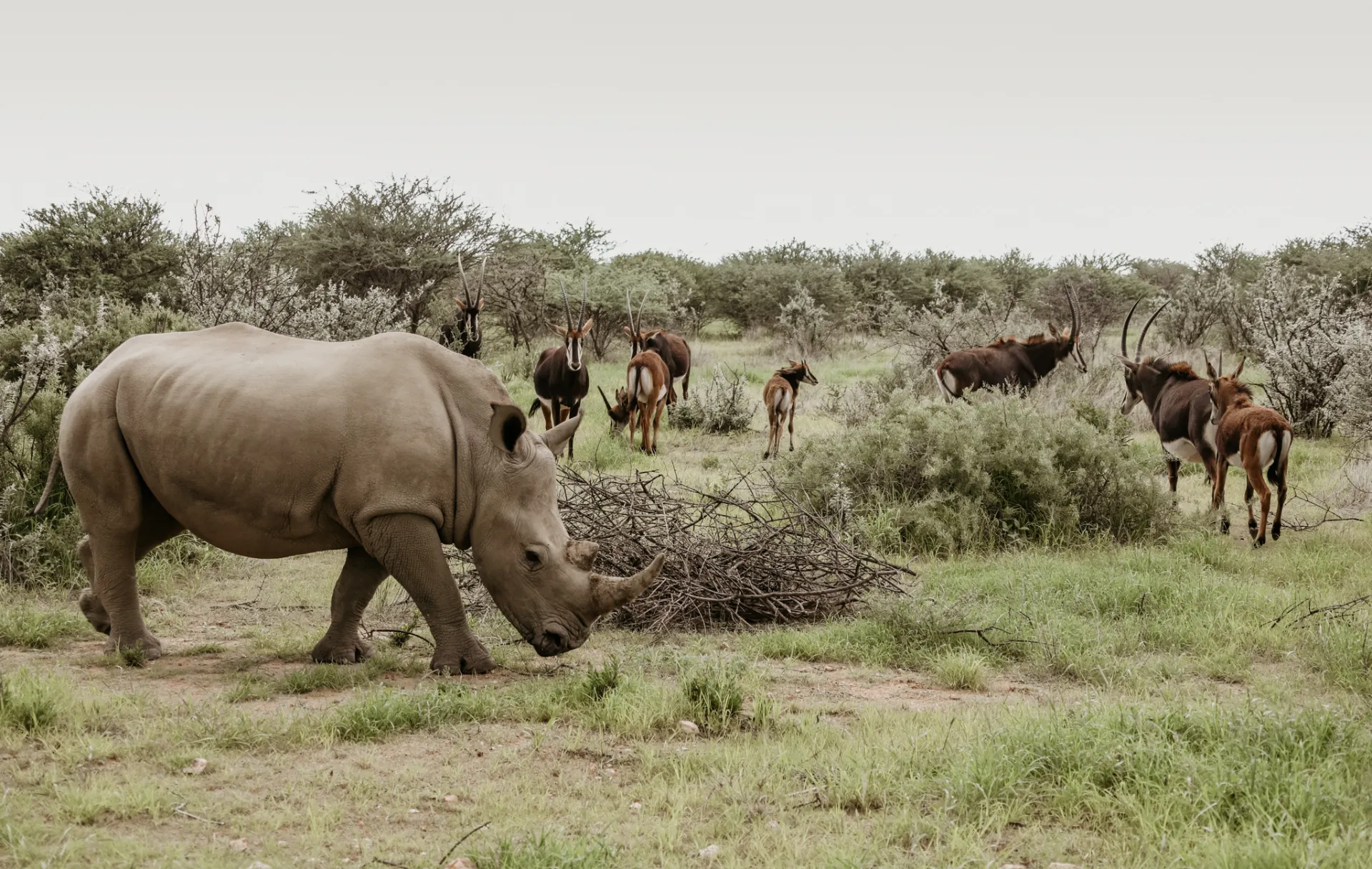
However, the green landscapes, birdlife and breeding activity can make the experience rewarding in other ways.
Is January suitable for photography?
Yes.
Cloud formations, fresh vegetation and changing light can create beautiful landscape photography opportunities.
Be prepared to protect your camera equipment during rain and dusty conditions.
Namibia in February: Summer rainfall and wildlife
February is often one of the wetter months in parts of Namibia.
The extent of rainfall varies by region and year.
What can you expect?
Inland landscapes may be green, while some gravel roads become muddy or difficult to access.
Wildlife is still present in Etosha, but animals may be more widely dispersed.
For birdwatchers, the green season can be particularly interesting because of migratory birds and breeding activity.
Should you self-drive in February?
Self-driving is possible on suitable routes, but extra planning is important.
Check weather forecasts, road conditions and your rental company's restrictions.
Avoid attempting flooded river crossings or driving on roads that have been closed.
A guided itinerary may be preferable for travellers who aren't comfortable managing changing road conditions.
Namibia in March: A beautiful late-summer option
March can offer attractive green-season scenery, depending on the rainfall received earlier in the summer.
Temperatures may begin easing gradually, although hot days remain possible.
Why consider March?
Some travellers enjoy the combination of green landscapes, birdlife and potentially quieter accommodation.
It's also a good time to consider a slower itinerary with fewer destinations.
Is March suitable for Etosha?
Yes, but your expectations should be different from those of a September safari.
Rather than expecting animals to gather at the same waterholes, enjoy the wider ecosystem and the seasonal changes.
Namibia in April: Transition towards the dry season
April often marks the gradual transition out of the rainy season.
Rainfall generally decreases, although showers can still occur.
The landscape may remain green after a good rainy season.
Why April is worth considering
April can offer a pleasant balance of scenery and improving travel conditions.
It's a useful month for travellers who prefer greener landscapes but want to avoid some of the hottest summer conditions.
However, road access in remote areas still depends on recent rainfall.
Is April low season?
Some properties may offer shoulder-season rather than low-season rates.
Easter holidays can also create periods of stronger demand.
Always compare prices for your actual travel dates.
Is Etosha worth visiting in the green season?
Yes, but it offers a different wildlife experience.
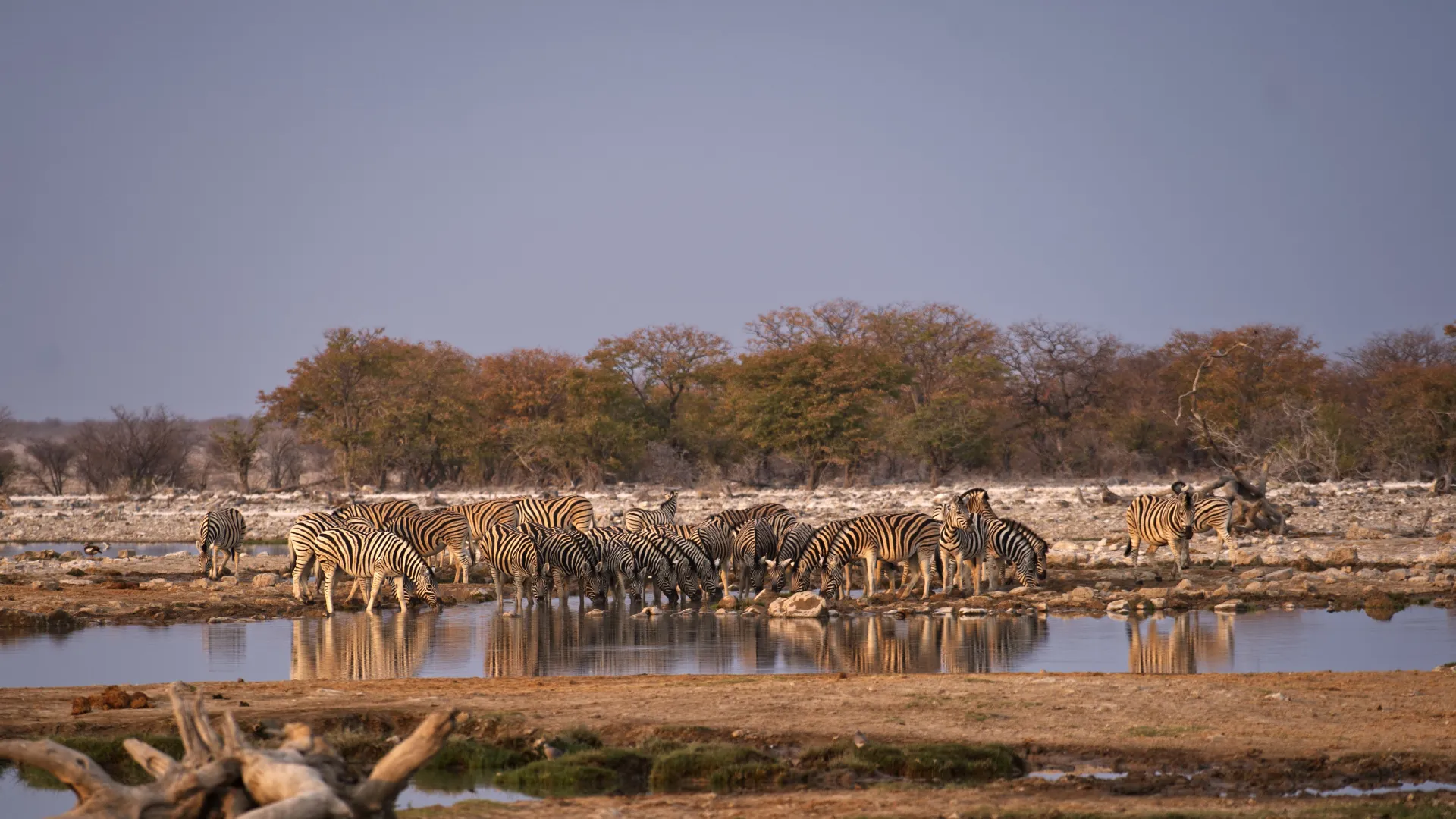
During the dry season, permanent waterholes are important gathering places.
After good summer rainfall, seasonal water becomes available across a much wider area.
Animals can disperse, and vegetation may make sightings more challenging.
What makes the green season special?
You may enjoy fresh landscapes, seasonal birdlife and opportunities to observe breeding behaviour and young animals.
However, no particular sighting can be guaranteed.
Should first-time safari travellers choose the green season?
If seeing large numbers of mammals around waterholes is your main priority, the later dry season may be a stronger choice.
If you're interested in photography, birdwatching and seasonal landscapes, the green season can be very rewarding.
Can you visit Sossusvlei during the low season?
Yes.
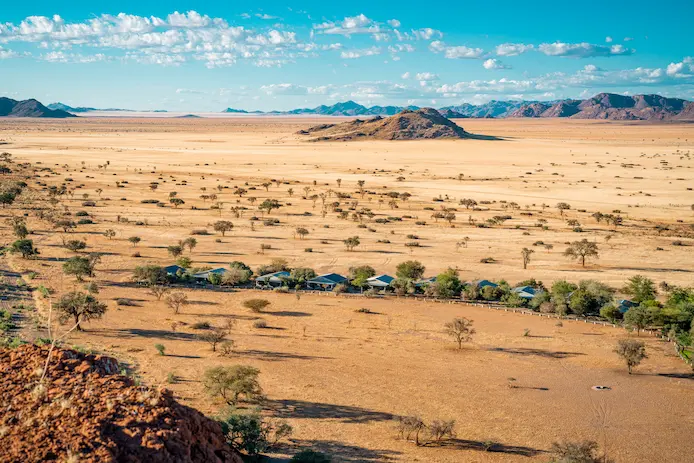
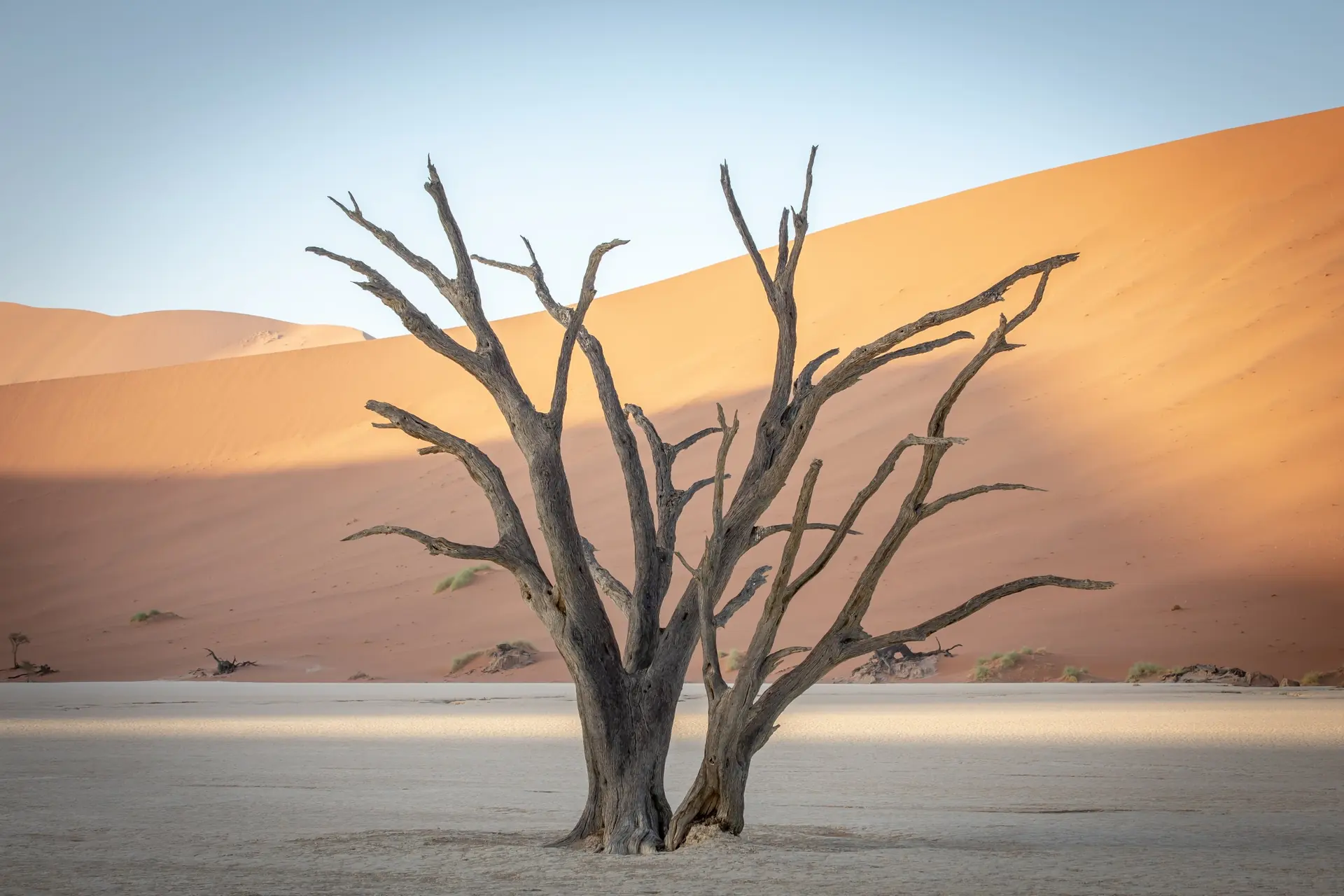
Sossusvlei is a year-round destination, and the dunes remain spectacular in summer.
However, heat is an important consideration.
How hot does Sossusvlei get?
Summer temperatures can become extremely high, especially during the middle of the day.
Plan dune walks and sightseeing for the cooler morning hours.
Carry sufficient drinking water and protect yourself from the sun.
Does it rain in Sossusvlei?
Rainfall is relatively limited compared with northern and northeastern Namibia, but occasional storms do occur.
In unusual wet conditions, parts of the desert can look very different, and temporary water may collect in low-lying areas.
Do not plan your holiday around seeing water in Sossusvlei or Deadvlei, as these events are unpredictable.
Is Deadvlei open in summer?
The area is generally visited throughout the year, subject to park rules, weather and access conditions.
Check current gate times and the requirements for the final sandy section of the route.
Is Swakopmund a good destination in summer?
Yes, and for a different reason from the inland desert.
The cold Atlantic Ocean helps moderate coastal temperatures.
Swakopmund and Walvis Bay can therefore offer welcome relief from inland summer heat.
What can you do?
Popular experiences include marine cruises, guided Sandwich Harbour excursions, quad biking and coastal sightseeing.
Activities depend on weather, tides and operator availability.
Is the coast quiet during low season?
Not necessarily.
December and early January can be busy because of the festive holidays.
If you want a quieter coastal stay, consider dates outside major holiday periods.
What about Damaraland and the Zambezi Region?
These areas require more careful seasonal planning.
Damaraland
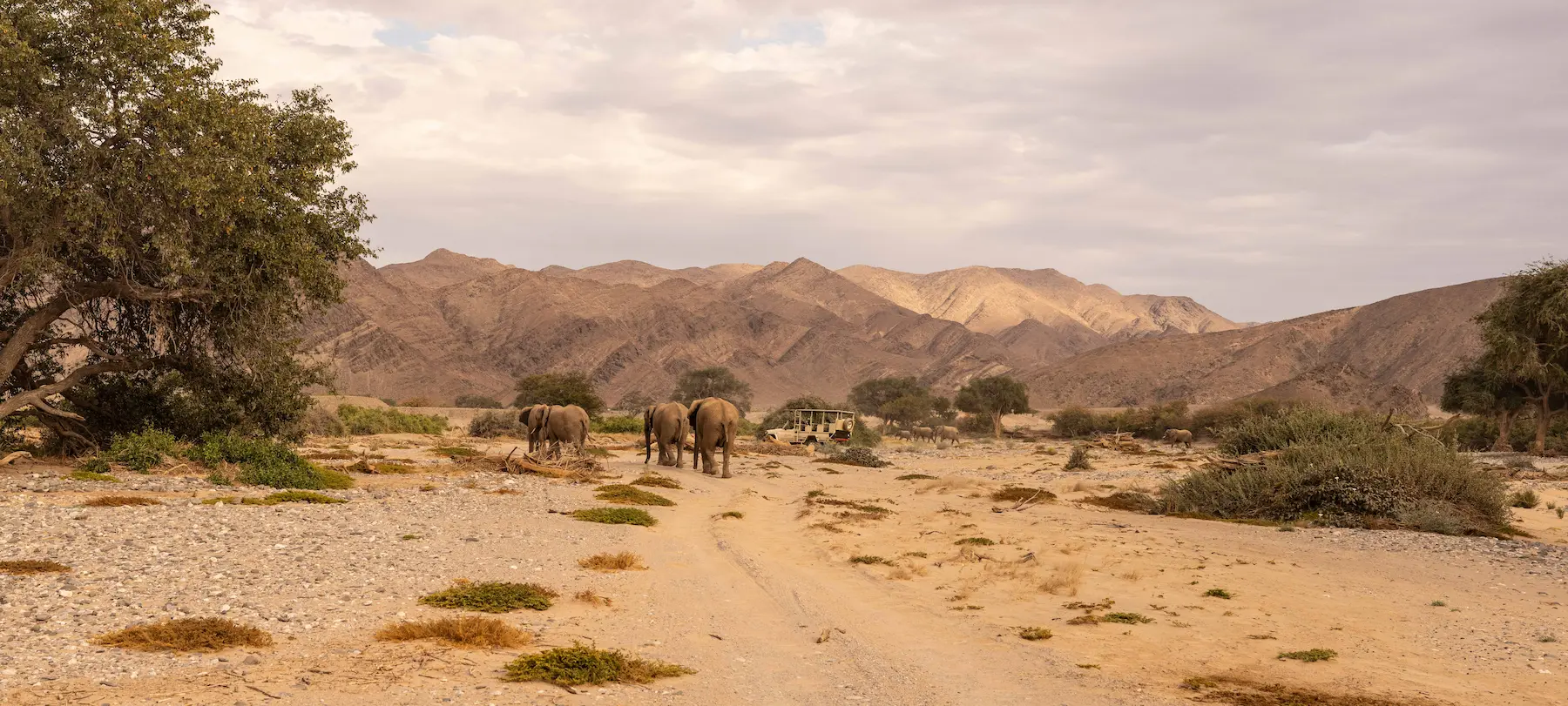
Damaraland offers extraordinary landscapes and desert-adapted wildlife.
However, summer rain can affect ephemeral riverbeds and some remote roads.
Guided activities may need to change depending on conditions.
Zambezi Region
Northeastern Namibia receives substantially more rainfall than the arid west.
Wet-season conditions can create beautiful landscapes and excellent birdwatching opportunities.
However, flooding may restrict access to some parks, lodges and activities.
Check seasonal accessibility before booking.
Is Namibia cheaper during low season?
It can be.
Some accommodation providers offer lower rates outside their busiest safari months.
However, not all lodges follow the same pricing structure.
A lodge may charge reduced rates in February but premium prices over Christmas, for example.
What determines your holiday price?
Your total cost depends on accommodation, meals, vehicle rental or transfers, activities, park fees and the number of travellers.
A lower nightly rate doesn't automatically mean the entire holiday will cost less.
Compare full package inclusions rather than focusing only on the accommodation price.
How can you get better value?
Be flexible with your dates, consider different accommodation categories and avoid unnecessary long-distance transfers.
A carefully planned seven- or ten-day itinerary can offer better value than trying to visit too many destinations.
Is low season suitable for a Namibia self-drive holiday?
Yes, on appropriate routes and with sensible preparation.
However, road conditions may be more variable during the rainy season.
Some gravel roads become slippery, while remote tracks may be affected by flooding.
Important self-drive precautions
- Check road and weather conditions before departure.
- Use a vehicle suitable for your planned route.
- Follow your rental company's road restrictions.
- Avoid driving through floodwater.
- Allow additional time for unexpected delays.
- Carry drinking water and emergency contact details.
- Avoid driving after dark.
For travellers unfamiliar with Namibia's road conditions, a guided or pre-arranged transport itinerary may be more comfortable.
Who should consider Namibia's low season?
The green season can be particularly appealing to travellers who enjoy:
- Birdwatching and seasonal wildlife behaviour
- Landscape photography
- Dramatic skies and greener scenery
- Potentially quieter safari destinations
- Flexible travel dates
- Accommodation offers where available
It may be less suitable for travellers who want the most predictable dry-season waterhole viewing or who are uncomfortable with intense heat and changing road conditions.
Our recommended low-season itinerary
For a first visit, we often recommend focusing on Namibia's established highlights rather than attempting remote routes during periods of heavy rainfall.
Days 1–2: Etosha National Park
Enjoy wildlife viewing and the park's seasonal landscapes.
Days 3–4: Swakopmund
Explore the Atlantic coast and enjoy optional marine or desert excursions.
Days 5–6: Sossusvlei
Discover the dunes and Deadvlei, planning activities for the cooler morning hours.
Day 7: Return to Windhoek
Complete your journey with a daytime transfer or drive.
This is a compact itinerary, so travel days can be long.
For a more relaxed experience, consider ten days or longer.
All routes and activities should be checked against current weather and road conditions.
Peak season vs low season: Which is better?
There isn't one answer for every traveller.
Choose peak season if:
Your priority is dry-season wildlife viewing, particularly in Etosha, and you prefer generally dry conditions.
Choose low season if:
You're interested in green landscapes, birdlife, photography and the possibility of better-value accommodation.
What about May and June?
These months can offer a useful balance.
Rainfall has generally reduced, daytime conditions are often comfortable and wildlife viewing begins improving as the landscape dries.
They can be excellent alternatives for travellers who don't need to visit during the busiest safari months.
Final thoughts: Namibia is worth exploring beyond peak season
Namibia's summer months are often overlooked by travellers who focus only on the dry-season safari.
But the green season offers a different perspective.
After good rains, familiar landscapes can change dramatically. Birdlife becomes more active, seasonal vegetation returns and the skies can be extraordinary.
The experience isn't identical to a September safari, and it shouldn't be advertised as one.
Instead, it's an opportunity to discover Namibia in a different season.
Plan your green-season holiday with Tourgy Tourz Namibia
At Tourgy Tourz Namibia, we help travellers choose itineraries that suit the season, rather than simply recommending the same route throughout the year.
Whether you're considering a self-drive holiday, a guided safari or a journey with arranged transfers, we'll help you understand the destinations, travel distances and seasonal considerations.
We'll also explore suitable accommodation options and check availability for your preferred dates.
Thinking about visiting Namibia between November and April?
Contact Tourgy Tourz Namibia and let us help you plan a journey that makes the most of the season.
Frequently asked questions
When is Namibia's low season?
The quieter safari period often falls within November to April, particularly January to March, but this varies by destination and accommodation. December holidays can be very busy.
Is Namibia worth visiting during the rainy season?
Yes. The green season offers dramatic landscapes, birdlife and different wildlife experiences, although rain and road conditions require planning.
Does it rain all day in Namibia during summer?
Not usually. Rain often arrives in localised showers or thunderstorms, but prolonged heavy rain is possible and conditions vary by region.
Is Etosha good in February?
Etosha can be rewarding for birdlife, green landscapes and seasonal wildlife behaviour. However, animals may be more dispersed than during the dry season.
Is Sossusvlei open during the rainy season?
Sossusvlei is generally visited year-round, subject to park access, road conditions and weather. Summer heat can be intense.
Is Namibia cheaper in January and February?
Some lodges offer lower seasonal rates, but savings depend on the property, dates and package inclusions.
Is it safe to self-drive Namibia in the rainy season?
Self-driving is possible on suitable routes, but flooding, slippery gravel roads and remote road conditions require additional caution.
Plan your Namibia trip
Tell us your dates and wish list, and our Namibia team will plan the rest.
WhatsApp Us Send your trip details