Is Namibia safe for tourists? It's one of the first questions many travellers ask when planning a visit to southern Africa. Namibia is known for its extraordinary landscapes, wildlife and wide-open spaces, but like any destination, it comes with risks worth understanding. This guide explains the practical precautions that can help you explore Namibia more confidently.
At a glance
- Overall: Namibia is a popular tourism destination, but normal travel precautions remain important.
- Cities: Be alert to theft, scams and vehicle break-ins, particularly in busy areas.
- Roads: Long distances, gravel surfaces and night driving require extra care.
- Wildlife: Follow park regulations and guide instructions at all times.
- Health: Check medical advice and malaria precautions for your specific itinerary.
- Remote travel: Carry water, plan fuel stops and prepare for limited mobile reception.
- Before departure: Review current official travel advice and entry requirements.
Is Namibia safe to visit in 2027?
Namibia is a popular destination for travellers interested in wildlife safaris, desert landscapes, road trips and outdoor adventures.
From the dunes of Sossusvlei to the wildlife-rich plains of Etosha National Park, the country offers extraordinary experiences.
But is Namibia safe for tourists?
The short answer is that Namibia can be an enjoyable destination for well-prepared visitors, although there are genuine safety risks to consider.
Petty theft, more serious crime, road accidents and the challenges of travelling through remote areas all deserve attention.
The most useful approach is to understand these risks before travelling and make sensible arrangements.
1. Understanding travel safety in Namibia
Different governments assess Namibia's travel risks differently.
Some advise normal safety precautions, while others recommend increased caution because of crime, health concerns and road conditions.
This doesn't mean travellers should automatically avoid Namibia. It means they should plan carefully, stay informed and avoid assuming that tourist destinations are entirely risk-free.
Before departure, check the latest travel advisory issued by your own government.
Remember that conditions can change between booking your trip and arriving in Namibia.
2. Is Windhoek safe for tourists?
Windhoek is Namibia's capital and an important arrival point for international visitors.
Many travellers spend their first or last night here before continuing to Etosha, Sossusvlei or other destinations.
As in many cities, visitors should be aware of theft, scams and more serious crime.
Practical safety tips for Windhoek
- Avoid walking alone in unfamiliar areas, especially after dark.
- Keep phones, jewellery and other valuables out of sight.
- Use reputable, pre-arranged transport.
- Be cautious when withdrawing money from ATMs.
- Keep vehicle doors locked and windows closed in traffic.
- Avoid leaving bags or valuables inside parked vehicles.
- Ask your accommodation for advice about the surrounding area.
If you arrive on a late flight, arranging your airport transfer in advance can make the journey to your accommodation simpler.
Should you stay overnight in Windhoek?
For many travellers, an overnight stay is a sensible way to begin their holiday.
It gives you time to rest after your flight, collect a rental vehicle or prepare for the next day's journey.
3. Is Swakopmund safe for tourists?
Swakopmund is one of Namibia's most popular coastal destinations.
Travellers visit for its Atlantic coastline, restaurants, desert excursions and nearby attractions around Walvis Bay.
You can enjoy the town while still taking ordinary precautions.
Safety tips for Swakopmund
- Be aware of your surroundings in public places.
- Avoid isolated areas and beaches after dark.
- Secure your belongings at your accommodation.
- Use reputable activity operators.
- Keep valuables out of sight in parked vehicles.
- Check weather and activity conditions before excursions.
For activities such as quad biking, marine cruises or Sandwich Harbour excursions, choose experienced operators and follow their safety instructions.
4. Is Etosha National Park safe?
Etosha National Park is one of Namibia's most famous safari destinations.
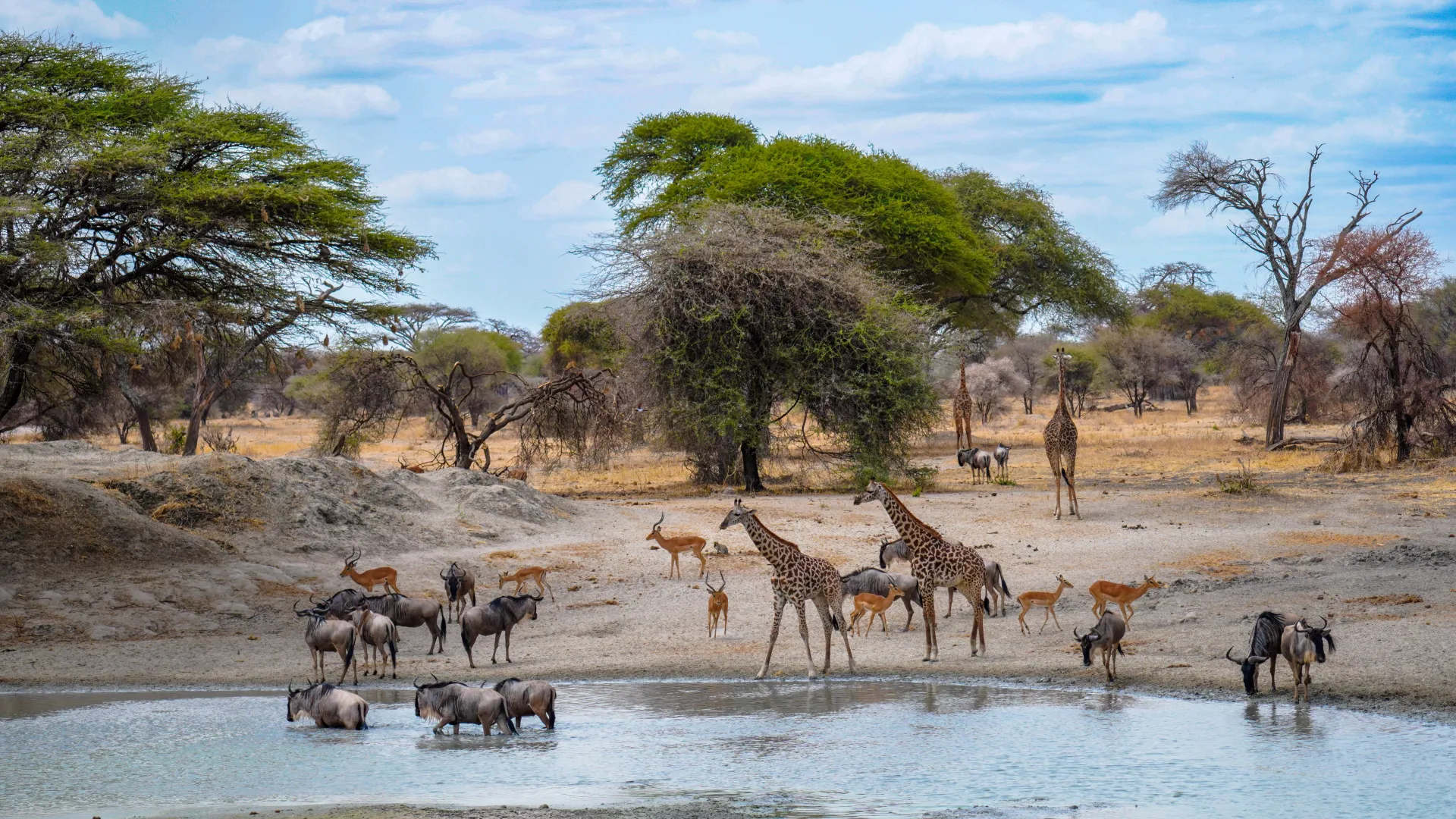
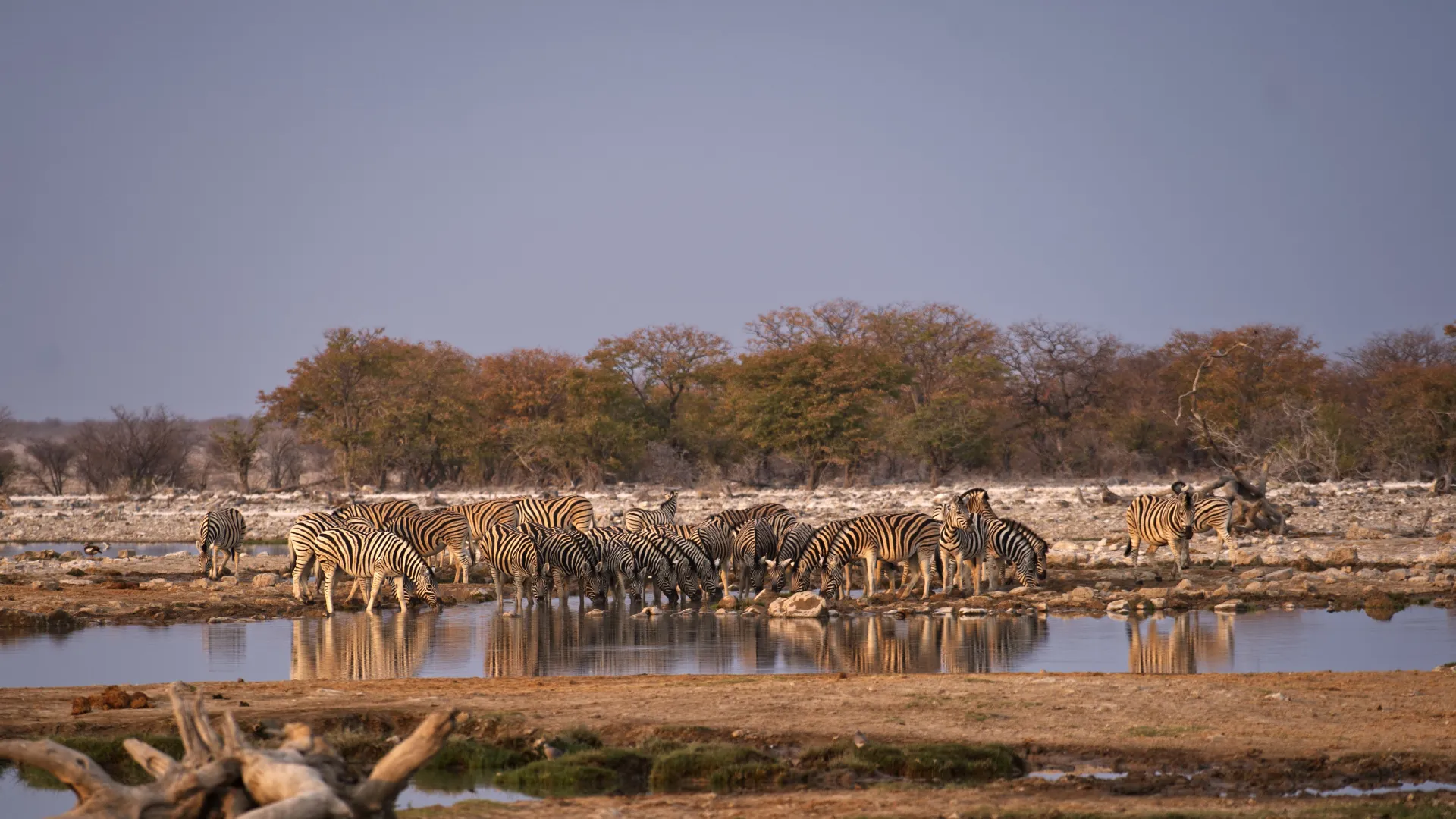
Its wildlife includes elephants, lions, giraffes, zebras, rhinos and numerous antelope species.
Wildlife viewing can be a wonderful experience, but wild animals are unpredictable.
Important wildlife safety rules
- Stay inside your vehicle except in designated areas where getting out is permitted.
- Never approach or feed wild animals.
- Keep a safe distance from elephants and other large animals.
- Follow park regulations and instructions from guides or rangers.
- Respect park opening and closing times.
- Never attempt to attract wildlife for photographs.
Even animals that appear calm can react suddenly.
Is a guided game drive safer than self-driving?
A professional guide can provide valuable knowledge about animal behaviour and park conditions.
However, self-driving visitors can also enjoy Etosha by following park rules, maintaining safe distances and exercising good judgement.
Neither option eliminates the risks associated with wildlife.
5. Is Sossusvlei safe for tourists?
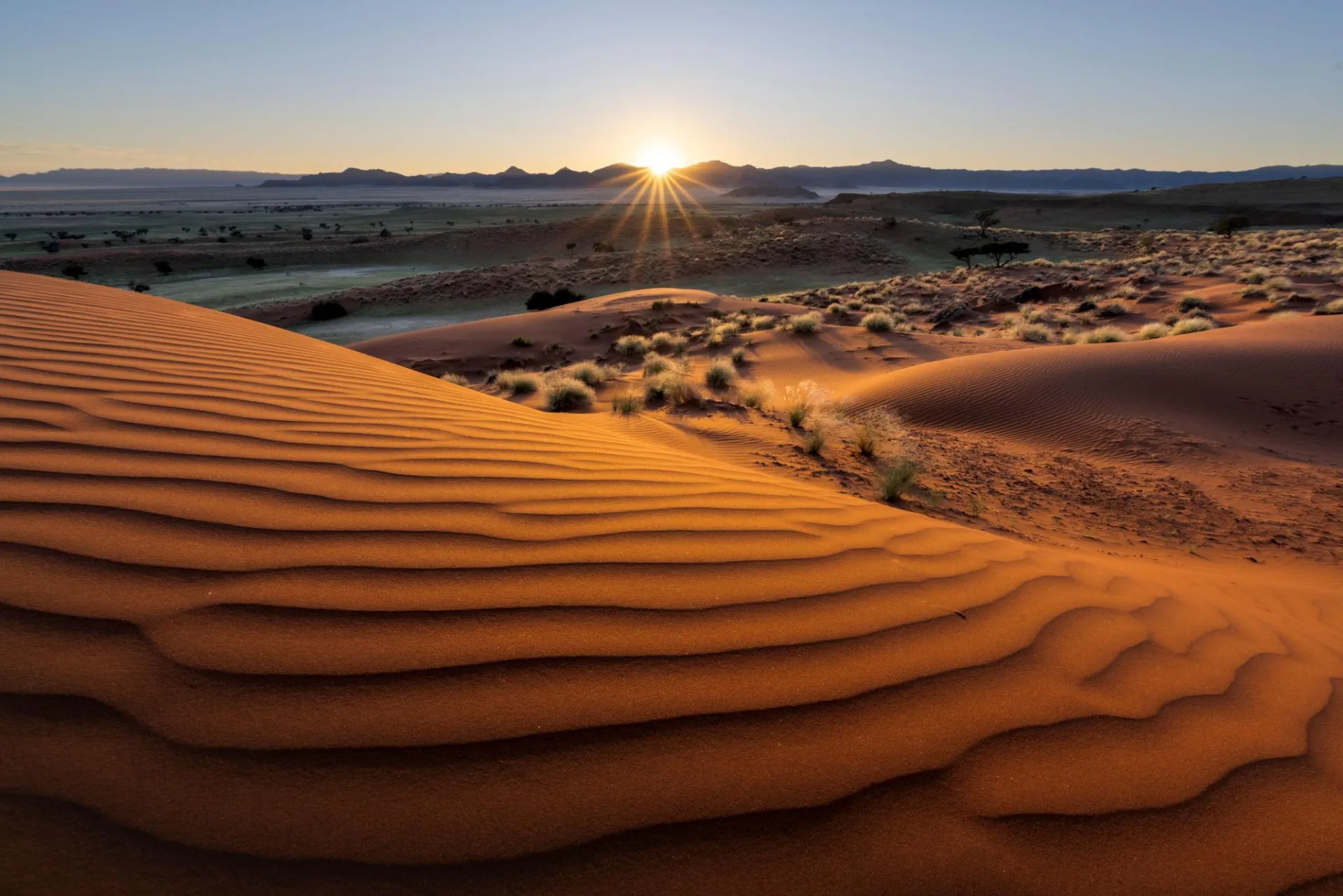
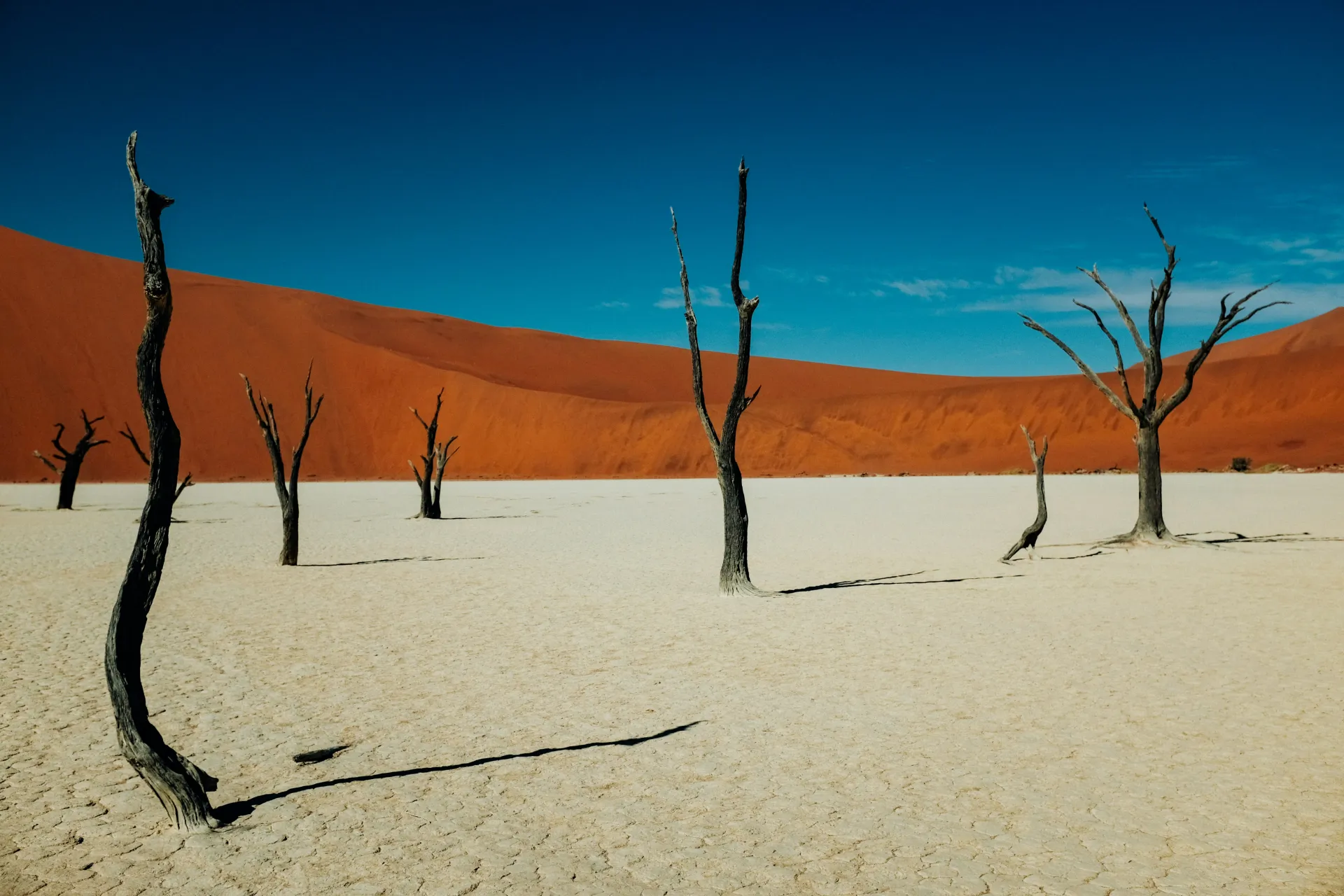
Sossusvlei is famous for its enormous red dunes and the striking landscape of Deadvlei.
The main safety concerns here are often related to heat, sun exposure, dehydration, walking conditions and vehicle access.
How to explore the dunes more safely
- Carry sufficient drinking water.
- Wear a hat and sunscreen.
- Choose suitable walking shoes.
- Avoid strenuous walking during extreme heat.
- Follow designated routes and access rules.
- Check the conditions before attempting sandy roads.
- Allow enough time to return before the relevant park gates close.
Some sandy sections require an appropriate 4x4 vehicle or transfer.
If you're uncertain about the route, use an authorised local excursion.
What about sunrise visits?
Access times depend on the park's gate arrangements and where you're staying.
If you're planning a sunrise photography excursion, confirm the details before booking rather than assuming every lodge offers the same access.
6. Is it safe to self-drive in Namibia?
Self-driving is a popular way to explore Namibia, but road safety is one of the most important subjects to consider.
Namibia has long distances between destinations, and many scenic routes use gravel roads.
Driving conditions can change with weather, road maintenance and traffic.
Gravel road safety
Gravel roads require a different driving approach from paved highways.
Loose stones, corrugations, dust, sharp bends and unexpected changes in surface can affect vehicle control.
Drive conservatively, obey speed limits and follow your rental company's instructions.
Never assume that a road is safe to drive quickly simply because it appears empty.
Avoid driving at night
Driving after dark outside urban areas is strongly discouraged.
Animals, livestock, limited lighting and unexpected road hazards can make night driving dangerous.
Plan your route so you arrive at your accommodation during daylight.
Prepare for long distances
Before leaving a town, check your fuel level and the distance to your next stop.
Carry drinking water, keep emergency contact details available and make sure your vehicle is properly equipped.
Download offline maps because mobile reception may be limited in remote areas.
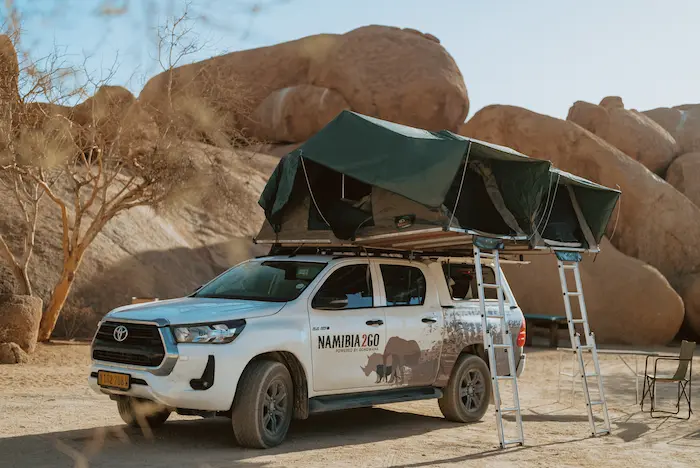
Do you need a 4x4?
Not every Namibia itinerary requires a 4x4.
However, some remote roads and sandy areas require higher-clearance or four-wheel-drive vehicles.
Choose a vehicle based on your actual route, the season and the rental company's recommendations.
7. Is Namibia safe for solo travellers?
Solo travel in Namibia is possible, but it requires careful planning.
If you're travelling alone, consider how comfortable you are navigating unfamiliar places and handling unexpected situations.
Advice for solo travellers
- Share your itinerary with someone you trust.
- Use reputable accommodation and transport providers.
- Avoid isolated areas after dark.
- Keep your phone charged and carry emergency contact information.
- Tell someone when you expect to arrive at your next destination.
- Consider guided activities when visiting remote areas.
A guided safari or organised tour may be appealing if you'd prefer to travel with others or avoid driving long distances alone.
8. Is Namibia safe for female travellers?
Women travel to Namibia independently, with friends and as part of organised tours.
However, women should be aware of risks including harassment, sexual assault and crime, particularly in some urban and nightlife settings.
Practical precautions
Choose accommodation carefully, arrange reliable transport and avoid walking alone at night.
Be cautious about accepting drinks from strangers, and keep control of your personal belongings.
If you're unfamiliar with an area, ask your accommodation or a trusted local operator for guidance.
Travelling with a guide or organised group may offer additional support, although it cannot guarantee safety.
9. Is Namibia safe for families with children?
Namibia offers memorable family experiences, including wildlife viewing, desert scenery and educational activities.
The most important consideration is choosing an itinerary suitable for your children's ages and interests.
Family travel considerations
- Avoid excessively long driving days.
- Carry sufficient drinking water and snacks.
- Protect children from strong sunshine.
- Check age restrictions for activities.
- Follow wildlife safety rules.
- Choose suitable family accommodation.
- Confirm medical access and travel insurance arrangements.
If travelling with minors, check the current entry documentation requirements, including any birth certificate or parental consent documents that may apply.
10. Health and medical precautions
Medical facilities are more accessible in major urban centres than in remote regions.
If you become seriously ill or injured while travelling far from a city, obtaining medical assistance may take time.
Travel insurance
Choose travel insurance that covers your planned activities, emergency medical treatment and medical evacuation where appropriate.
Review the policy carefully, especially if your itinerary includes adventure activities or remote destinations.
Malaria precautions
Malaria risk varies across Namibia and depends on the region and season.
Some northern and northeastern areas have malaria risk, while other parts of the country have different health considerations.
Consult a qualified travel-health professional before departure for advice tailored to your itinerary.
Heat and dehydration
Namibia's dry conditions and strong sunshine can catch visitors by surprise.
Drink water regularly, wear sun protection and avoid unnecessary exertion during extreme heat.
11. Safety tips for guided safaris and shared-shuttle tours
Travelling with an organised operator can reduce some of the practical responsibilities of navigating unfamiliar routes.
However, it is still important to choose your provider carefully.
Before booking, ask about:
- Transport arrangements and vehicle suitability
- Driver or guide experience
- Accommodation locations
- Activity inclusions
- Emergency contact procedures
- Cancellation terms
- Travel insurance requirements
A clear itinerary helps you understand where you'll be travelling and what to expect each day.
12. What should you do in an emergency?
Before travelling, save the relevant emergency contact numbers for Namibia and your accommodation or tour operator.
Keep copies of your passport, insurance details and booking confirmations in a secure place.
If you experience a theft or other crime, report it to the local police and contact your embassy or consulate if necessary.
For medical emergencies, contact local emergency services or your travel insurer's assistance provider.
Emergency numbers and services may vary, so verify the latest details before departure.
13. Ten practical safety tips for your Namibia holiday
Here are the precautions we consider particularly important:
1. Review current official travel advice before departure. 2. Arrange reliable transport, particularly for airport arrivals. 3. Avoid displaying valuables in public. 4. Keep vehicle doors locked and belongings out of sight. 5. Plan road journeys during daylight. 6. Drive cautiously on gravel roads. 7. Carry drinking water when visiting remote areas. 8. Follow wildlife and national park regulations. 9. Choose reputable accommodation and activity providers. 10. Take out appropriate travel insurance.
These precautions won't remove every risk, but they can help you prepare for a more organised trip.
14. Should safety concerns stop you from visiting Namibia?
Safety deserves serious attention when planning any international holiday.
Namibia's remarkable landscapes, wildlife and cultural experiences continue to attract visitors from around the world.
The important thing is to understand the destination rather than rely on either frightening headlines or unrealistic promises that everything will be fine.
Choose a sensible itinerary, allow enough travel time, follow local advice and make arrangements that suit your experience and comfort level.
Plan your Namibia holiday with Tourgy Tourz Namibia
Whether you're planning a self-drive adventure, a guided safari or a journey using pre-arranged transfers, thoughtful planning makes a difference.
Tourgy Tourz Namibia helps travellers organise routes, accommodation and activities around their travel dates, interests and preferred travel style.
If you'd rather not drive on roads or manage every detail independently, we can help you explore guided and shared-transport options.
Ready to plan your Namibia holiday?
Contact Tourgy Tourz Namibia with your preferred dates, number of travellers and destinations, and we'll help you put together a suitable itinerary.
*Travel safety information can change. Always review current official travel advice, health guidance and entry requirements before departure.*
Frequently asked questions
Is Namibia safe for tourists in 2027?
Namibia is a popular tourism destination, but visitors should take precautions against crime, road accidents and risks associated with remote travel. Check official advisories close to your departure date.
Is Windhoek safe to walk around?
Visitors should be cautious, especially after dark. Avoid isolated areas, keep valuables out of sight and use reputable transport.
Is it safe to drive yourself around Namibia?
Self-driving is possible, but gravel roads, long distances and night driving create risks. Plan realistic routes, drive conservatively and avoid driving after dark outside towns.
Is Etosha National Park safe for tourists?
Etosha can be visited by self-drive or guided safari, but wild animals are unpredictable. Follow park regulations and never approach wildlife.
Is Namibia safe for solo female travellers?
Solo female travel is possible, but additional precautions are important. Choose reputable transport and accommodation, avoid isolated areas after dark and consider guided travel where appropriate.
Do I need travel insurance for Namibia?
Travel insurance is strongly recommended, particularly for emergency medical care, evacuation and unexpected disruptions.
Is there malaria in Namibia?
Malaria risk exists in some regions, especially parts of northern and northeastern Namibia. Seek medical advice based on your destinations and travel season.
Plan your Namibia trip
Tell us your dates and wish list, and our Namibia team will plan the rest.
WhatsApp Us Send your trip details